Today is September 1 — and the beginning of a new stage in the indoctrination and militarization of Russian schoolchildren. Around 18 million children will return to classrooms this academic year. We looked at what awaits them and how Russian education will change in the year ahead.
Basic military training becomes a separate school course
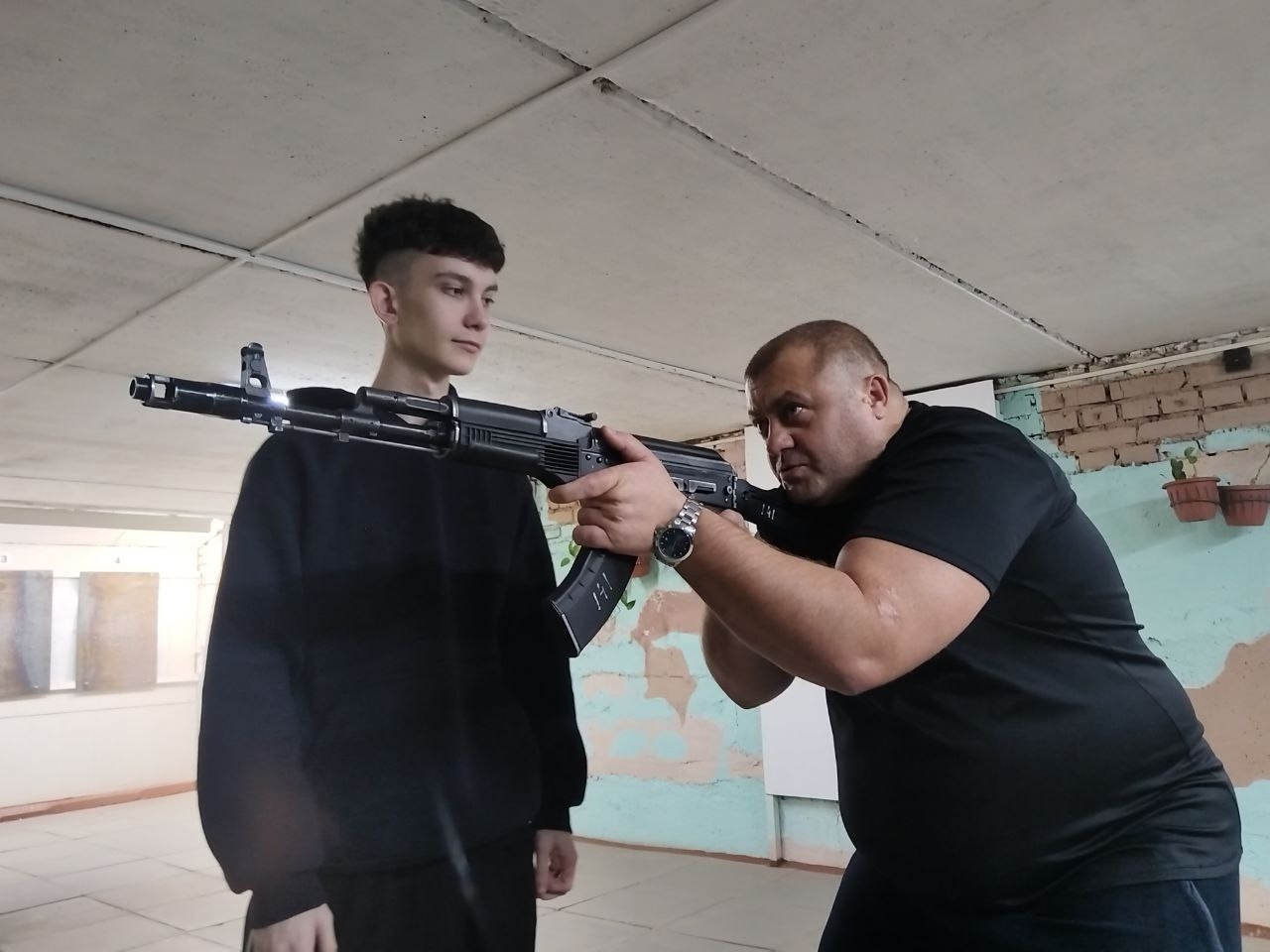
This is perhaps the most significant change of the new academic year in terms of the militarization of education. On July 17, 2026, Russia’s Ministry of Education published a draft order amending the curriculum for “Fundamentals of Security and Defense of the Motherland” (OBZR).
Starting September 1, 2026, basic military training will become a separate mandatory course and will account for half of the OBZR curriculum. Last academic year, this component accounted for around 20% of class time. The changes will affect students in grades 8 and 10.
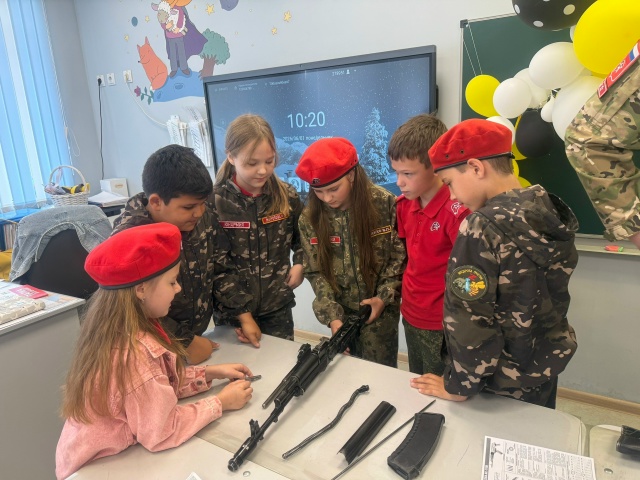
“Fundamentals of Security and Defense of the Motherland” will now consist of two mandatory 34-hour courses: “Basic Military Training” and “Life Safety.” During basic military training, students will study drill, small arms, hand grenades, drone operation, weapons of mass destruction, and tactical medicine.
War is penetrating ever deeper into regular school subjects
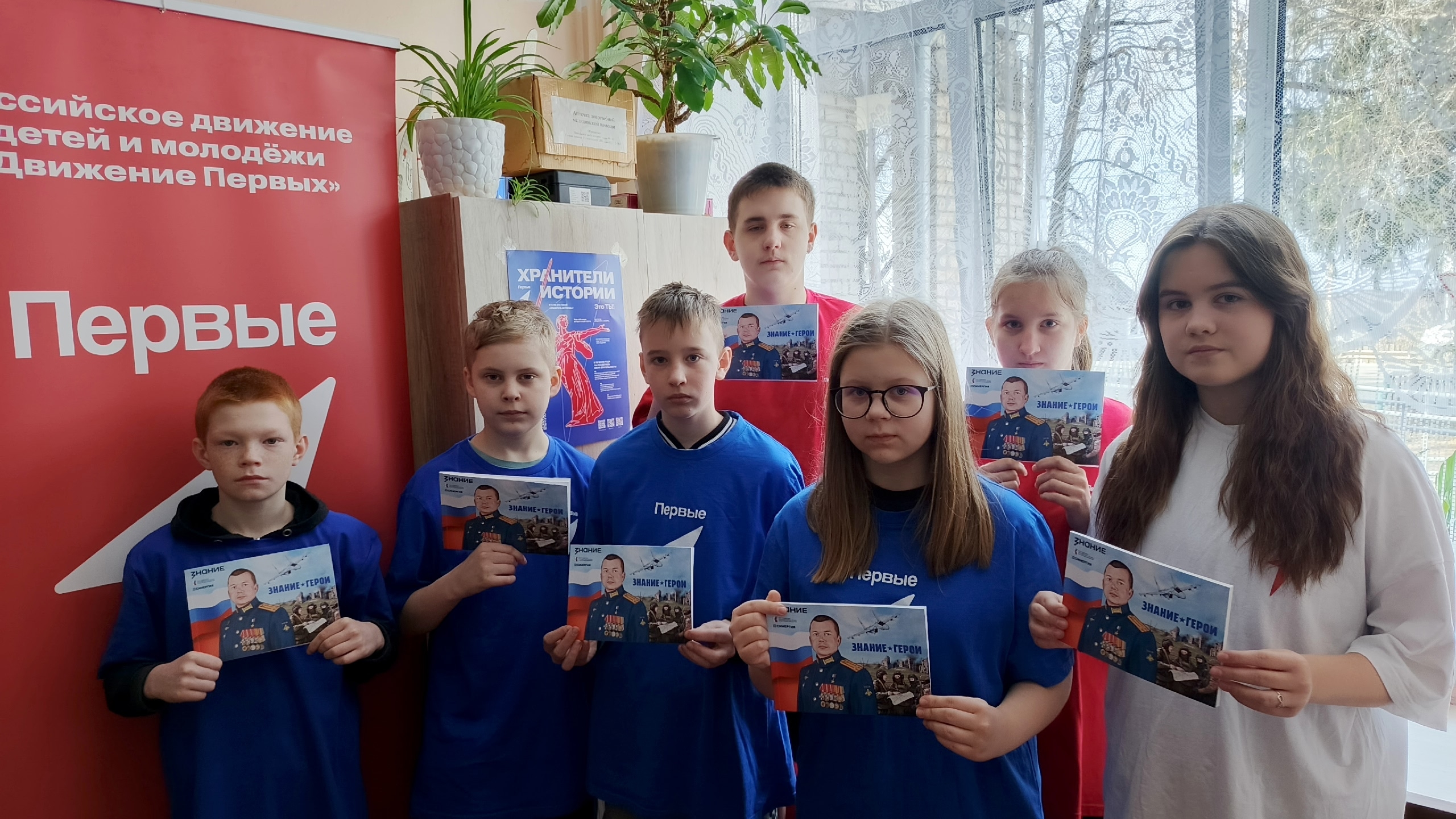
Information about “SMO heroes” and the “heroic deeds of Donbas” has been included in the new standardized state Russian-language textbooks for grades 10–11. Such material is also expected to be added to textbooks for grades 5–9.
The “SMO” has also become firmly embedded in literature classes. On July 21, the Ministry of Education published a list of works included in the federal curricula for primary, basic, and secondary general education. A separate list features “patriotic works created by contemporary writers.” Under the heading “Za Nashikh” (“For Our People,” with the Latin letter Z), students are recommended books including "Shadows of Donbas: Small Stories of a Big War. Unsent Letters", "Heroes of the SMO: Symbols of Russian Courage", "Donbas Is the Heart of Russia", and the collection of poems about the SMO "PoeZiya of the Russian Winter".
War propaganda is therefore becoming less confined to history classes, OBZR, and "Conversations About Important Things", and is gradually being incorporated into other school subjects.
Ideological indoctrination is intensifying alongside military indoctrination
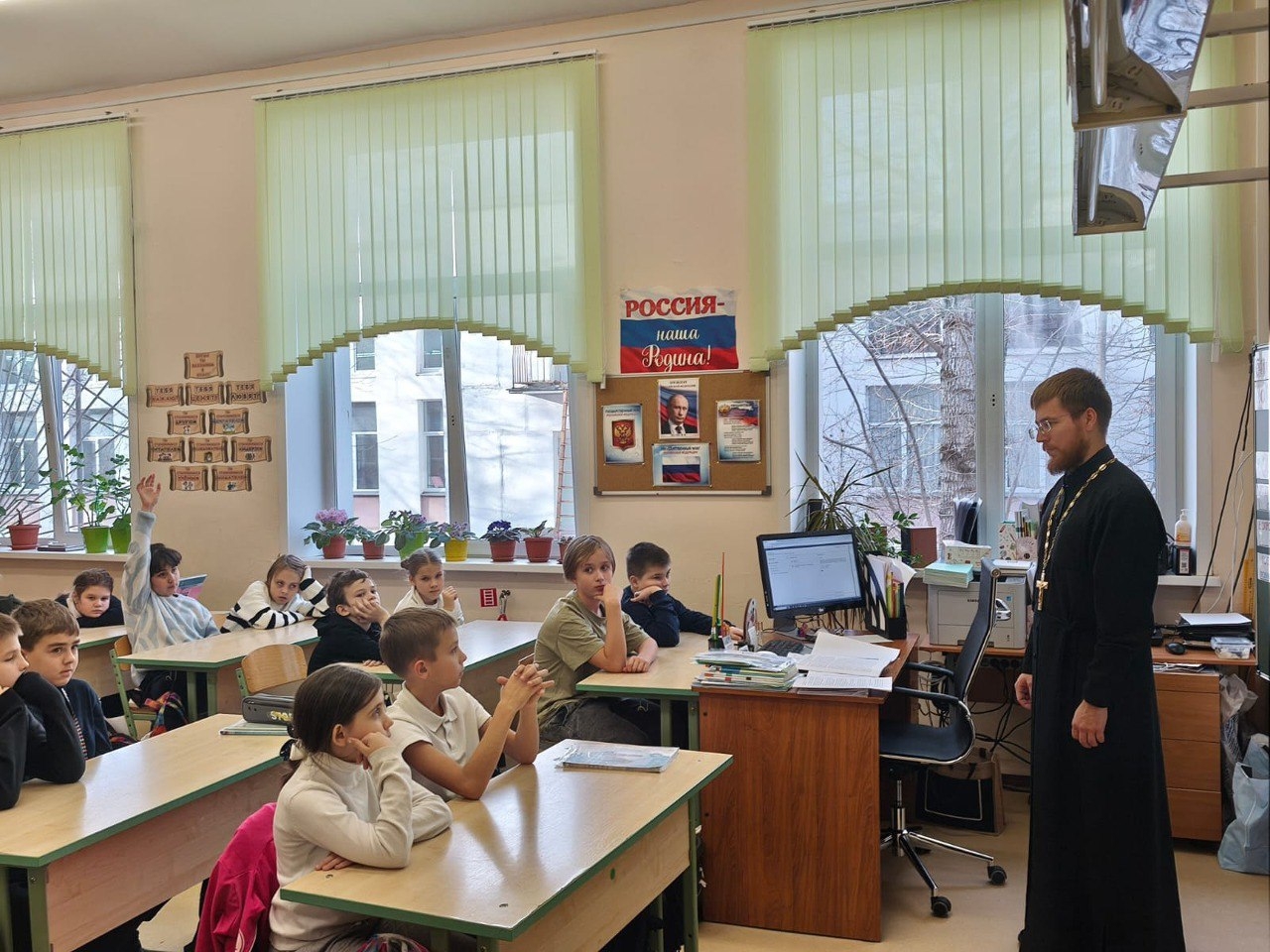
A new mandatory subject will appear in Russian schools this academic year: “Spiritual and Moral Culture of Russia” (DNKR). Its stated purpose is to shape children’s worldview around “traditional Russian spiritual and moral values” through the study of the lives of prominent Russian figures and national heroes.
Fifth graders will begin studying DNKR in the second half of the academic year, and from September 2027 the subject will also be introduced in grades 6 and 7. Lesson topics include: “Heroism in War: Self-Sacrifice for the Salvation of Others,” “The Moral Code of the Righteous Warrior,” “Orthodoxy as the Spiritual Foundation of Russian Civilization,” “Collectivism: The Priority of the Common Good over the Individual,” and “Heroic Deeds as the Meaning of Life.”
Less social studies, more history
Starting this academic year, social science will be taught only in the upper grades — grades 9 through 11. Previously, students began studying the subject in grade 6. The classroom hours freed up in middle school have been reassigned to history.
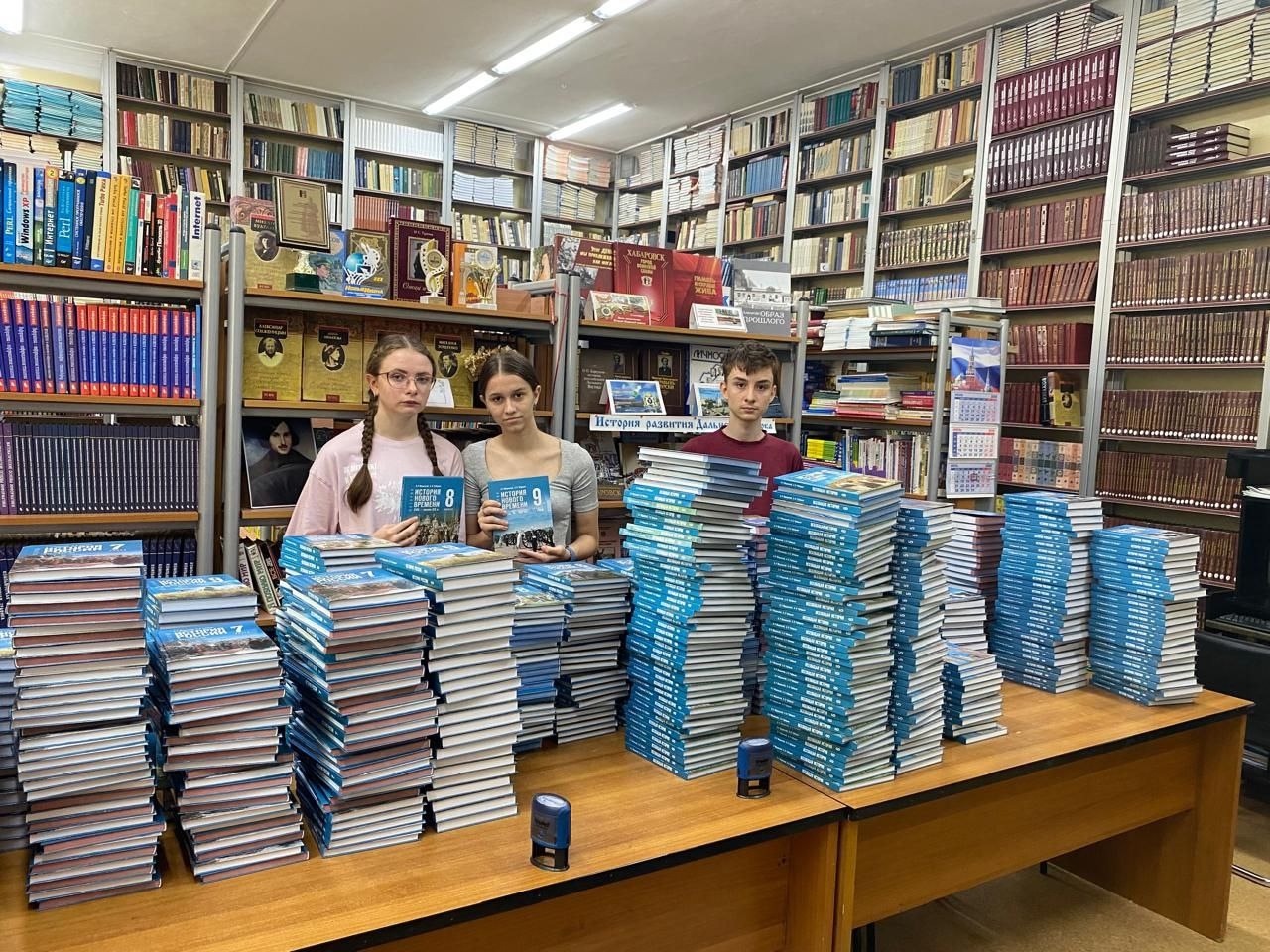
At the same time, schools are switching to standardized state social science textbooks. Students in grades 9 and 10 will receive them this year, followed by 11th graders in September 2027. The series is headed by Dmitry Medvedev, deputy chairman of Russia’s Security Council, as editor-in-chief.
Speaking of standardized textbooks, from September 1 all students in grades 5–11 will complete the transition to a unified series of history textbooks developed under the direction of Vladimir Medinsky. And this is only the beginning: over the next five years, the Ministry of Education plans to create standardized textbooks for every school subject — from Russian and physics to physical education and art.
Another troubling trend is the reduction in foreign-language classes
On September 1, an order gradually reducing foreign-language instruction in grades 5–7 comes into force. In the 2026/27 academic year, fifth graders will go from three foreign-language lessons per week to two; from 2027/28, the changes will also apply to grades 6 and 7. In grades 8 and 9, foreign languages will continue to be taught three hours a week. As a result, the total amount of foreign-language instruction in grades 5–9 will fall from 510 to 408 hours — a reduction of around 20%.
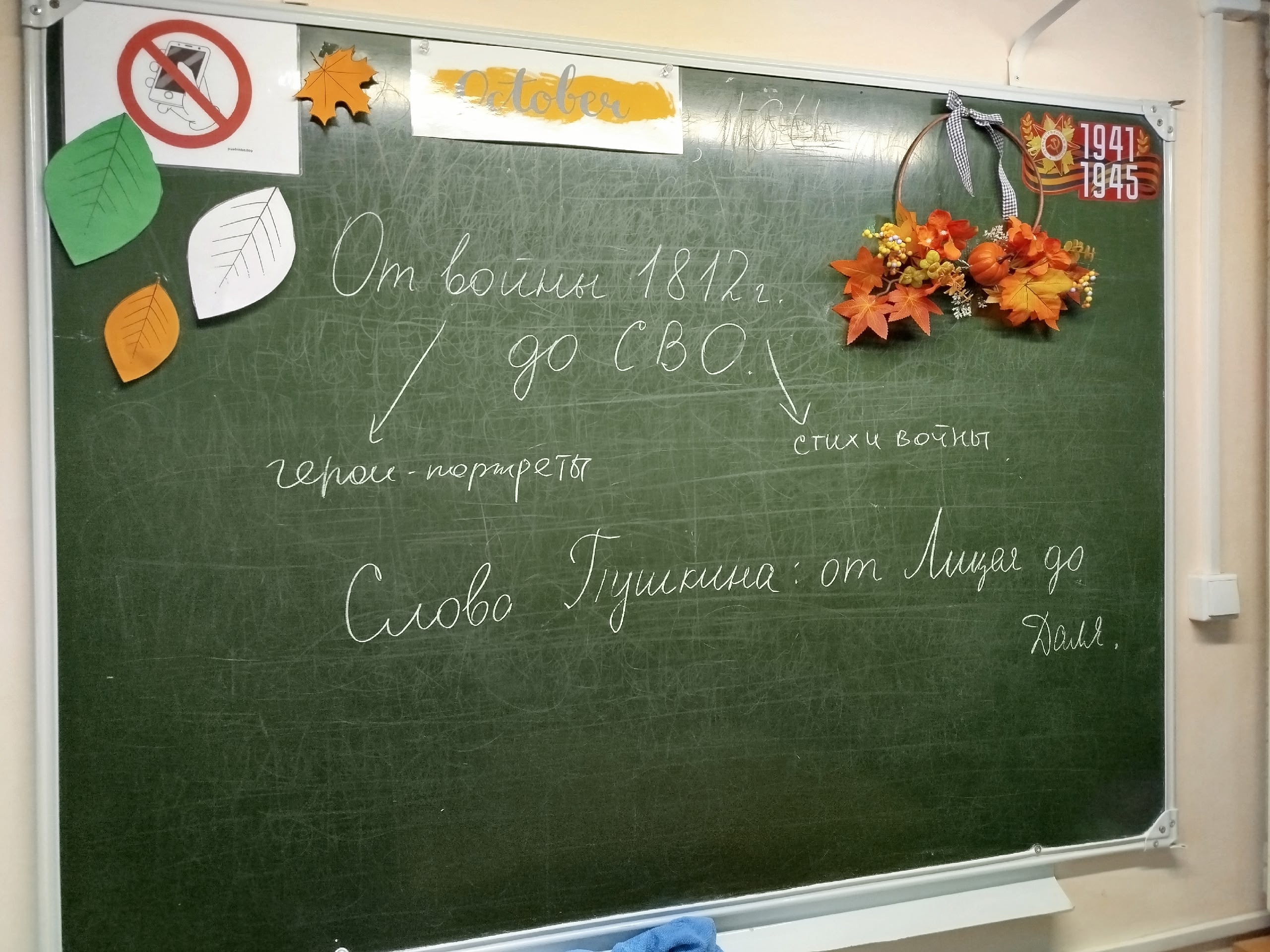
At the same time, beginning September 1, 2026, Russian schools will have the option of offering Arabic as an elective second foreign language. It can be introduced at the request of students and parents, provided the school has the necessary resources. Above all, schools will need teachers — who are already in short supply even for core subjects.
The state is increasingly intervening in students’ future education and career choices
Starting September 1, the Russia — My Horizons course for students in grades 6–11 will include a mandatory regional component. At least eight lessons will be devoted to the economy of a particular region, its leading enterprises, in-demand professions, and employment opportunities. The course reaches more than 8.5 million schoolchildren.
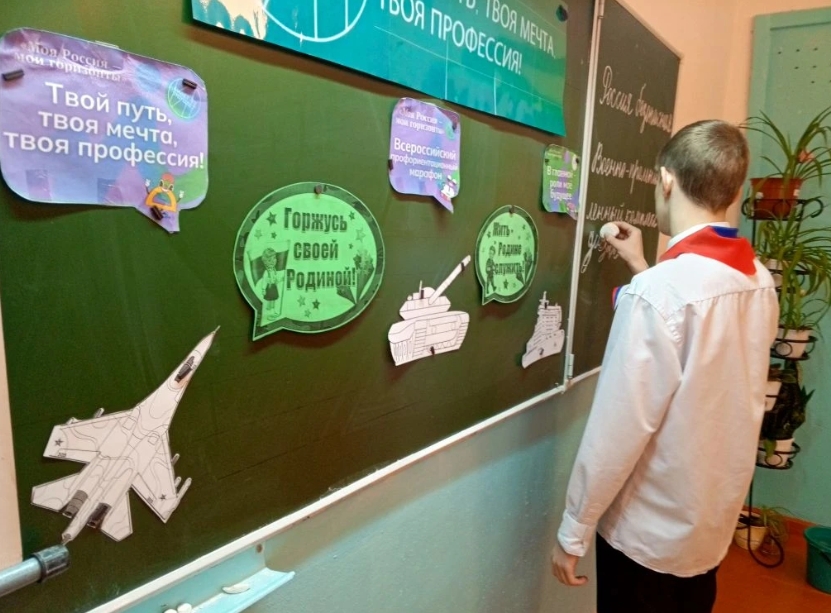
Education Minister Sergei Kravtsov has explicitly explained the change as a way to help regions train “motivated personnel based on the needs of the economy.”
At the same time, students leaving ninth grade are effectively being pushed into vocational colleges, depriving them of a chance at higher education. Schools are limiting enrollment in upper secondary grades and introducing selective admission based on academic profiles, while teenagers are increasingly being steered toward vocational colleges and blue-collar occupations. In 2026, Russian vocational colleges and technical schools received a record 3.2 million applications — around 500,000 more than during the same period last year. This is an all-time high.
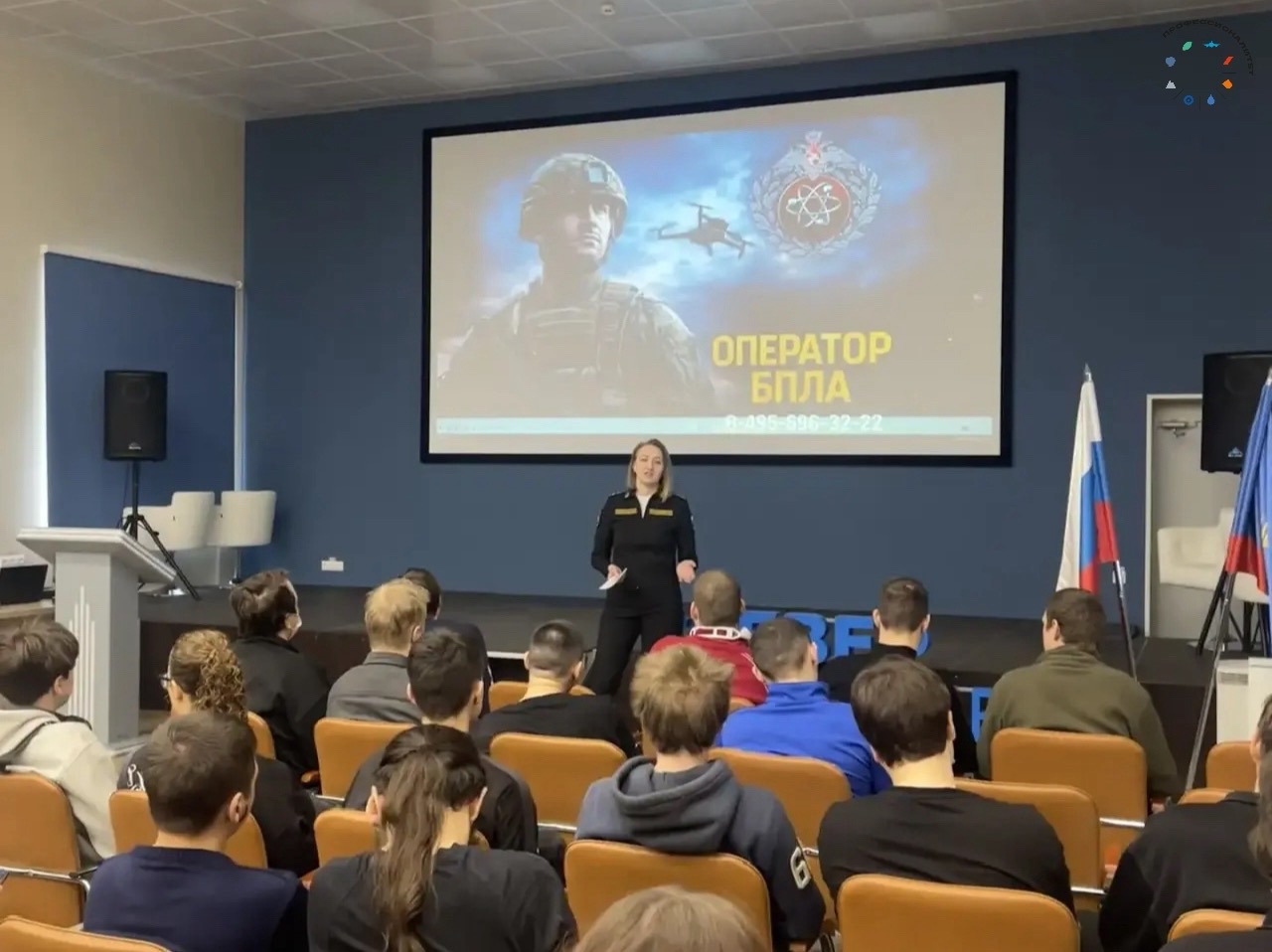
This trend is also confirmed by our research for the BBC Russian Service. An analysis of Russian schools’ VK posts showed that since the 2023/24 academic year, schools have mentioned vocational colleges more often than universities. In the incomplete 2025/26 academic year, the gap exceeded 66,000 posts.
A new tool for controlling schoolchildren: behavior ratings
Starting September 1, behavior ratings for students in grades 2–8 will be introduced in 10 schools in each region. By September 2027, the system is expected to be rolled out to every school in the country.
The main assessment model will use a three-tier scale. Students’ behavior will be rated as “exemplary,” “acceptable,” or “unacceptable.”
Children will be assessed according to five criteria:
✅ Discipline — compliance with school rules and internal regulations.
✅ Social interaction — the ability to work in a team, avoid conflict, and demonstrate a “respectful and kind attitude” toward both peers and adults.
✅ Personal qualities — responsibility, care for school property, and participation in “socially useful work.”
✅ Academic engagement — being prepared for lessons, completing homework, and engaging in constructive feedback with teachers and classmates.
✅ Social participation — active involvement in school and extracurricular civic-patriotic projects, including Conversations About Important Things, Russia — My Horizons, and projects run by the Movement of the First.
The final criterion is particularly revealing. Participation in civic-patriotic projects effectively becomes one of the indicators of “good behavior.” This means that a child’s refusal to participate in such activities could affect their behavior ratings.
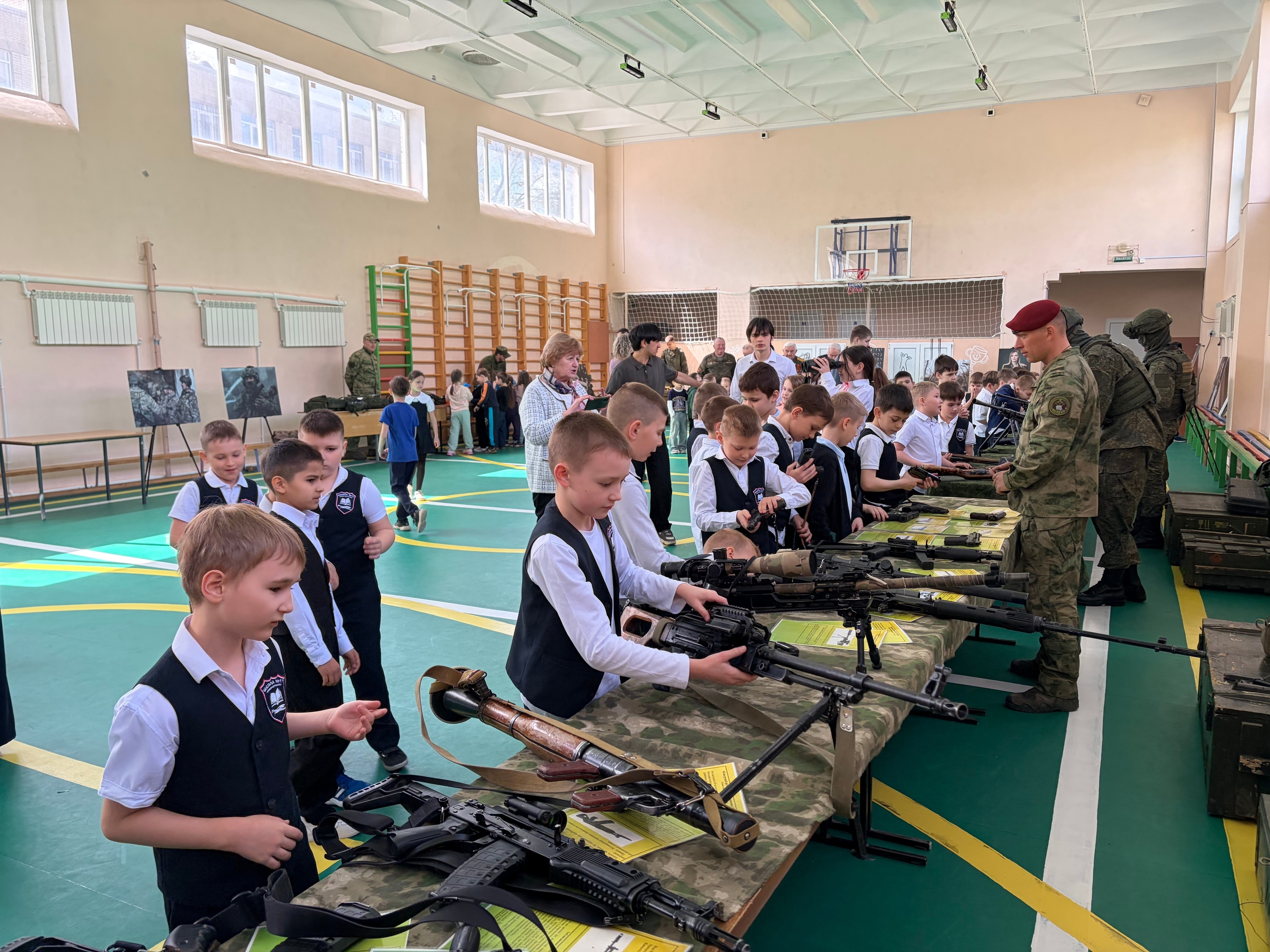
In effect, schools have been given an additional legal tool for enforcing conformity: they can now assess not only a child’s knowledge, but also how closely their behavior matches the school’s idea of a “proper” student.
In addition, the Ministry of Education has formally incorporated the existing ban on using mobile phones during lessons into the regulations governing the organization of school education. The ban itself has been established under federal law since 2023.