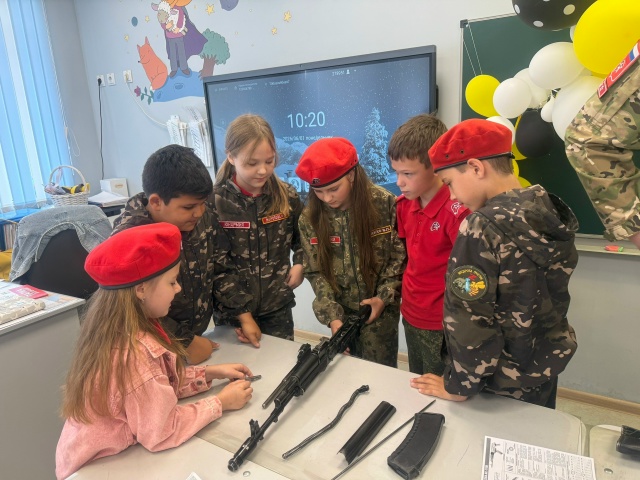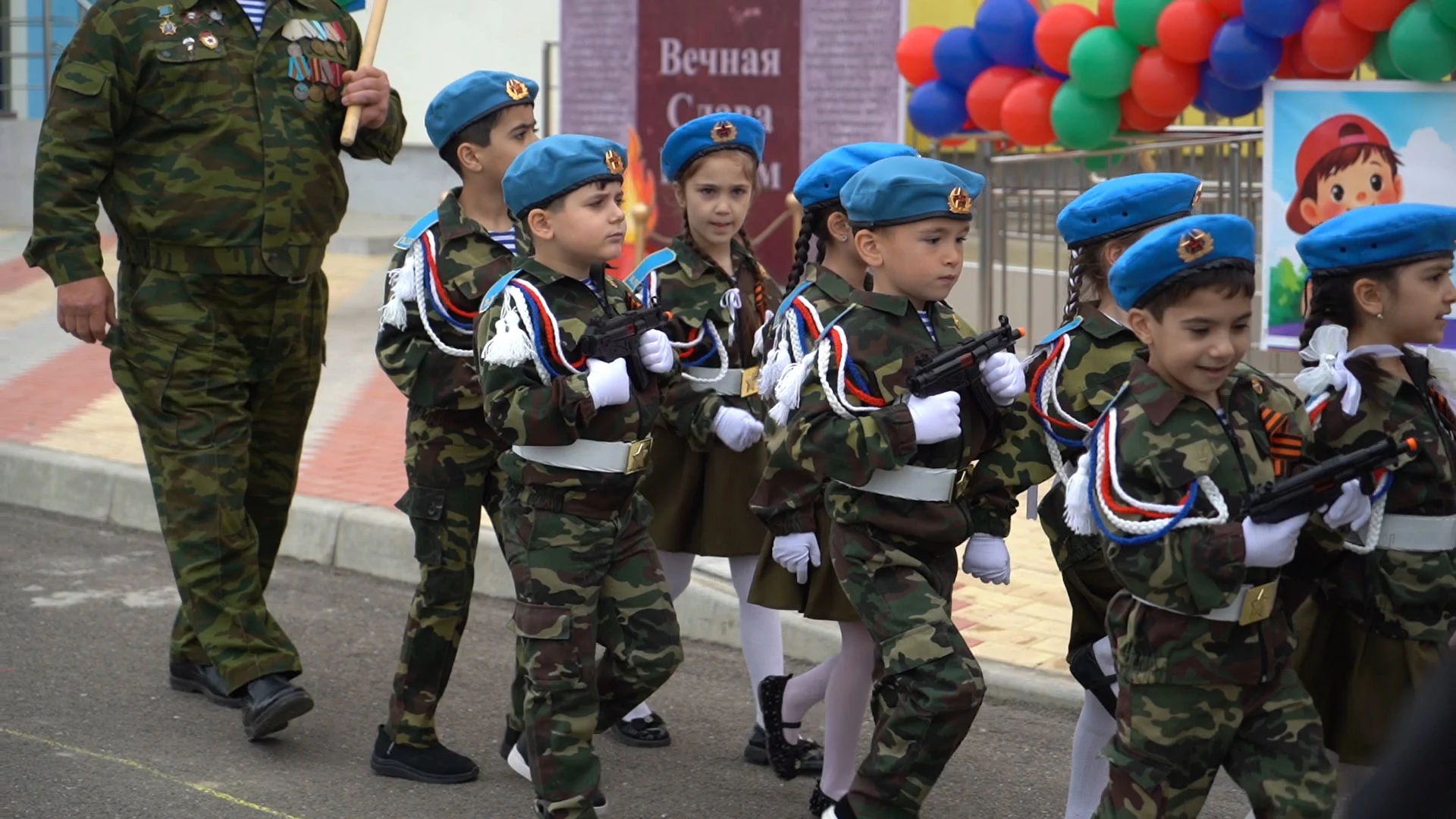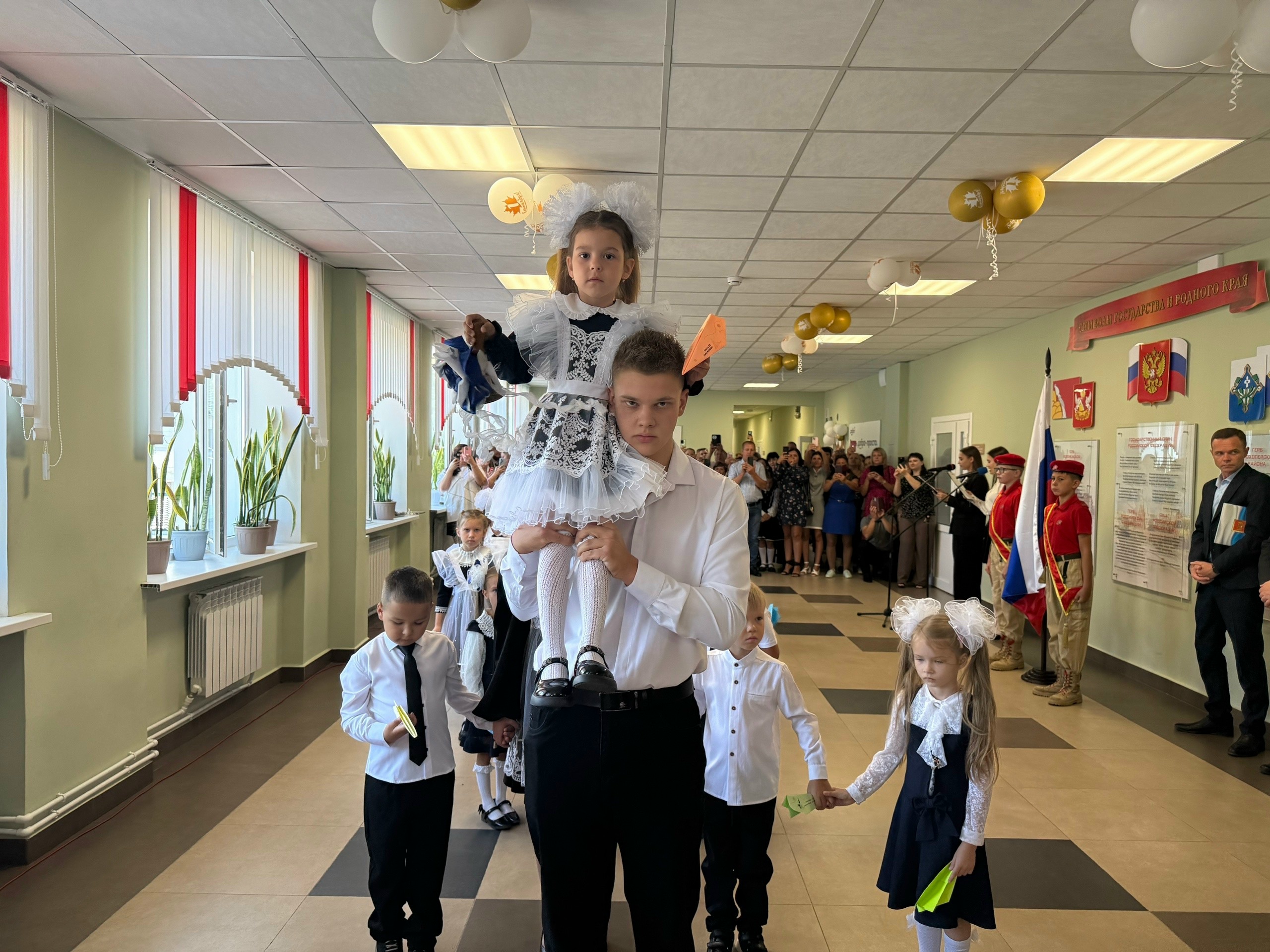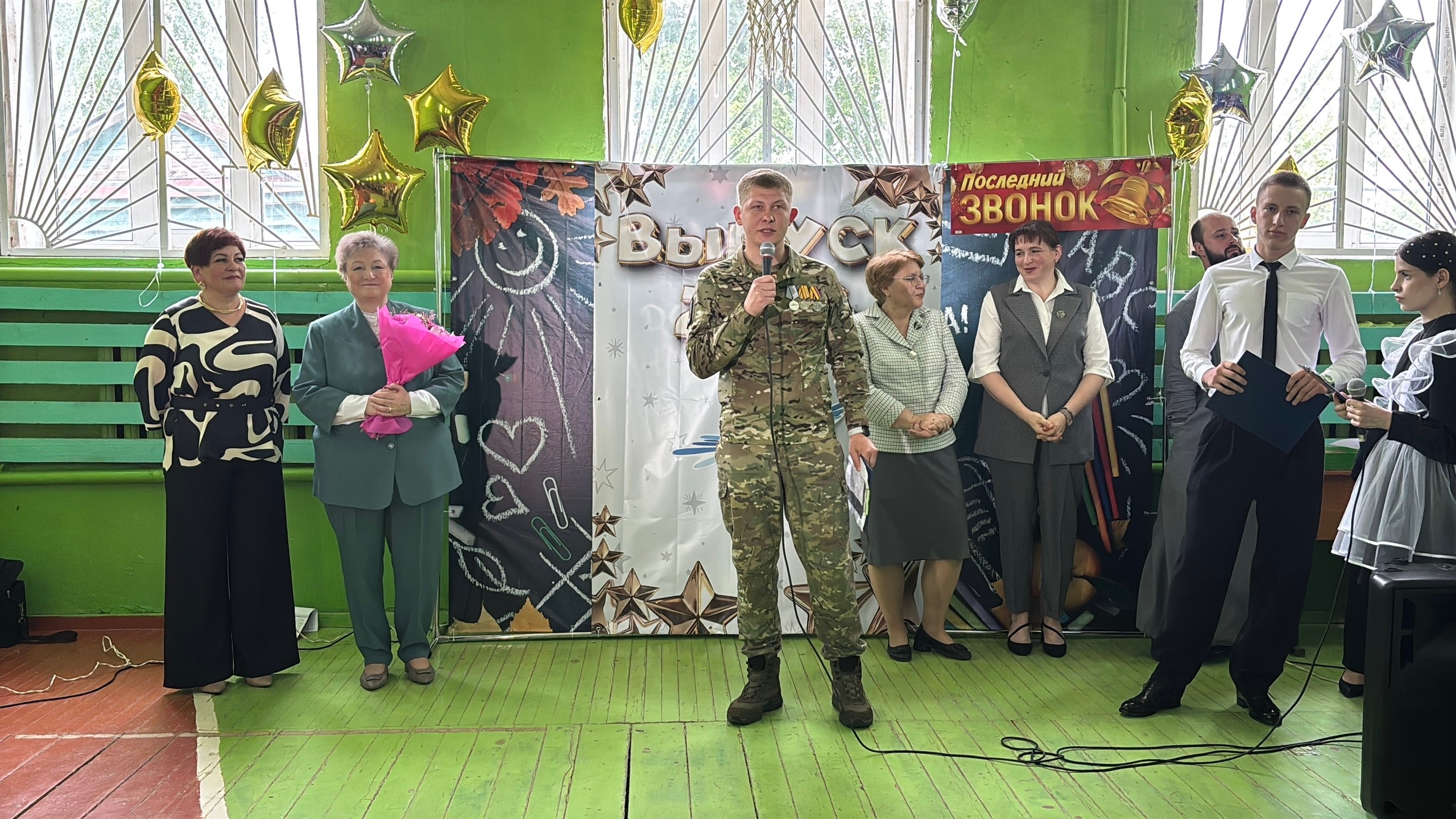
School celebrations in Russia have long turned into platforms for militaristic, religious, and political propaganda. This year’s “Last Bell” ceremonies were no exception. The participation of military personnel, clergy, and United Russia politicians has effectively become a mandatory part of school assemblies.
🪖 One of the main “guests” at the celebrations were participants in the war against Ukraine. In schools, they delivered farewell speeches, awarded students medals reading “My Dad Is a Hero,” and took part in events called “Autograph from an SMO Participant.” In Krasnodar region, after the ceremony, an “SMO veteran” from the Night Wolves biker group held a separate “lesson of courage” for ninth graders about “duty and defending the Motherland.”
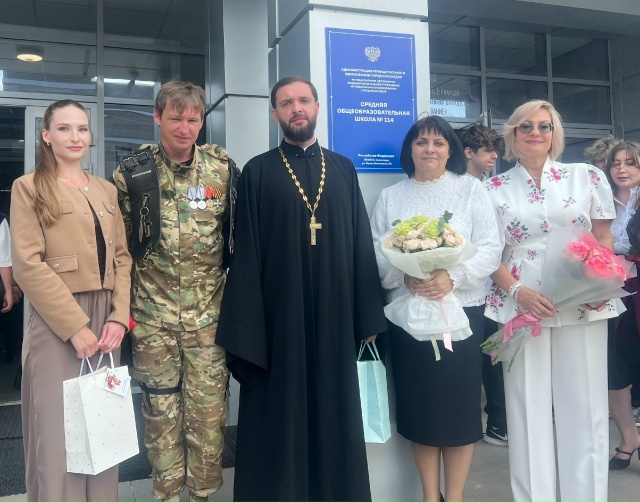
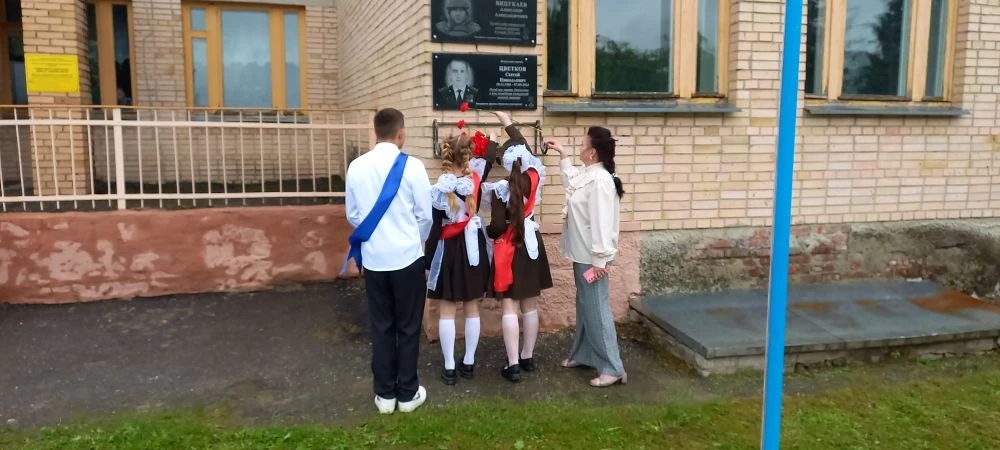
In many schools, the “Last Bell” was accompanied by memorial rituals. Graduates laid flowers at memorials, commemorative plaques, and monuments dedicated to killed SMO participants. In some schools, the symbolic “last bell” was rung not by “ordinary first graders,” but by children and grandchildren of soldiers killed in the war.
The war was also reflected in student award ceremonies. Pupils received certificates of appreciation for “supporting fighters in the SMO zone” and were praised for helping the families of soldiers.
“Together with adults, the children were chopping firewood almost every weekend to provide solid fuel for the relatives and loved ones of our heroes,”said the head of the Partizansky municipal district.
In the Republic of Tuva, the family of a killed “SMO participant” presented students with envelopes of cash as a gesture of “hope for the future” and “respect for children’s labor.”
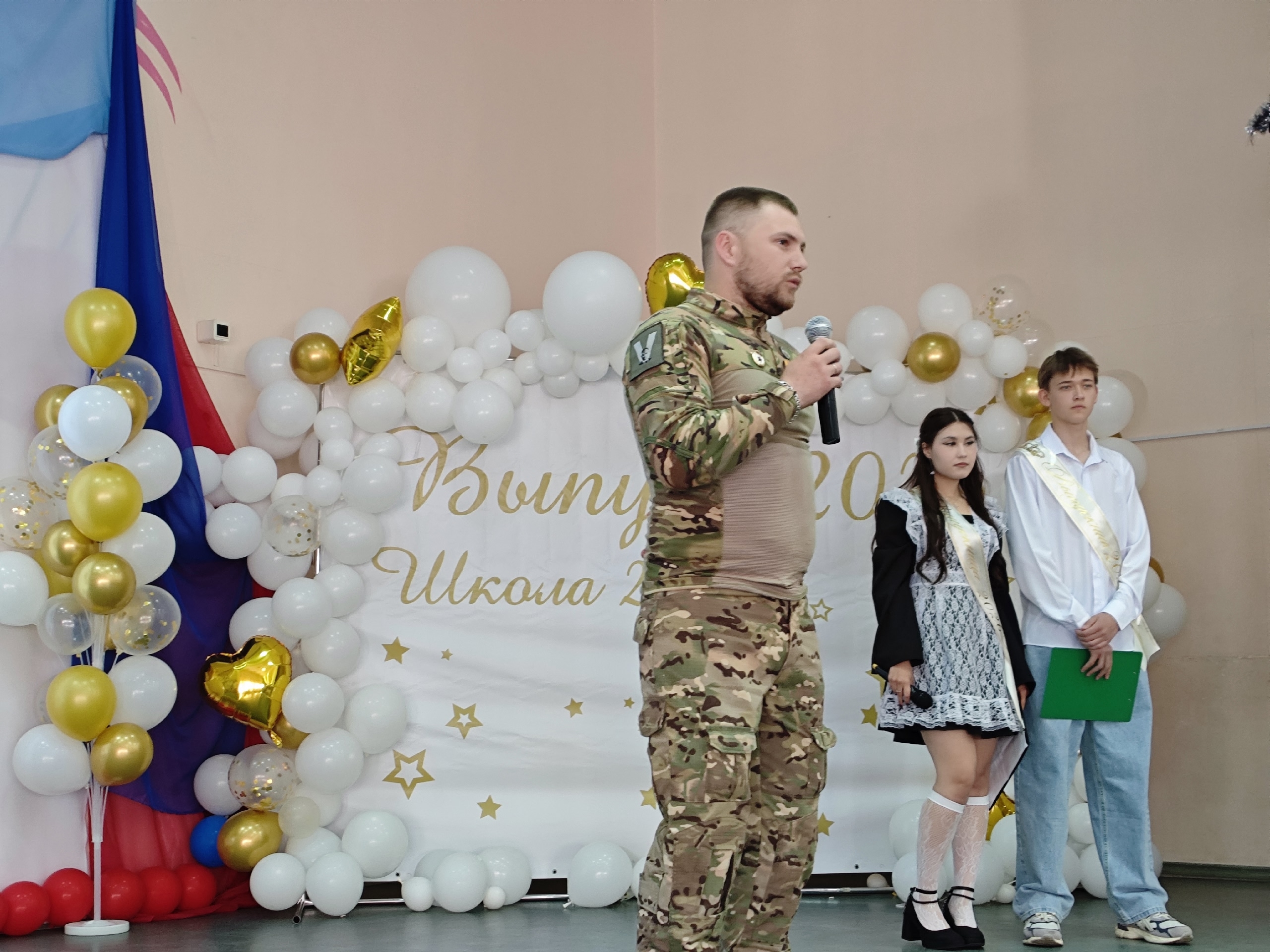
In Rostov region, parents and teachers joined the campaign “Help for SMO Fighters Instead of Bouquets,” giving up flowers in order to buy equipment for the “Storm” assault unit. The ceremony itself was held in a militarized style:
“The school was transformed into a secret special-agent training base, and graduation day became the final stage of their training.”
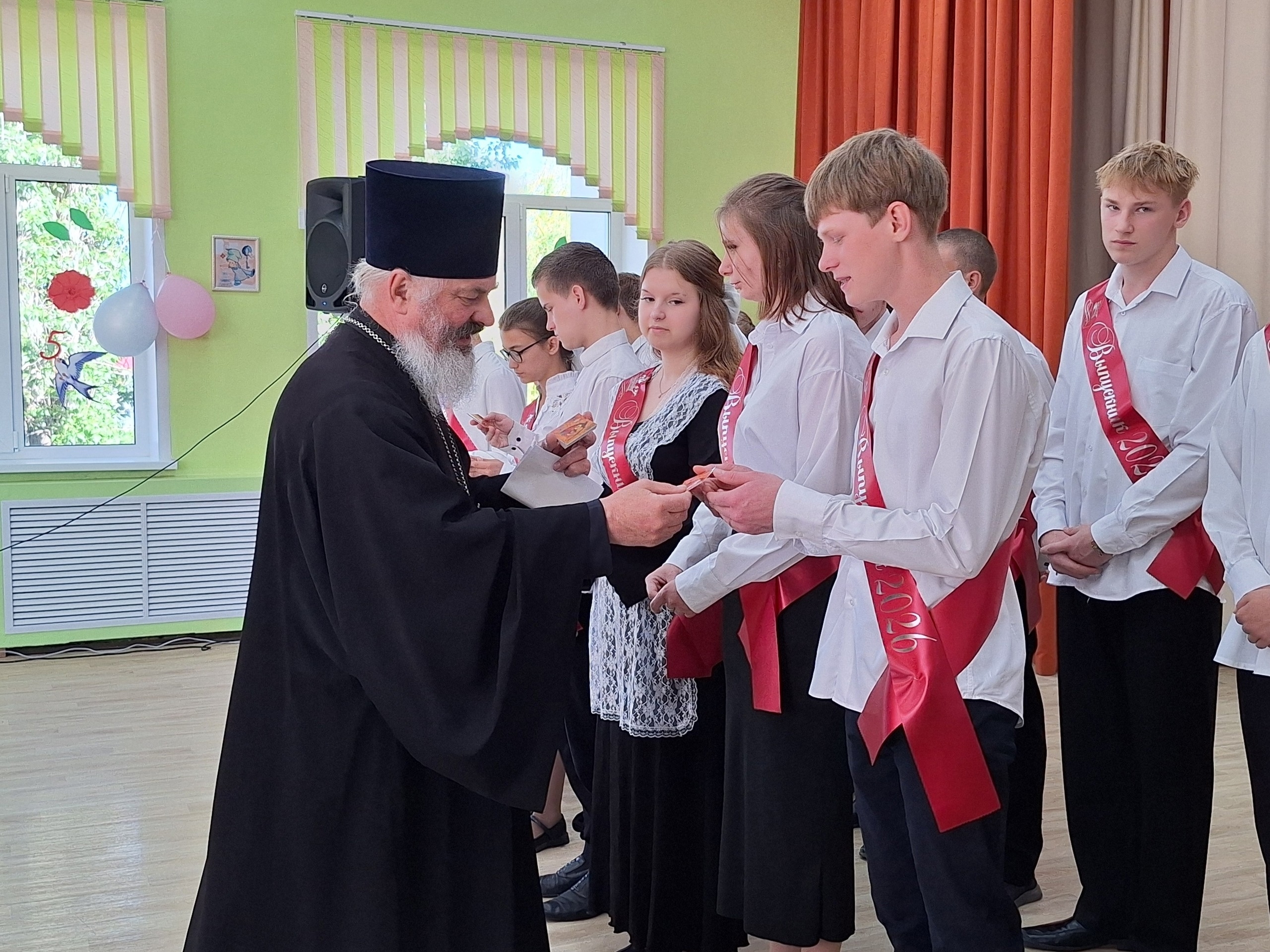
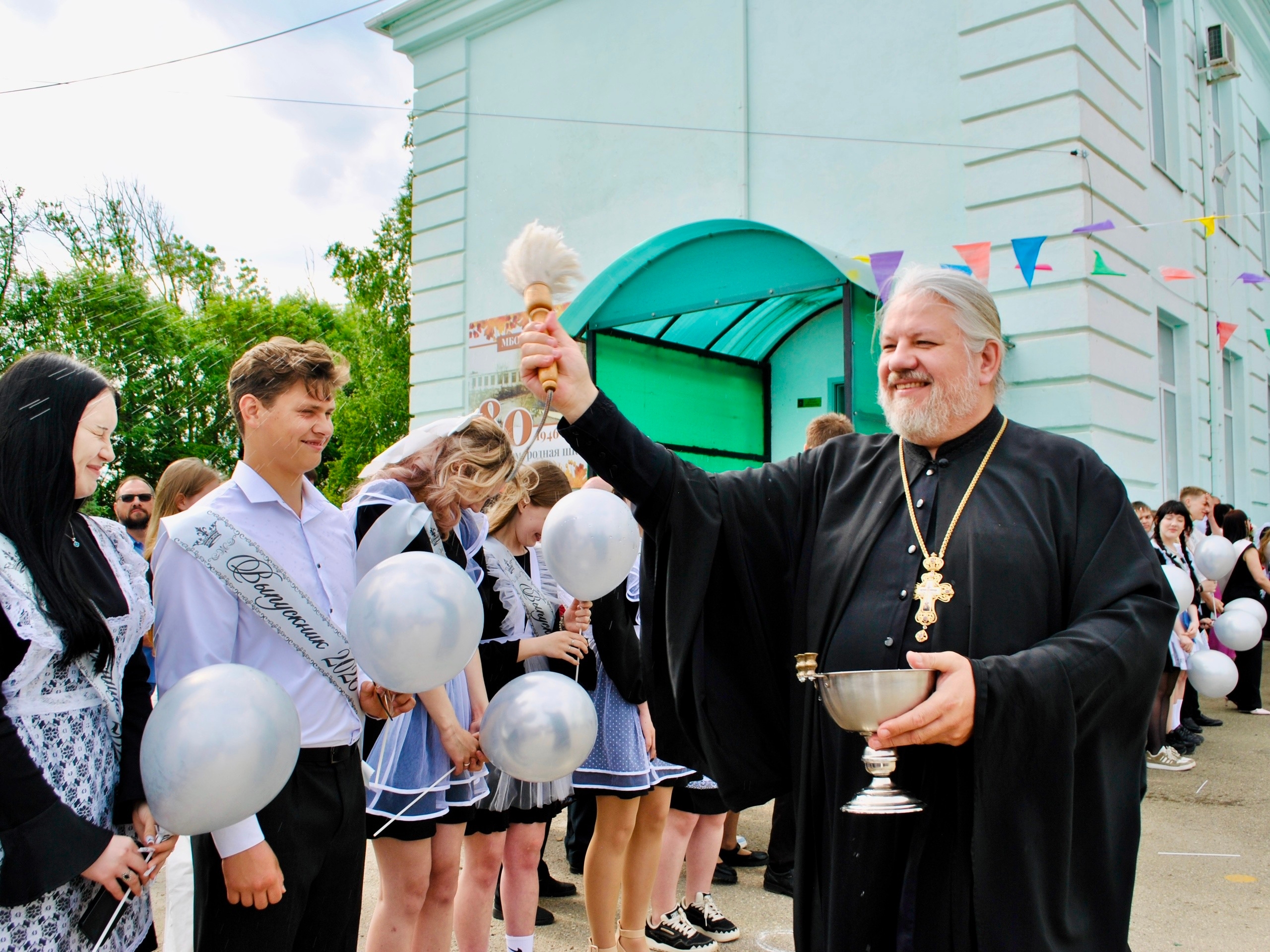
⛪️ Representatives of the Russian Orthodox Church also became an inseparable part of the ceremonies. Priests addressed students with “pastoral guidance,” speaking about “patriotism,” “civic responsibility,” “service to the Motherland,” and “moral purity.”
In the Altai Republic, the rector of the Holy Spirit Church in Maima wished graduates success in their exams and praised them for producing “more than 700 anti-drone protection items” in the church workshops.
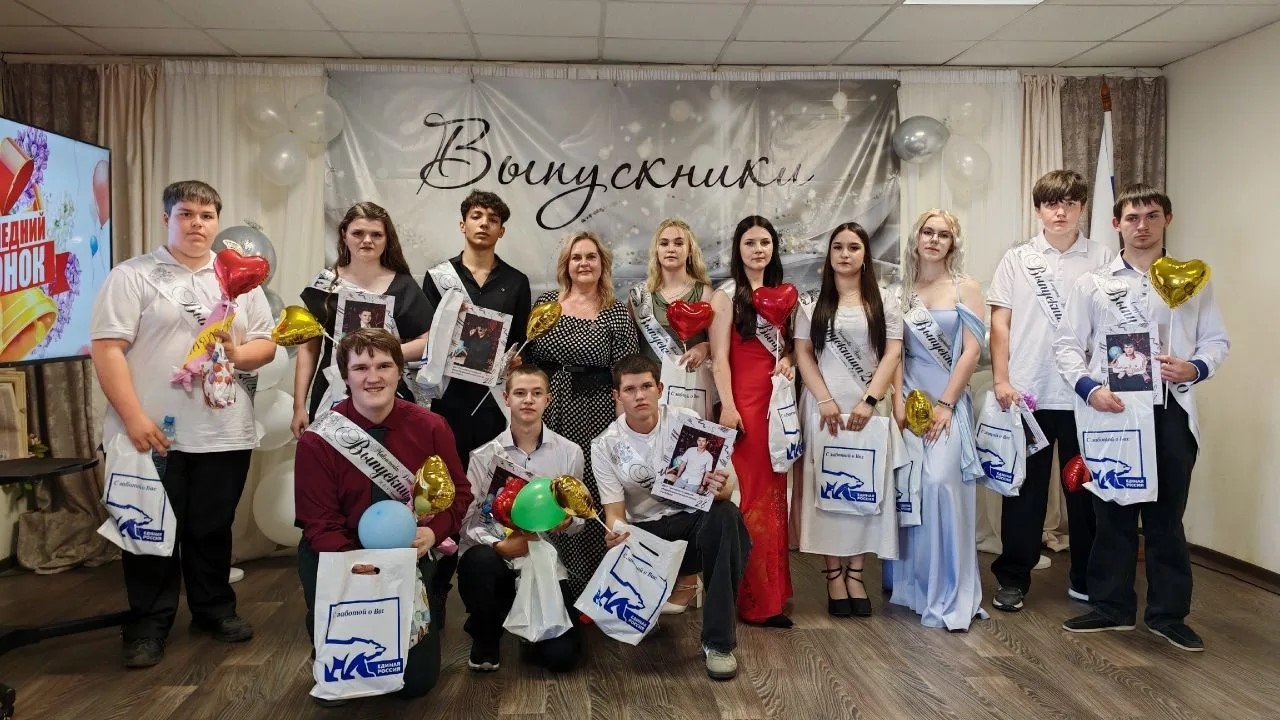
👔 Nearly as often, United Russia deputies and officials appeared at school assemblies. Party representatives congratulated graduates, handed out gifts and certificates, and gave speeches about “serving one’s small homeland.”
“United Russia is always there — both on holidays and on ordinary days. Especially when it comes to our children and their future,”stated the United Russia branch of the Verkhneuralsk district.
In Rostov region, the mayor of Novoshakhtinsk “became part of a school tradition” and personally rang “that long-awaited last bell” together with the graduating class instead of a first grader.