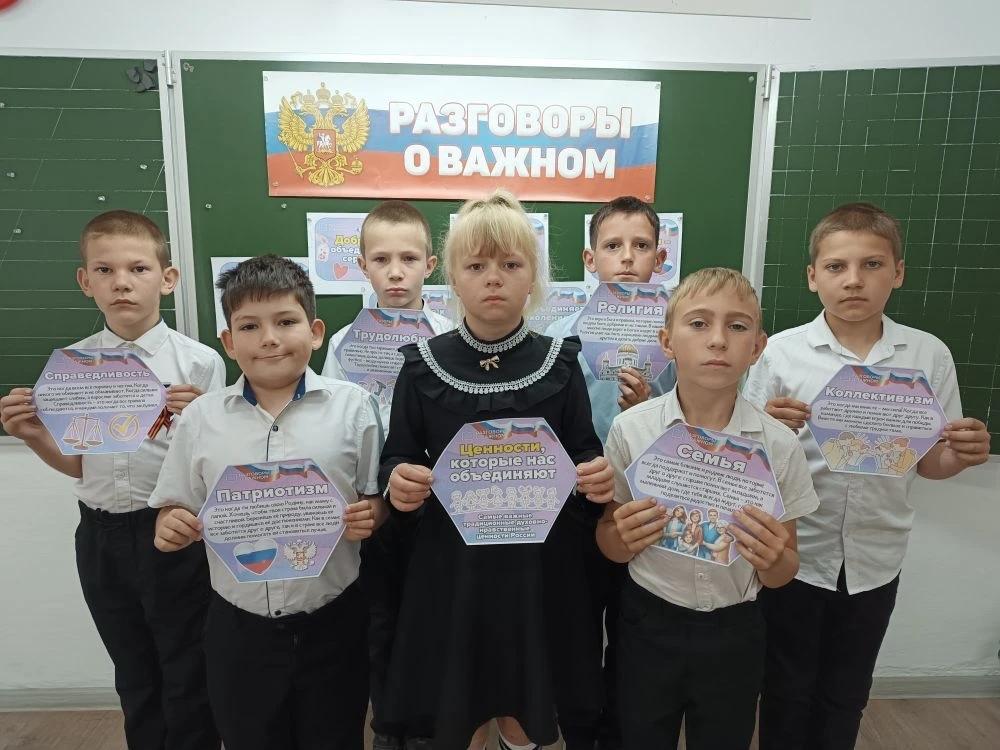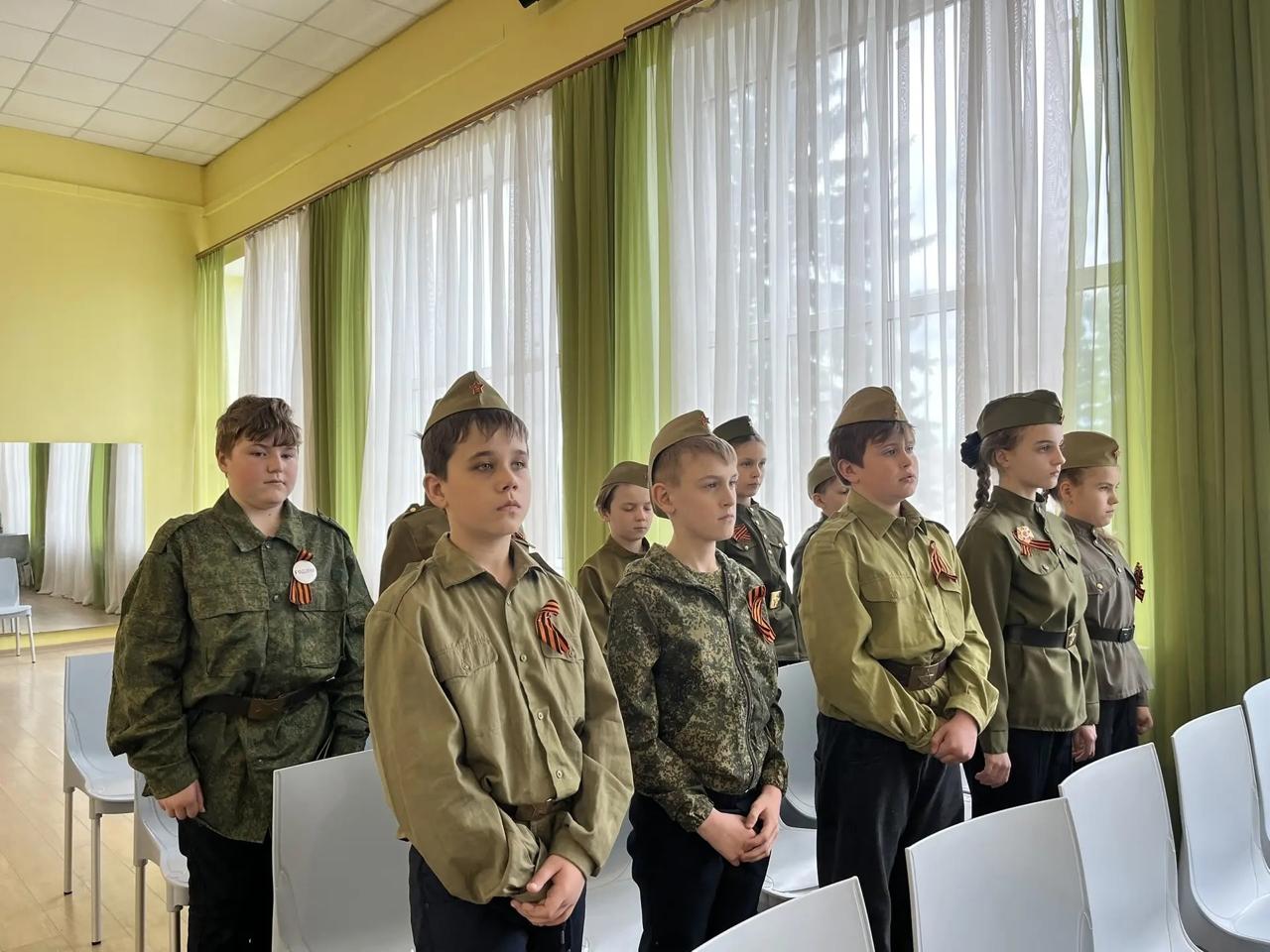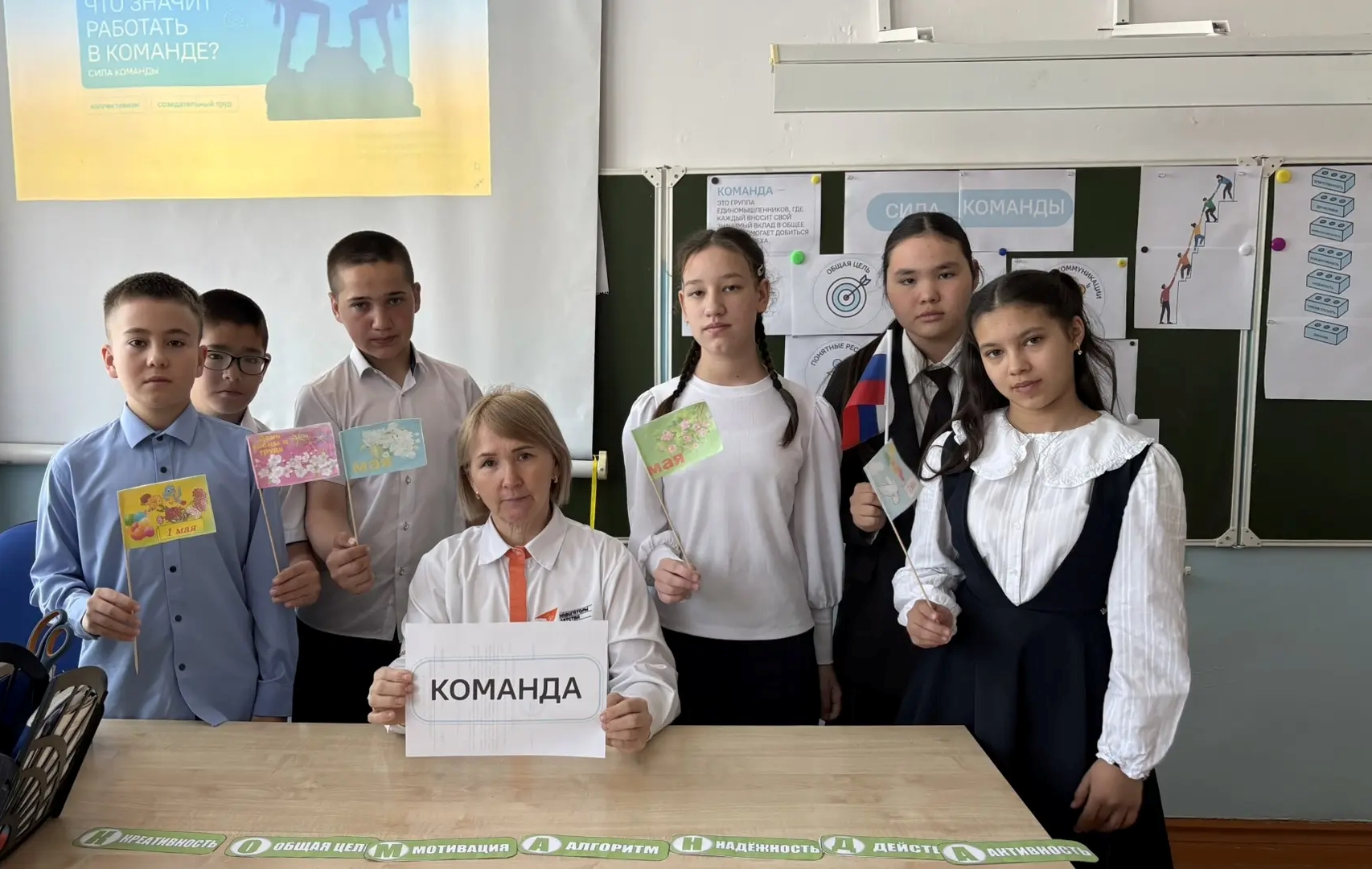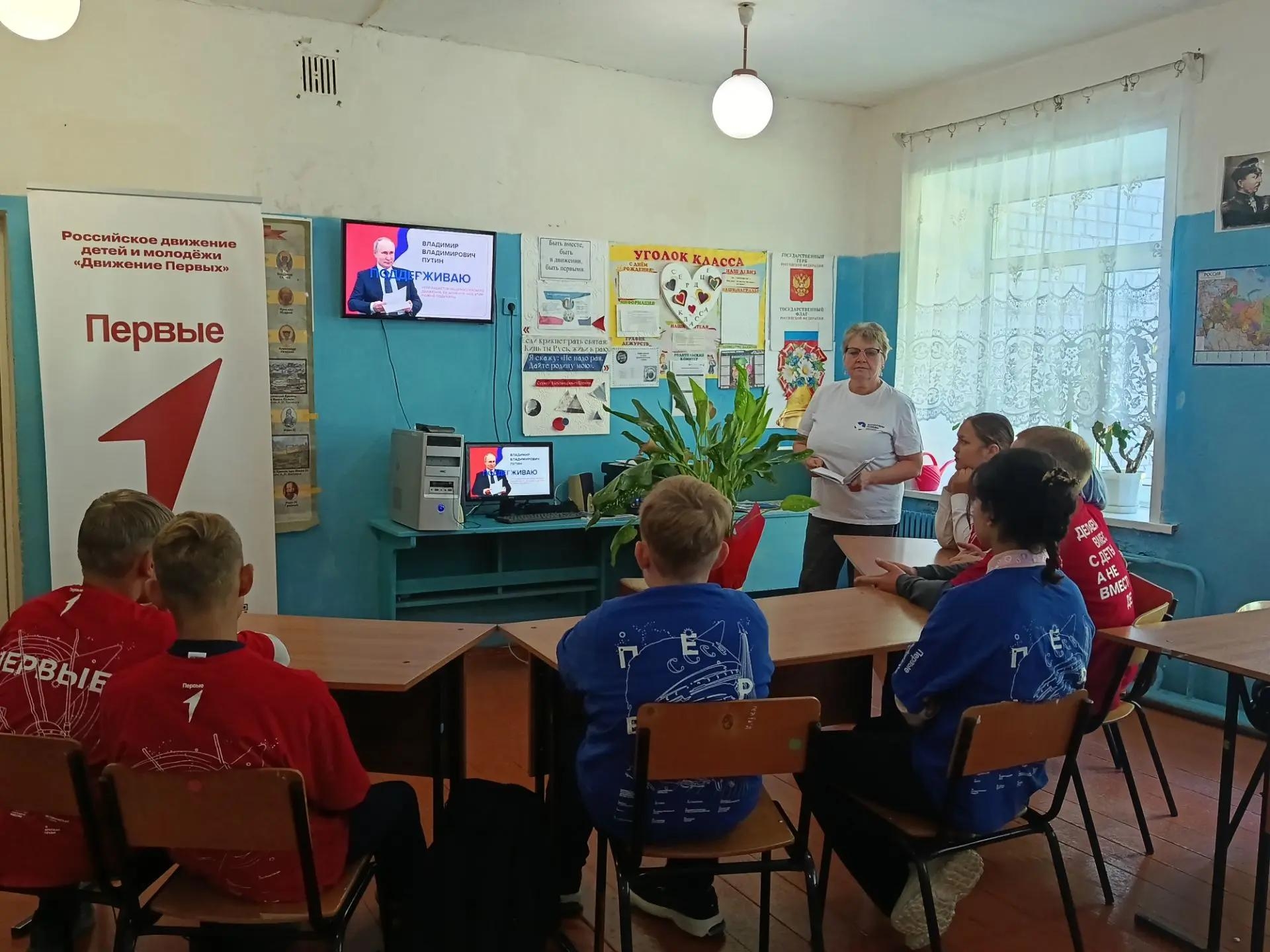
On September 7, Russian schools held the second lesson "Conversations About Important Things" of the new academic year. The topics differed depending on students’ age: pupils in grades 1–5 were taught about the Siege of Leningrad, while students in grades 6–11 learned about industrialist Nikolai Putilov.
❗️The main change is that the propaganda lesson must now continue at home. As part of a new “Children to Parents” format, students were given homework to conduct a "Conversation About Important Things" with their families: retell the lesson about Putilov to their parents, show them the official video, and discuss questions set by the state.
After the family lesson, the child is expected to return to school and report on how it went.
“You need to conduct a Conversation About Important Things with your family about N. I. Putilov, and at the next lesson, be sure to tell us how it went.”
The lesson about Putilov was designed to shape students’ understanding of work as “service to the Motherland,” while reinforcing the ideas of “constructive work” and the “primacy of the spiritual over the material.”
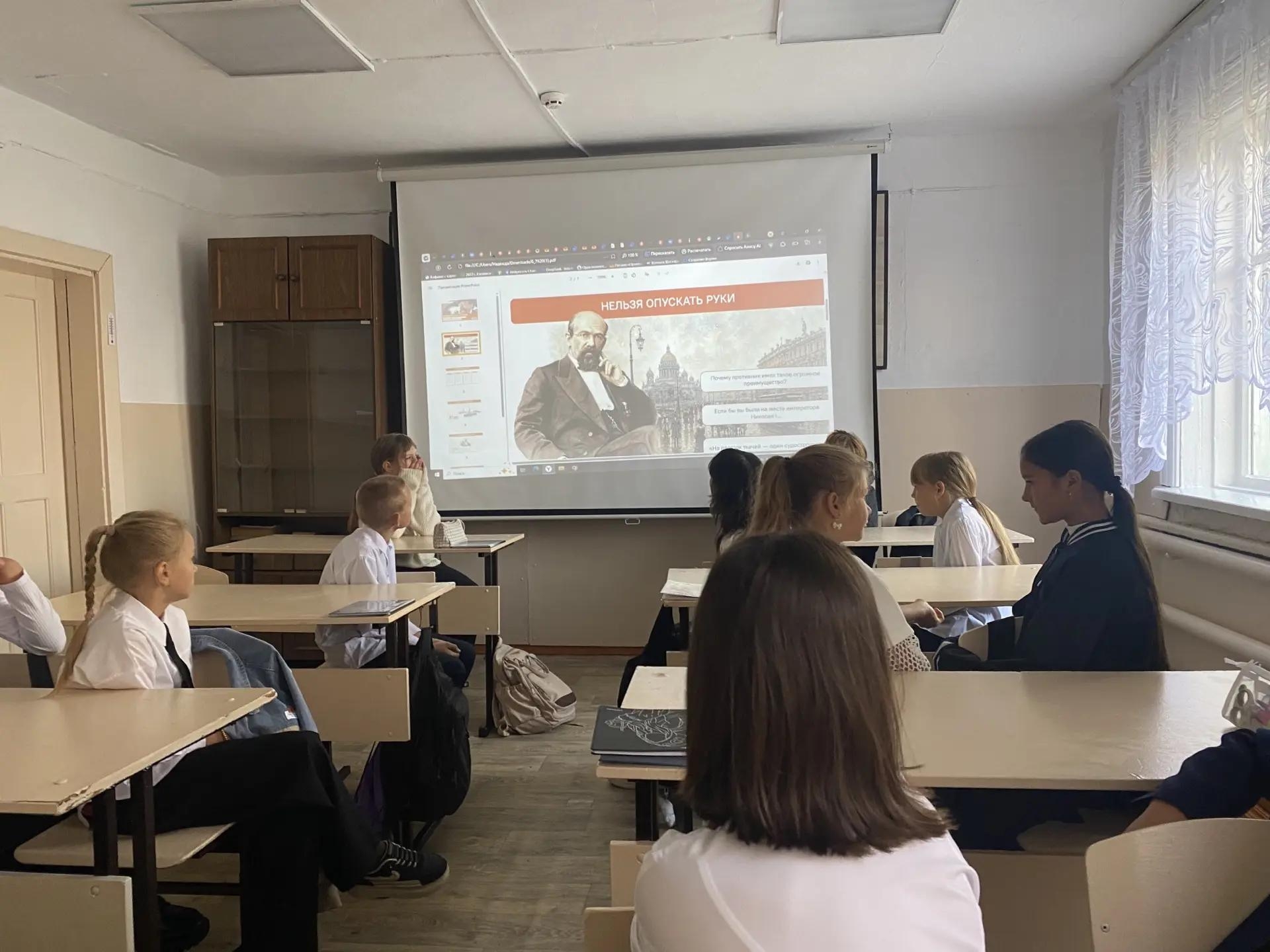
Through the industrialist’s biography, students were taught that work should serve not only a person’s individual goals, but also society and the country.
“Work is not just a job, but also service to one’s country. A person who truly loves the Motherland does not wait for a special occasion, but does everything possible every day to help it in difficult times.”
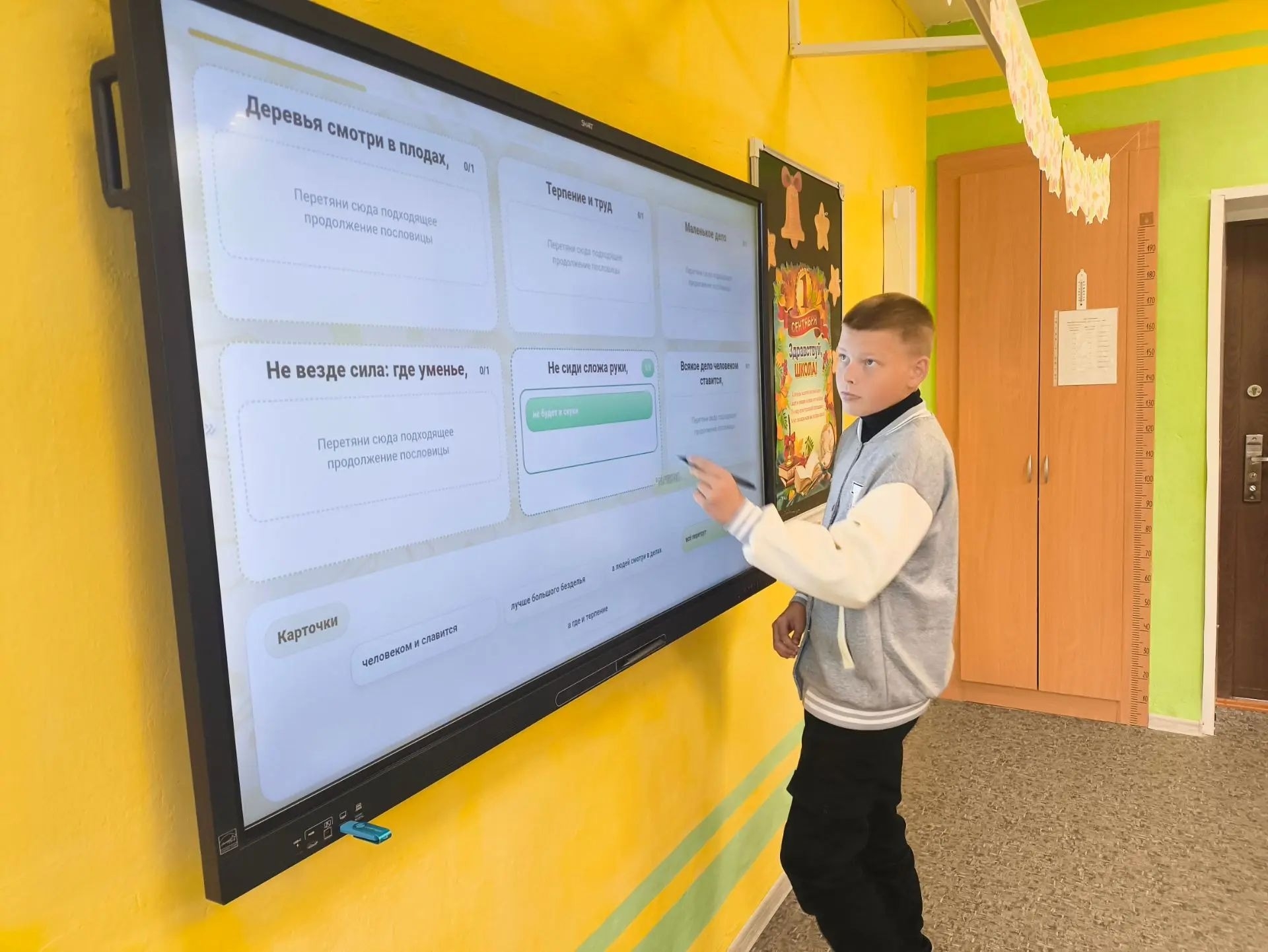
This year, such biographical lessons will become a separate component of "Conversations About Important Things". According to Education Minister Sergei Kravtsov, students in grades 6–11 will learn about “outstanding figures of Russia” through biographical films. A total of 28 topics are planned.
For students in grades 1–5, the lesson was devoted to the 85th anniversary of the beginning of the Siege of Leningrad. Among its core values, the authors listed “service to the Motherland and responsibility for its fate,” “patriotism,” “historical memory,” and “continuity between generations.”
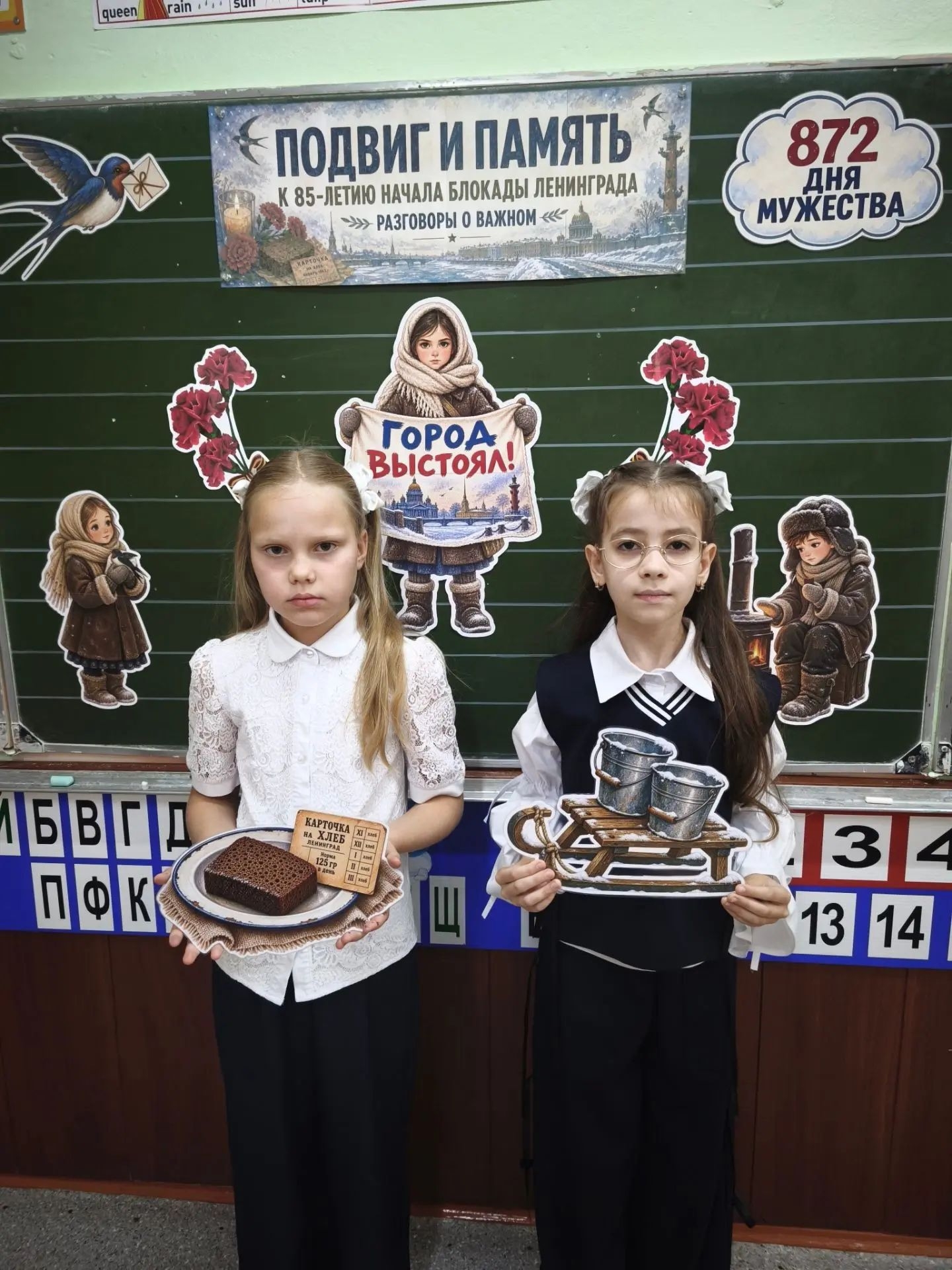
Children were told that during the war, “everyone tried to do whatever they could for their city and their country. It was their duty to the Motherland.”
Despite the two different topics, both revolved around an idea already familiar from "Conversations About Important Things": service to the state. Younger children were taught this through war, heroism, and self-sacrifice; older students through work and collective responsibility.
But now this ideological propaganda is moving beyond the school walls: children are expected to bring a ready-made state script home, discuss it with their parents, and then report back to their teacher on how the conversation went.