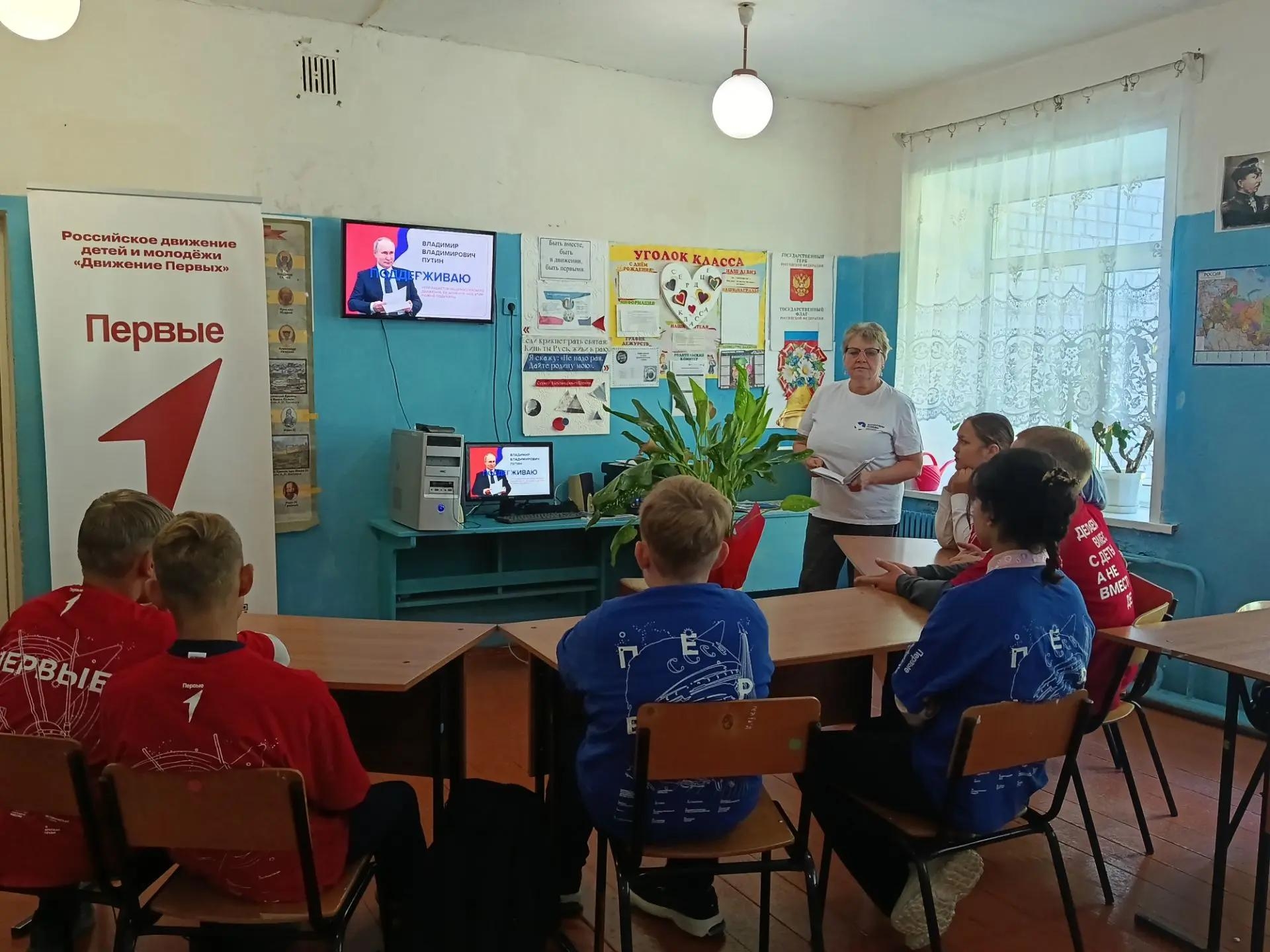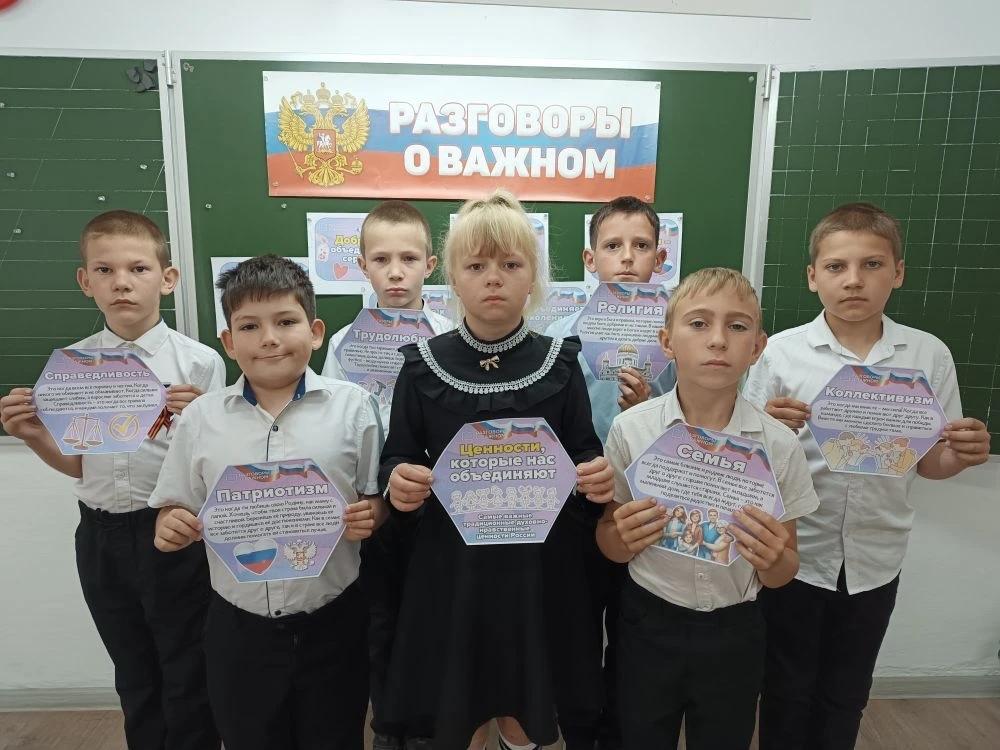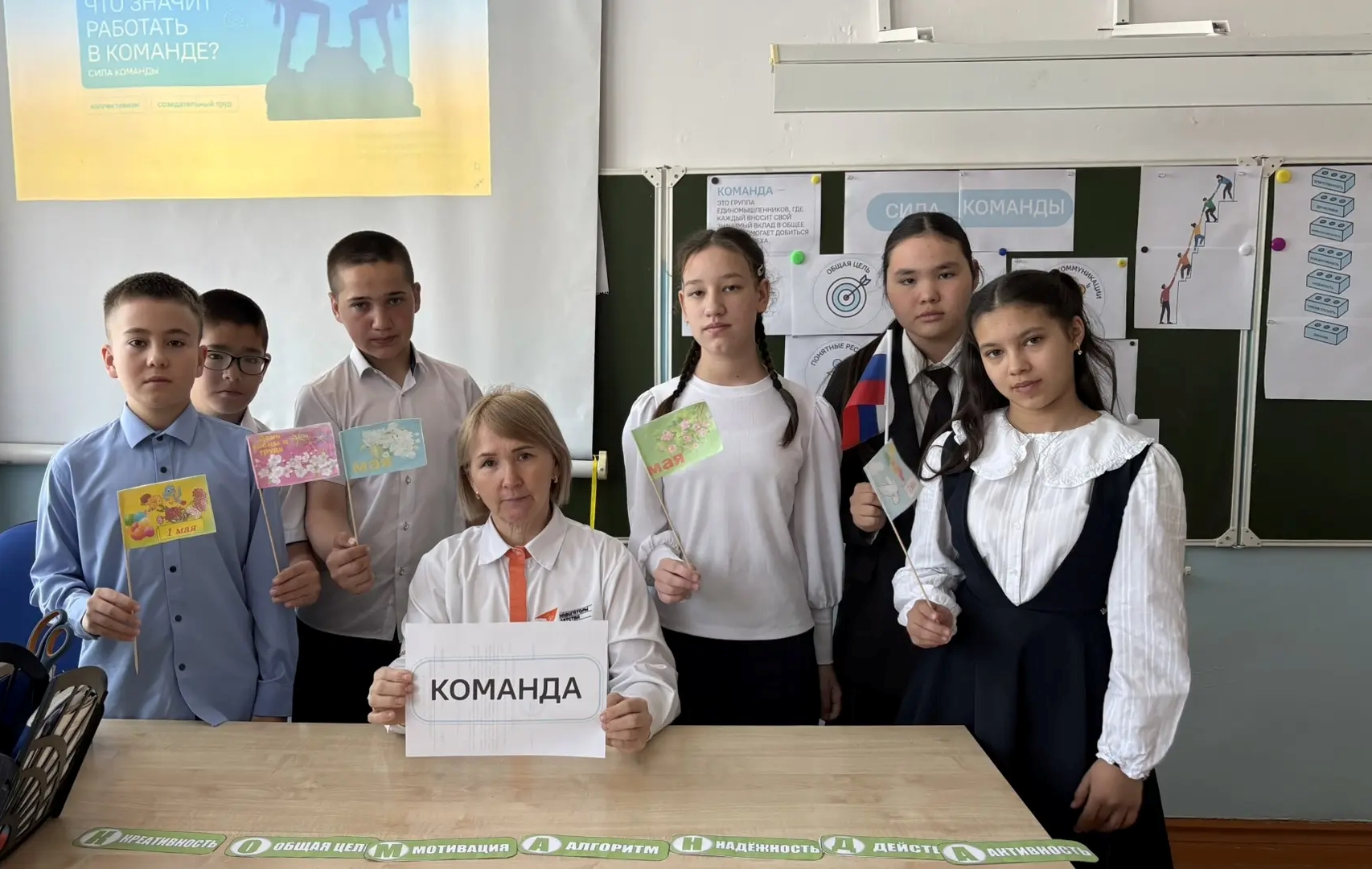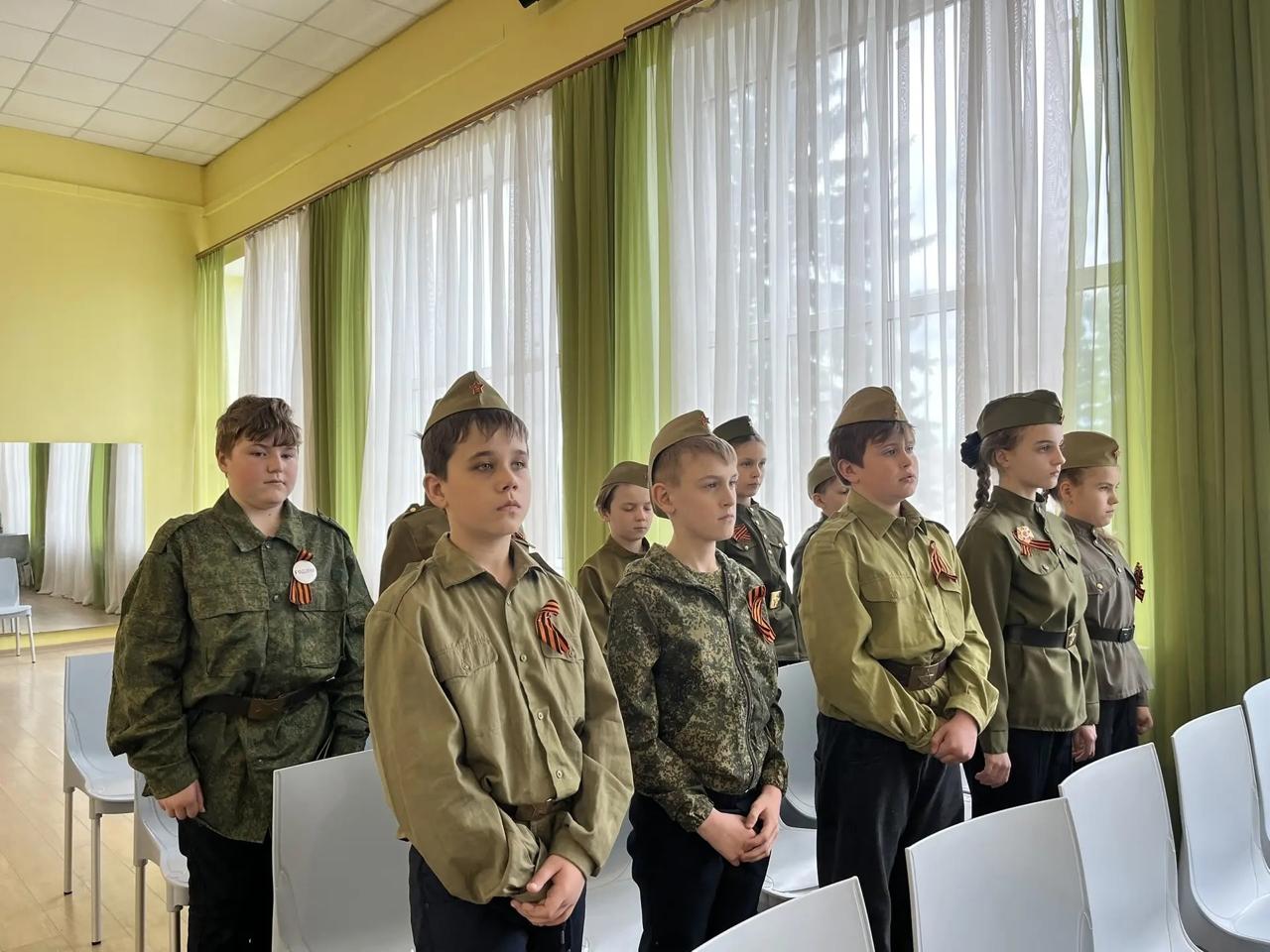
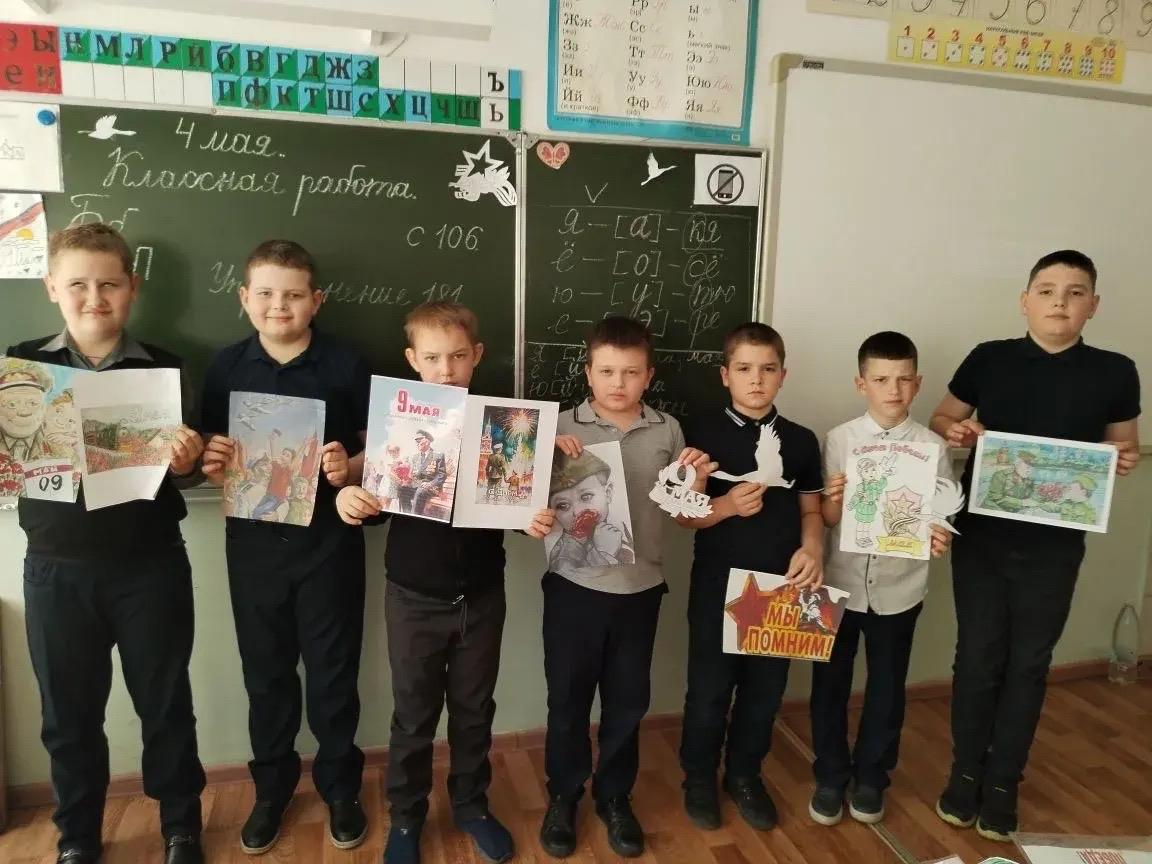
A “Conversations About Important Things” lesson dedicated to Victory Day was held in Russian schools. Students were told about the role of wartime songs—not as part of culture, but as a tool that “helped people endure and keep their spirit up” during the war.
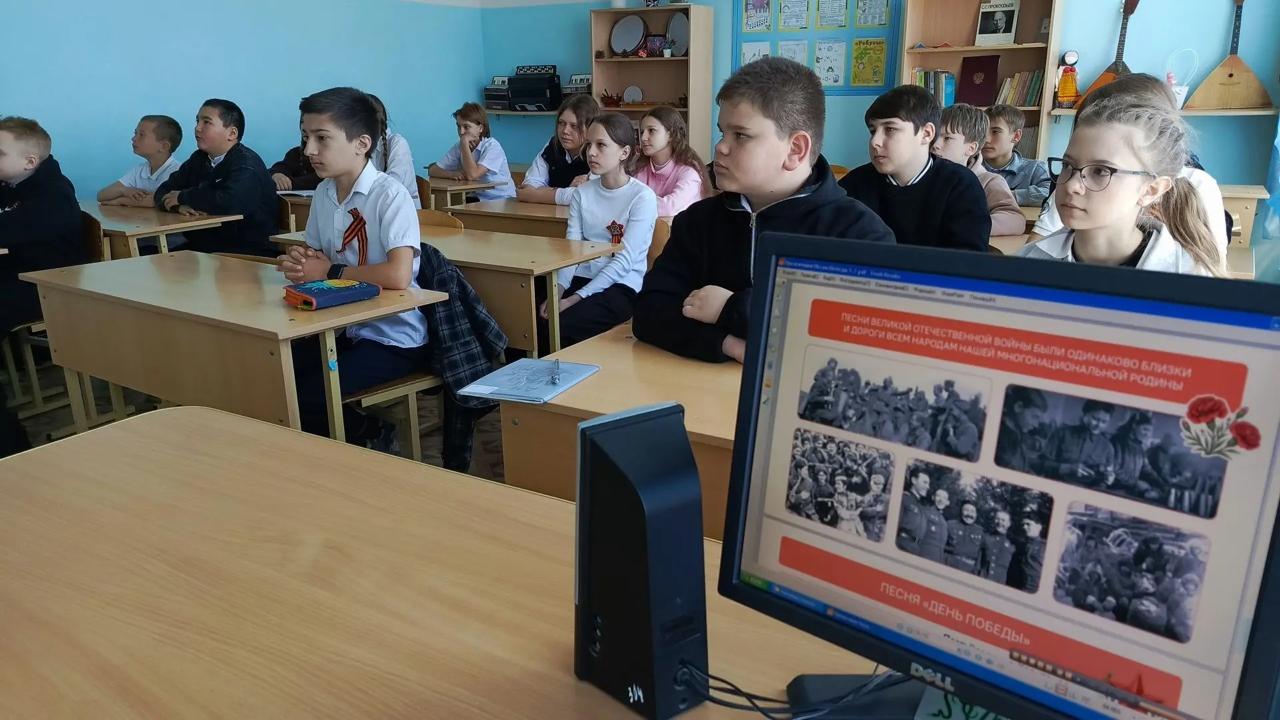
According to the script, teachers explained that Victory Day is not just a date, but “proof of strength of spirit, unity, and love for the Motherland,” and that the memory of the war should be preserved across generations, including through songs. They were described as “a living testimony of history” that conveys the feelings of those who went through the war.
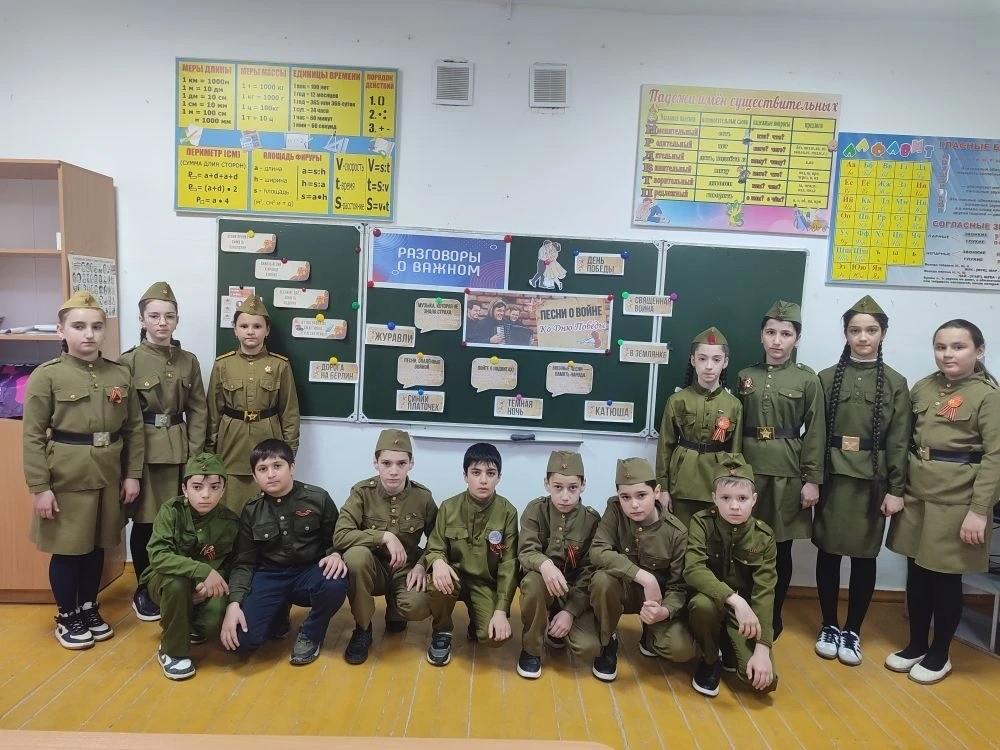
Students were told that during the Great Patriotic War, songs “went to the front” almost immediately after being created and became as necessary for soldiers “as air.” According to teachers, they not only inspired troops to attack but also helped them survive.
“A song became a weapon, no less important than a rifle or a tank,” — a line from the teacher’s script.
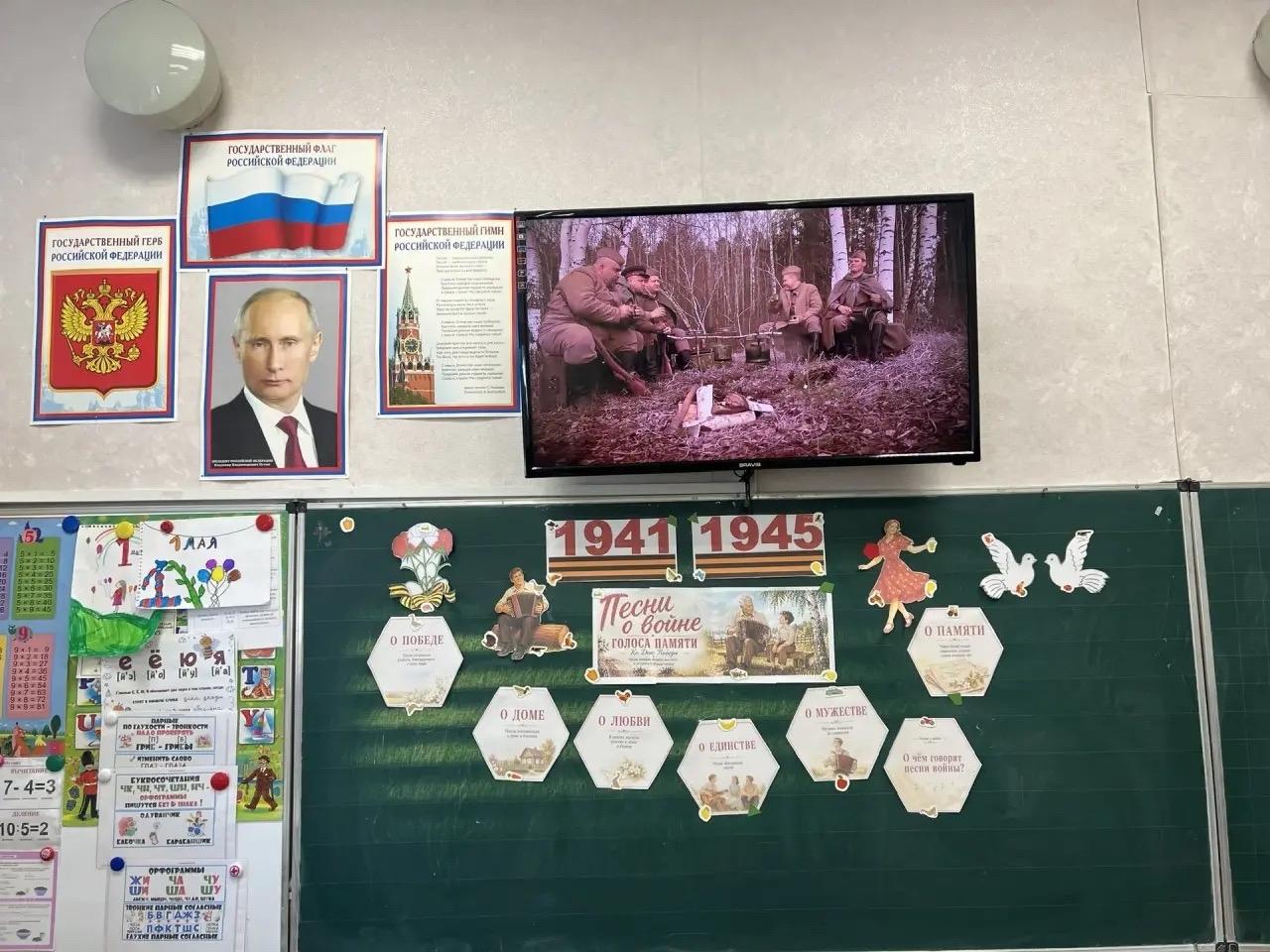
During the lesson, students were shown an interview with World War II veteran Nina Demesheva, who spoke about being transferred from a hospital to a military ensemble.
— You will dance in the ensemble! — her commander told her. — Nothing of the sort. What am I, a deserter? Leave the front line to go dancing? — Demesheva replied.
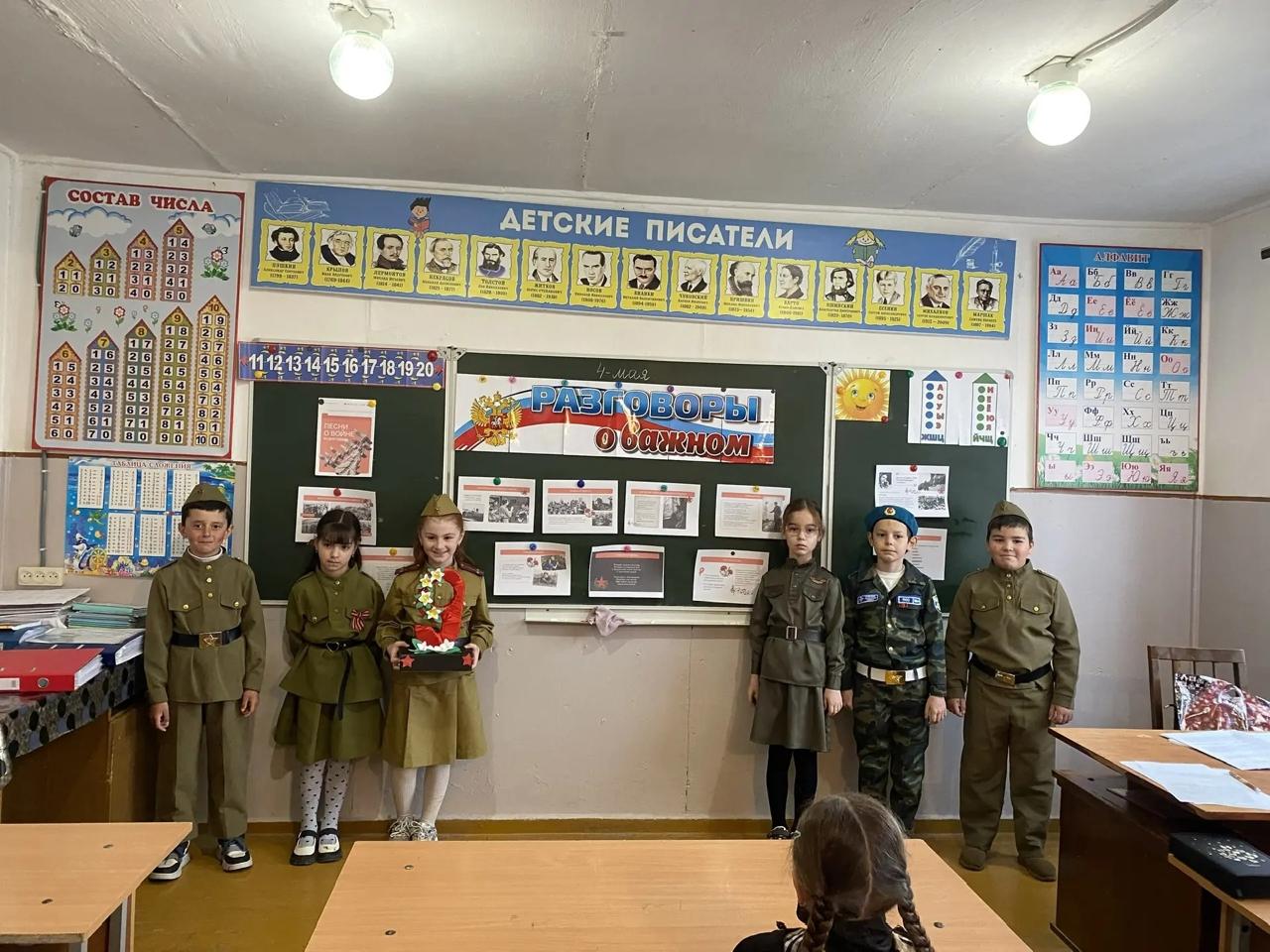
Well-known songs were used as examples.
“The Sacred War” was presented as a symbol of the country’s mobilization: it was performed before soldiers were sent to the front and immediately became one of the main songs. “In the Dugout” was described as an example of personal lyricism that nonetheless found “a response among millions.”
“Dark Night” was explained as a story about faith, love, and a person’s inner resilience during war, while “Katyusha” was framed as an image that connects peaceful life with military duty.
“Why, in the context of this song, do we understand that the love between the characters is mutual, yet duty to the Motherland compels Katyusha’s beloved to devote himself entirely to service?” the teacher asks.
For older students, a mandatory part of the lesson was watching a segment from the program “BesogonTV.” In it, a young boy in military uniform sings “The Sacred War.” After the performance, Nikita Mikhalkov says that a “gene of the victor” lives in the Tatar boy—a quality he claims is necessary for anyone living in Russia who wishes to defend it.
“I very much hope that, when they watch the parade, they will feel not only the power of weapons, not only the beauty of formation, but will understand that they are part of this valor, that they are the successors of the victors. Only in this case can they become достойные citizens of our country,” Mikhalkov says.