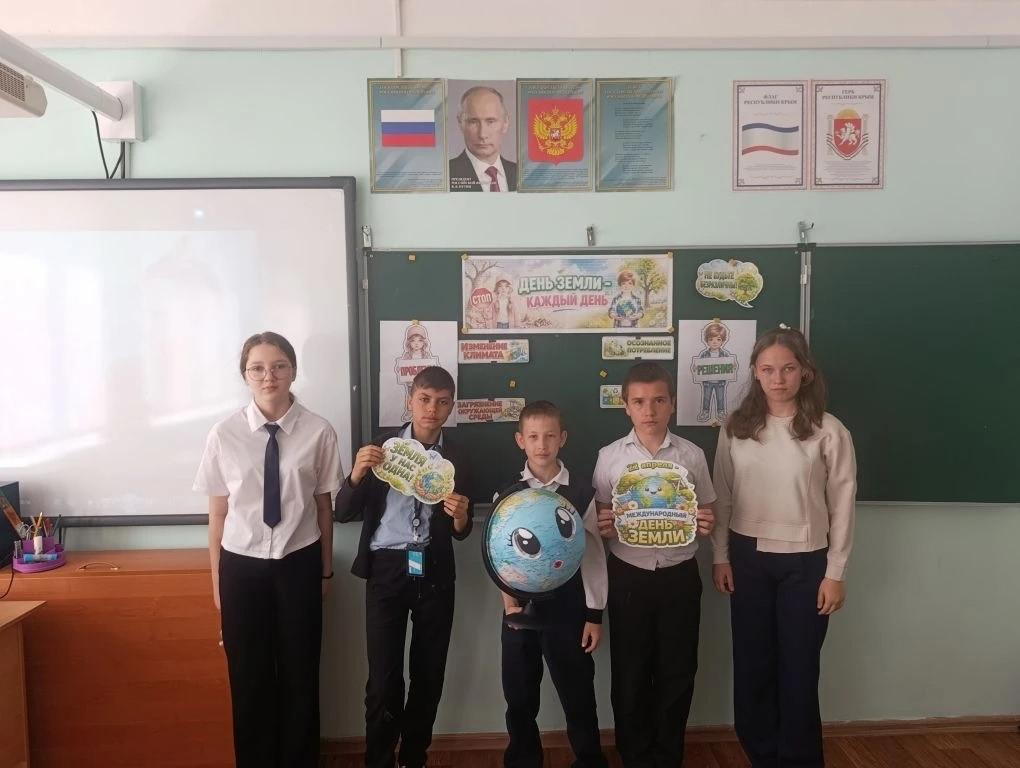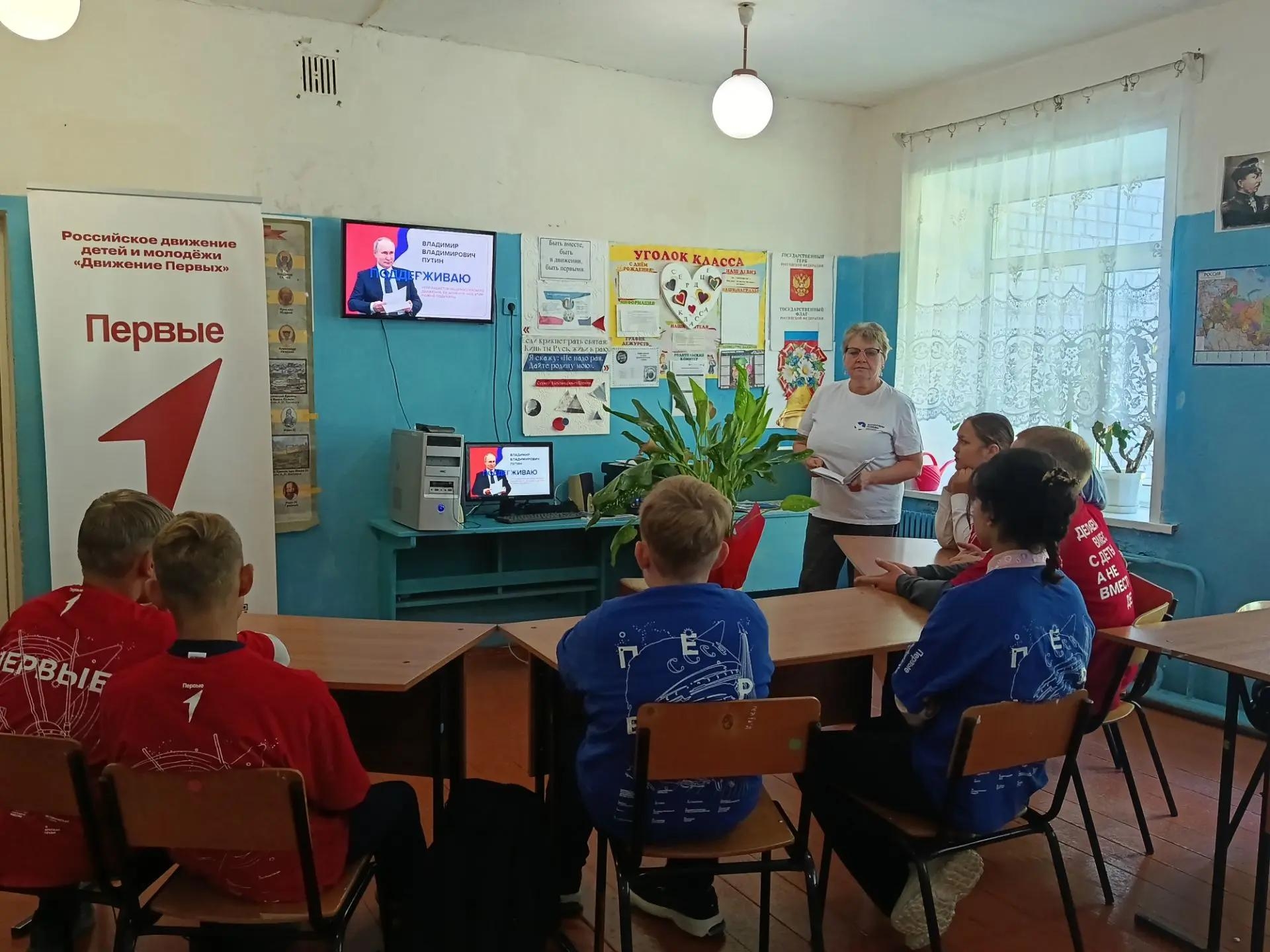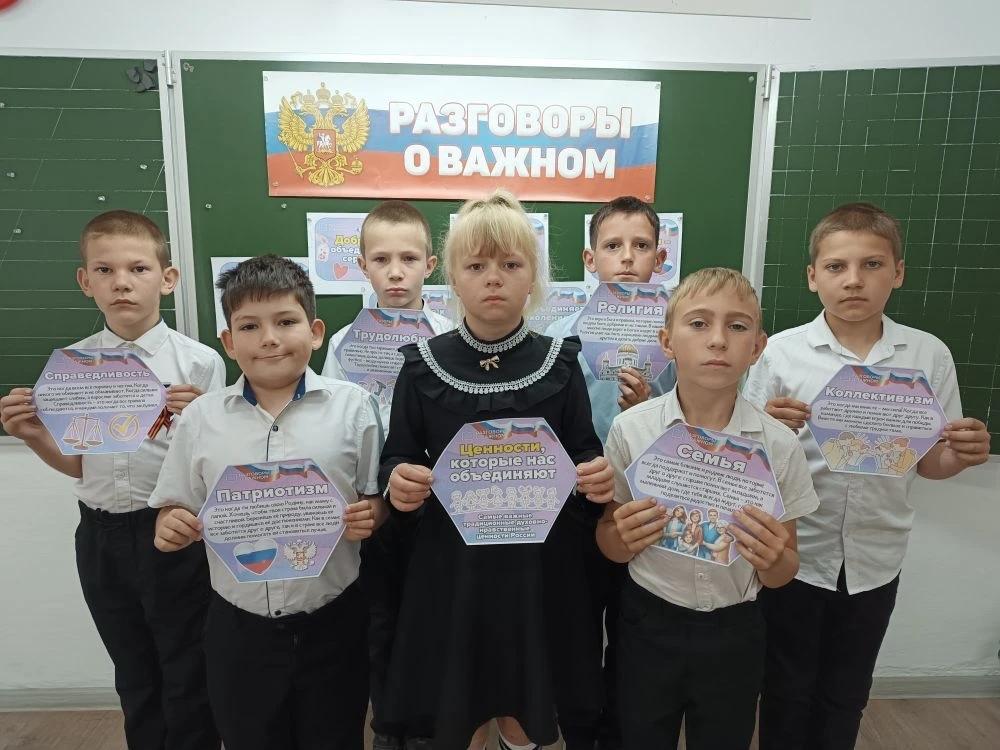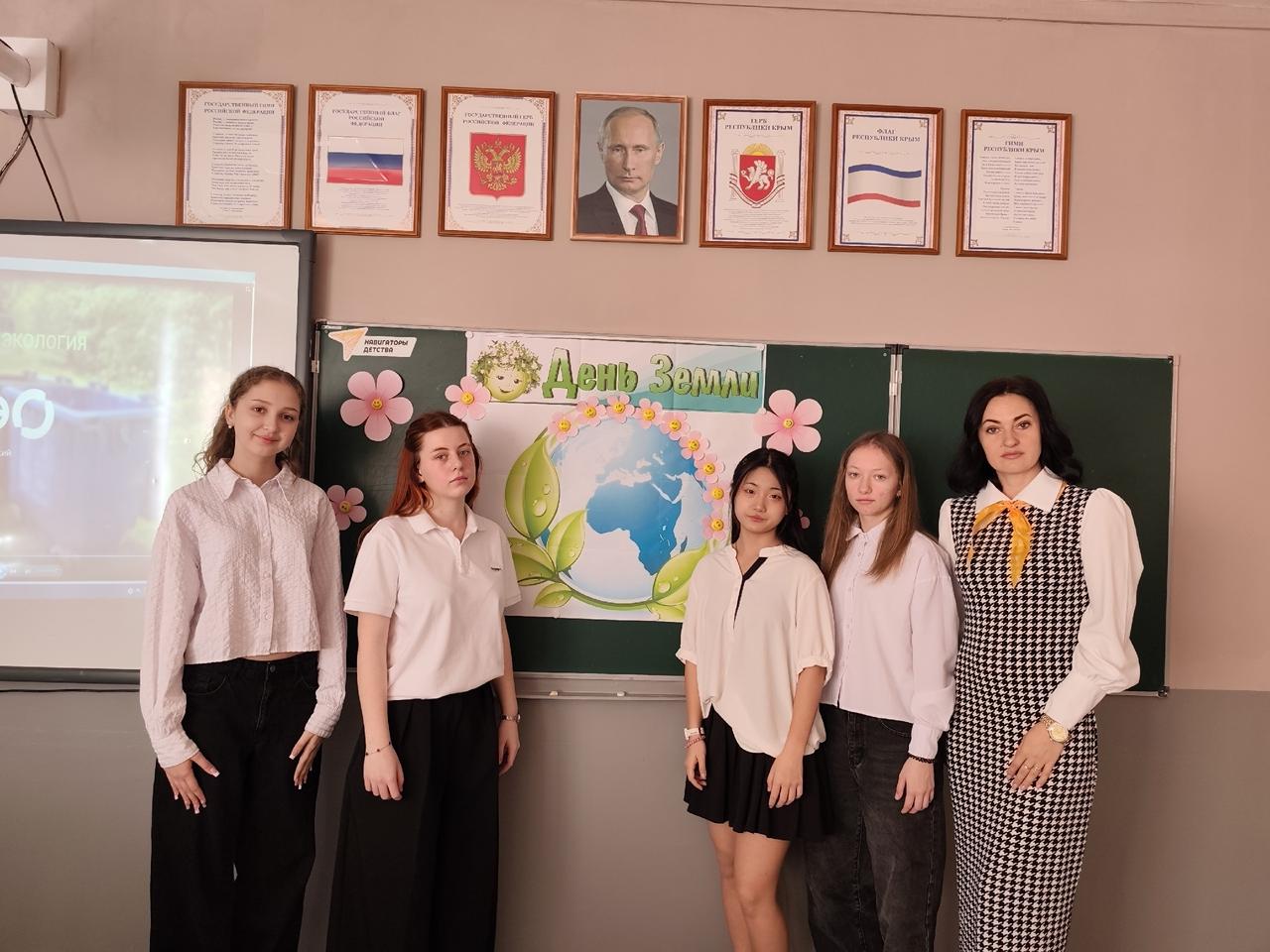
The lesson was devoted to ecology, waste recycling, and healthy habits. However, the environmental agenda was framed primarily as a matter of students’ personal discipline rather than the systemic causes of pollution.
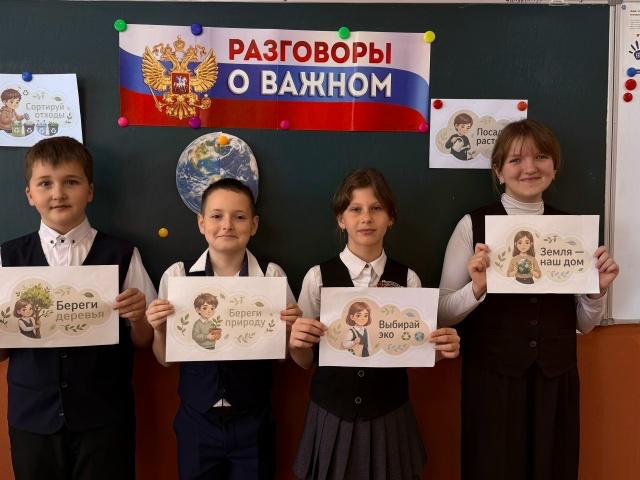
Students were told that “the state of the planet is the personal responsibility of every individual,” since the “quality of life and the future of all humanity” depend on each person’s choices. According to the lesson authors, environmental pollution arises from unthinking consumption and citizens’ everyday habits.
“Why do you think the waste problem is the personal responsibility of everyone?” — one of the reflection questions asked during the lesson.
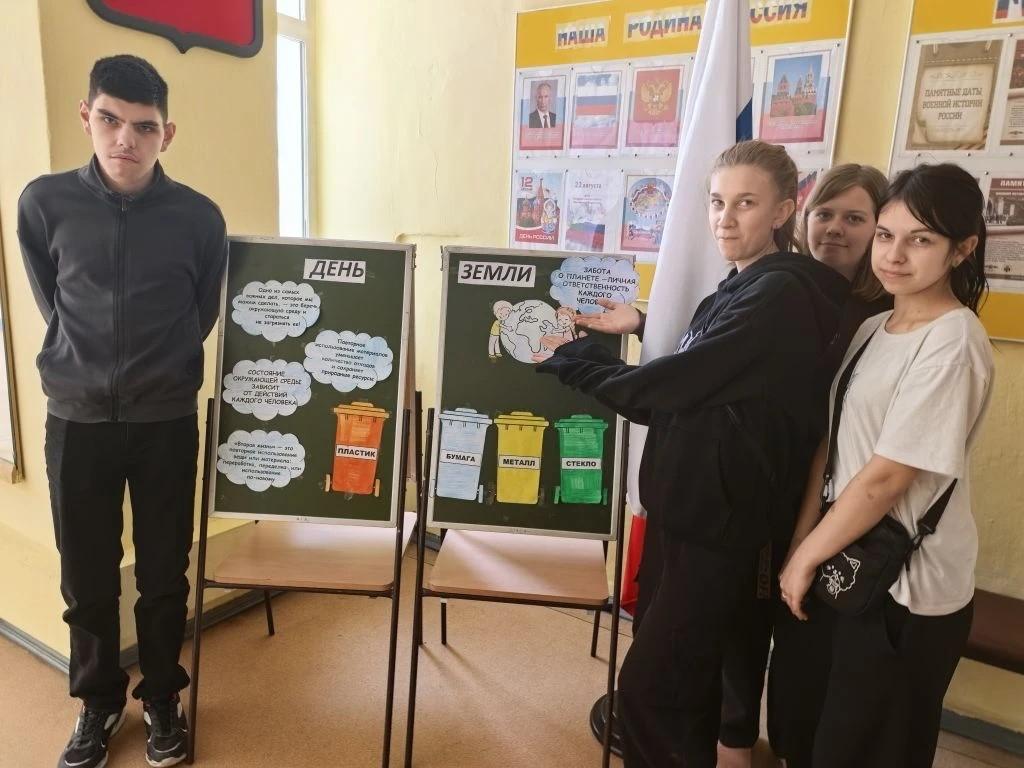
Children were taught how the waste management system works — from containers near homes to sorting, recycling, and disposal at landfills. At the same time, it was specifically emphasized that the state plays the key role in regulating the sector, while residents’ task is to help the system by sorting trash properly at home.
Students were also encouraged to discuss “conscious consumption”: buying fewer unnecessary things, reusing items, and developing environmentally friendly habits.
“But in modern ecological culture, recycling is only one part of a larger system. At its core are refusing unnecessary things, reducing consumption, and reusing items,” — the teacher says according to the script.
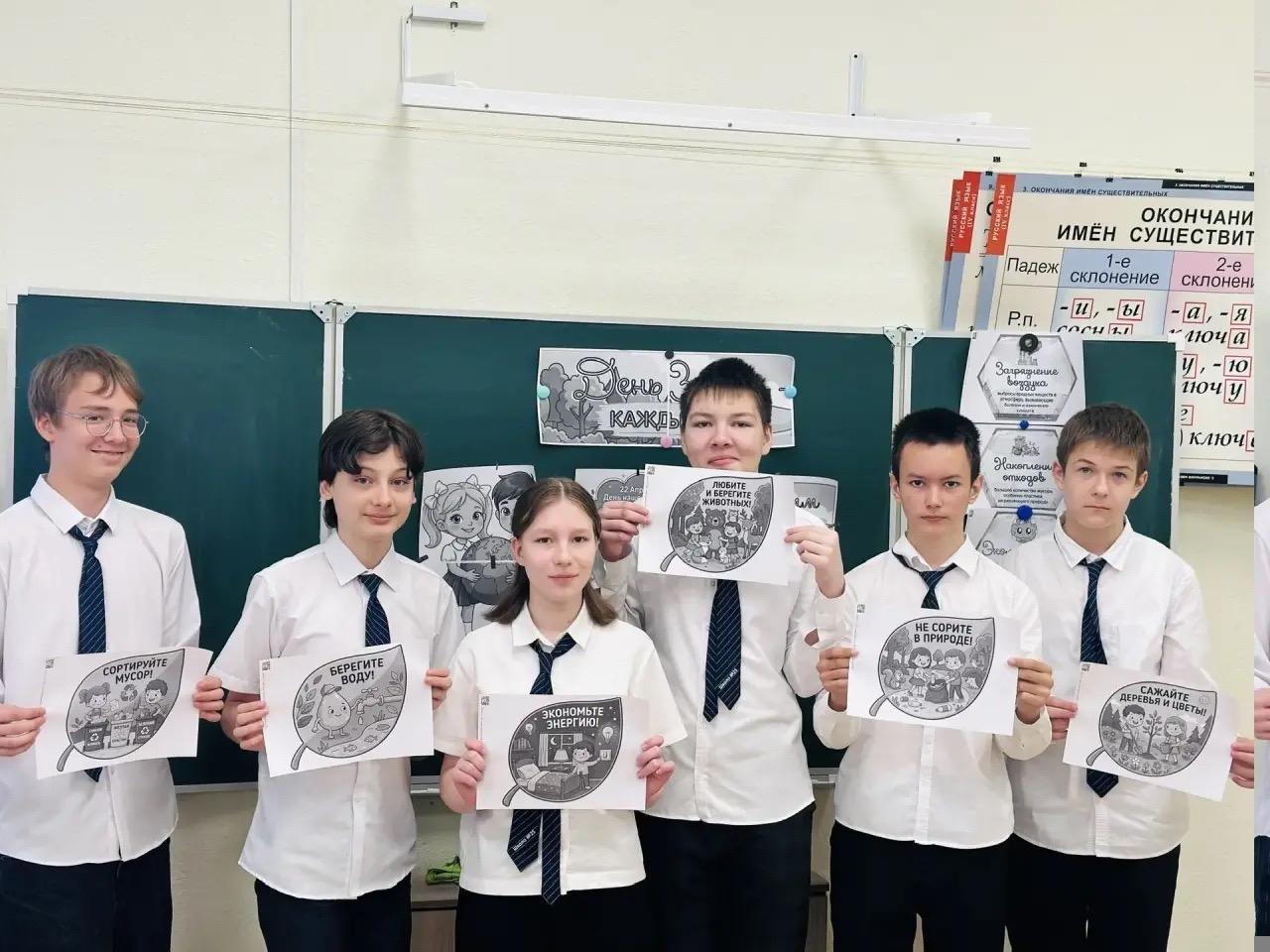
As usual, older students were shown an excerpt from Besogon TV. Nikita Mikhalkov reminded them that “no one possesses riches like we do” and recited four lines by Alexander Tvardovsky from the poem Vasily Tyorkin:
“How vast the land is, The greatest land of all. And it would be someone else's, Someone else’s, But no — it is our own.”
At the end of the lesson, teachers once again promoted the nationwide Conversations About Important Things award. Children were invited to come up with a new video teaser format for the lessons and record their own clip on one of the program’s topics.