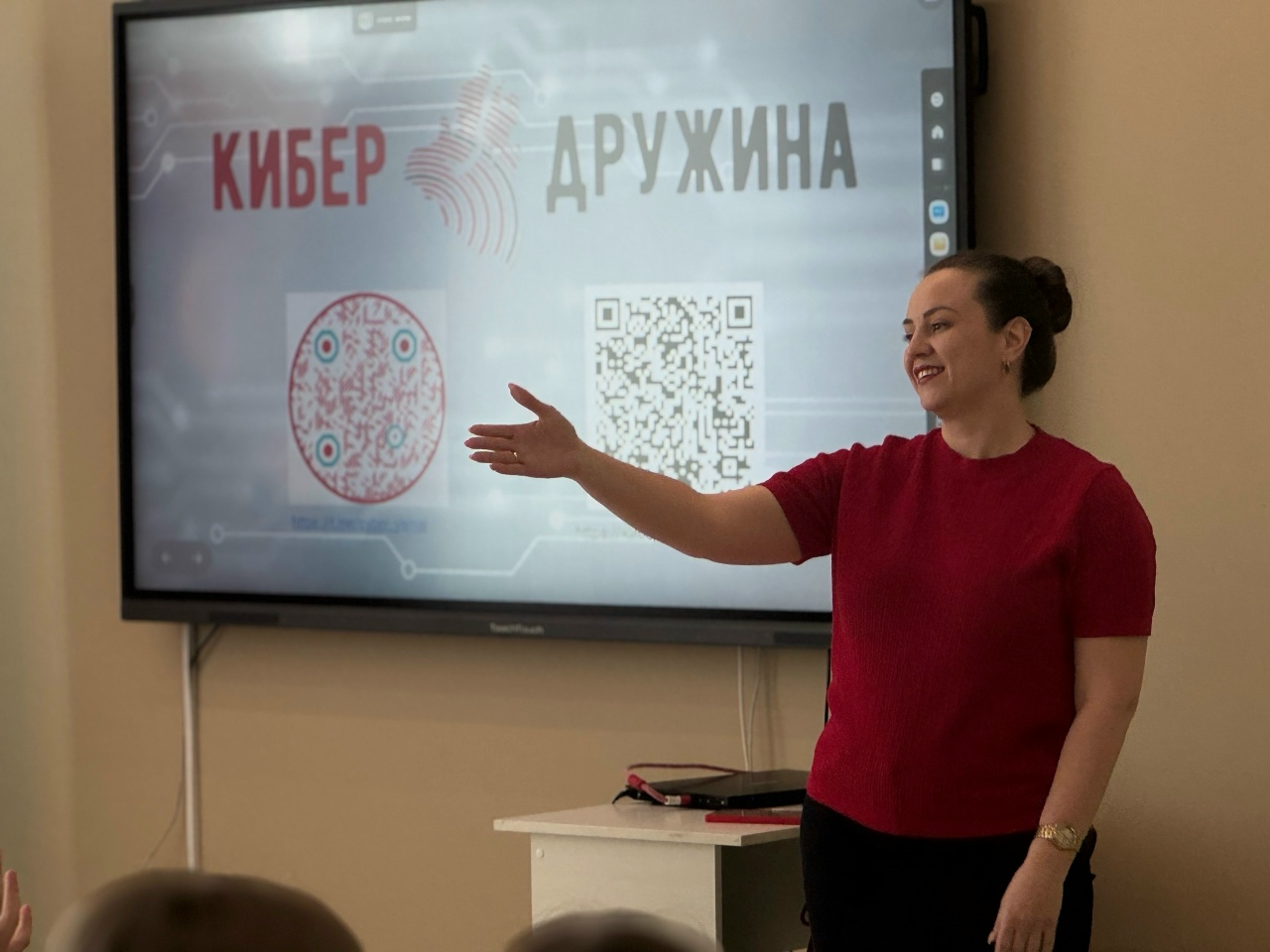
On Putin’s orders, the government has developed a set of 41 measures aimed at preventing “negative phenomena” among children and young people through 2030. Among them is the creation and expansion of school and student “cyber squads” and “media patrols.”
According to Rosmolodezh, such groups have already been operating since 2023. Teenagers and students monitor social media, messaging apps, and video platforms in search of “harmful content” — ranging from drugs and bullying to “fakes,” suicide-related topics, and materials about school attacks. The collected information is then passed on to law enforcement for further blocking.
Other measures include identifying minors who may be preparing unlawful actions, as well as conducting preventive talks about responsibility for “extremist and terrorist crimes.”
❗️Authorities also plan to establish interagency coordination for the rapid blocking of content related to school attacks.
Rosmolodezh head Grigory Gurov described these measures as a response to the “modern challenges” of the digital environment. More than 70 regions and 18 federal agencies, including the Ministry of Internal Affairs, the Ministry of Defense, and the Ministry of Education, were involved in developing the initiative.
At the same time, the term “destructive ideology,” which these measures aim to combat, is defined extremely broadly. According to Putin’s decree, it includes “values alien to the Russian people” — from rejecting the “ideals of patriotism” and the “positive contribution of Russia to world history” to the “destruction of the family through the promotion of non-traditional sexual relationships.”