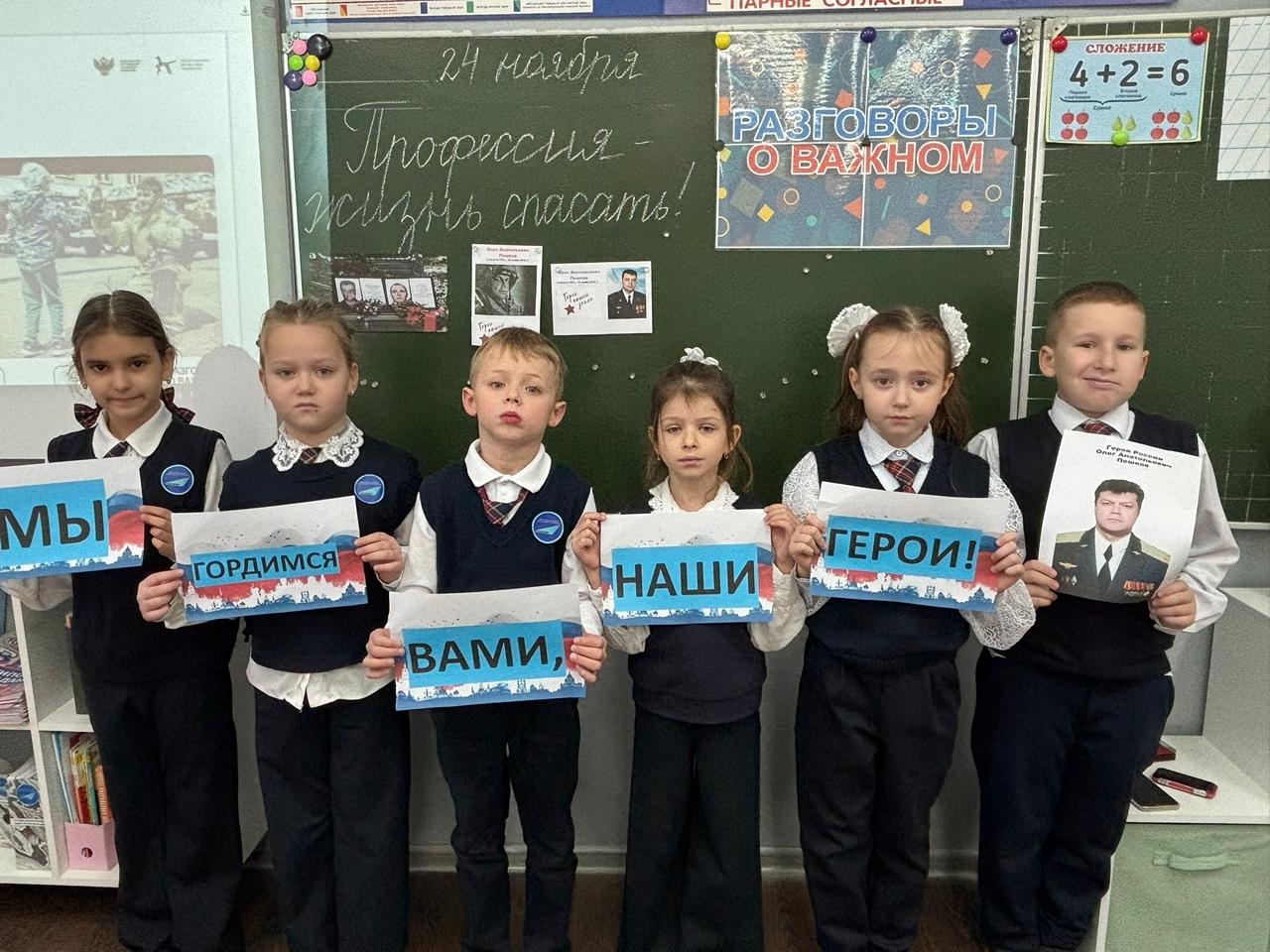
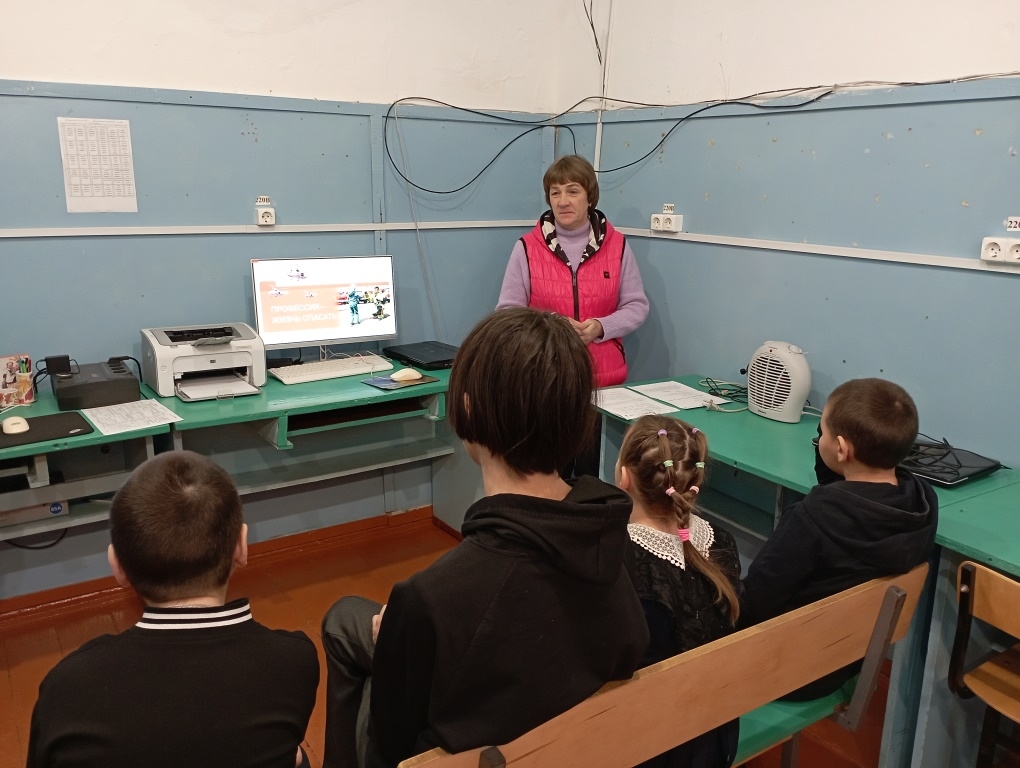
In Russian schools, the “Conversations About Important Things” lessons continue to promote “correct” values among children — patriotism and service to the state. Today’s lesson, dedicated to the work of rescuers, told students that “saving people’s lives is a top priority of the state,” and that taking risks is honorable and respected.
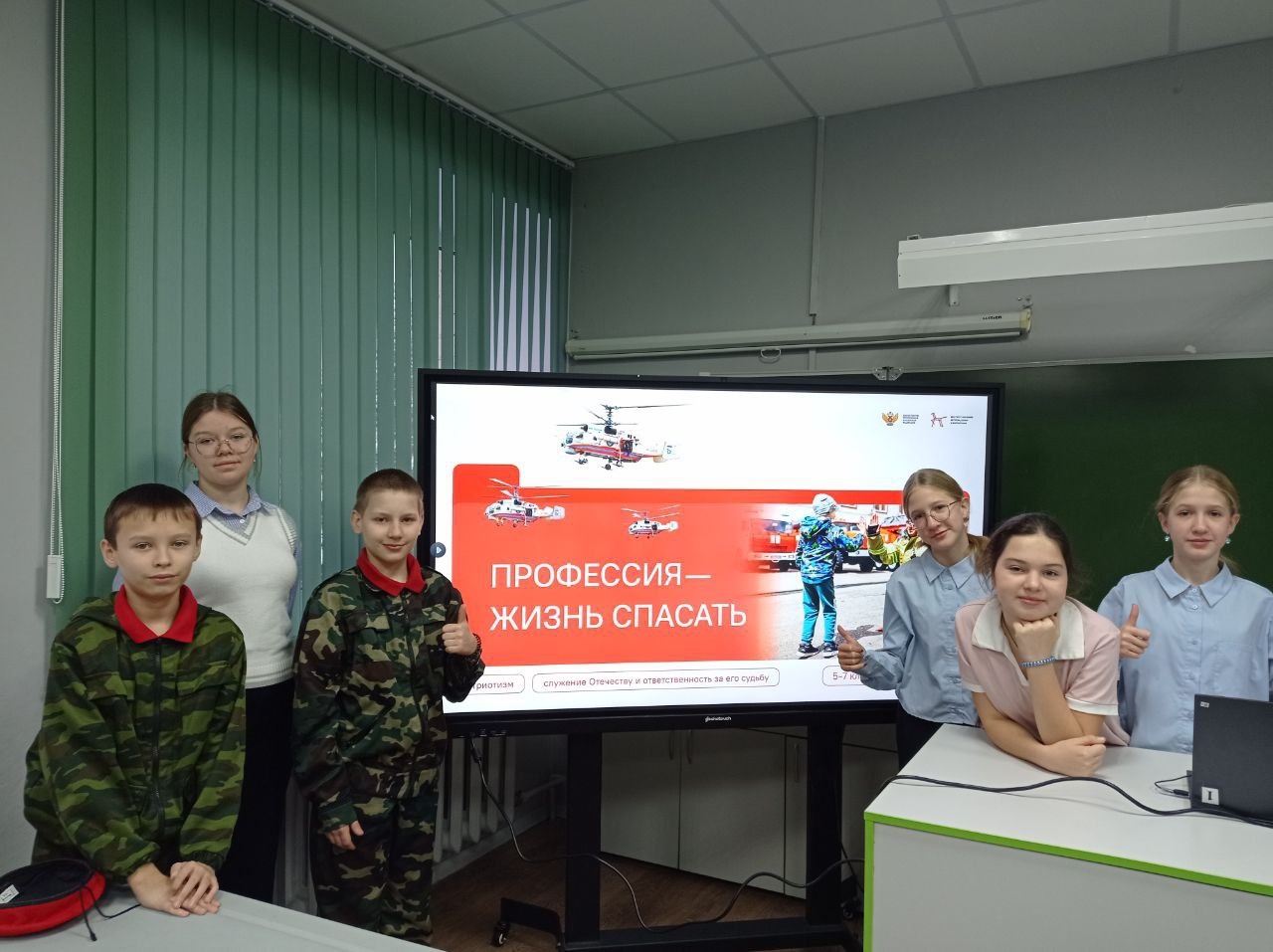
According to the lesson script, teachers were expected to explain that throughout history humanity has faced “enemy invasions and internal conflicts,” but it is precisely in such moments that people demonstrate their best qualities by uniting to save lives.
“Protecting the population and territories from various threats is one of the key functions of the state. Safety is a shared responsibility,” — the teacher says.
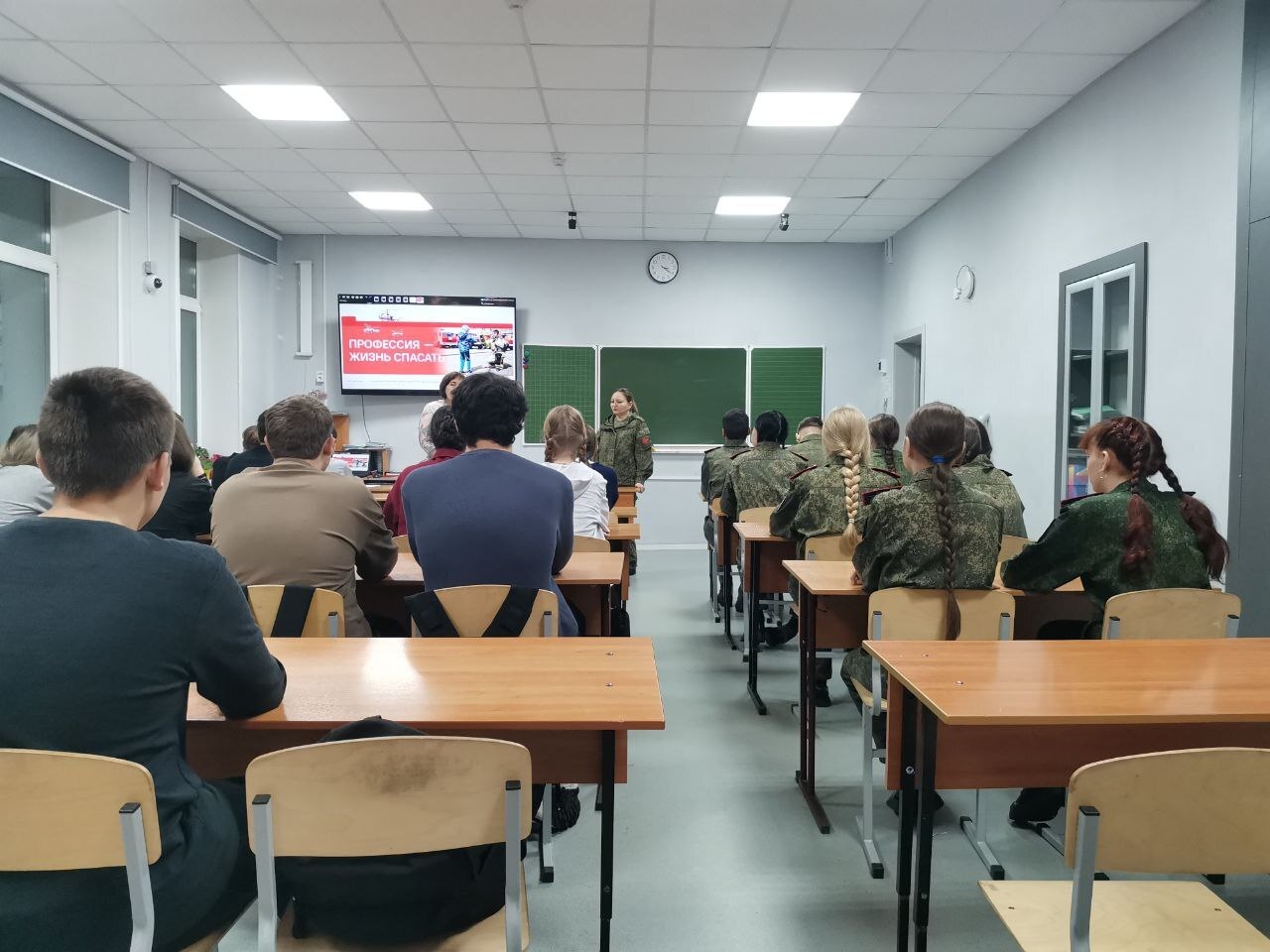
A separate part of the lesson focused on EMERCOM’s international missions. Teachers were told that Russian rescuers have participated in “more than 550 operations abroad” and were encouraged to discuss with students the question: “Why do Russian rescuers help people in other countries?” Special emphasis was placed on the 1999 earthquake in Turkey:
“With the help of dogs, Russian rescuers found and pulled 72 people from under rubble — as many as all the other foreign teams combined!”
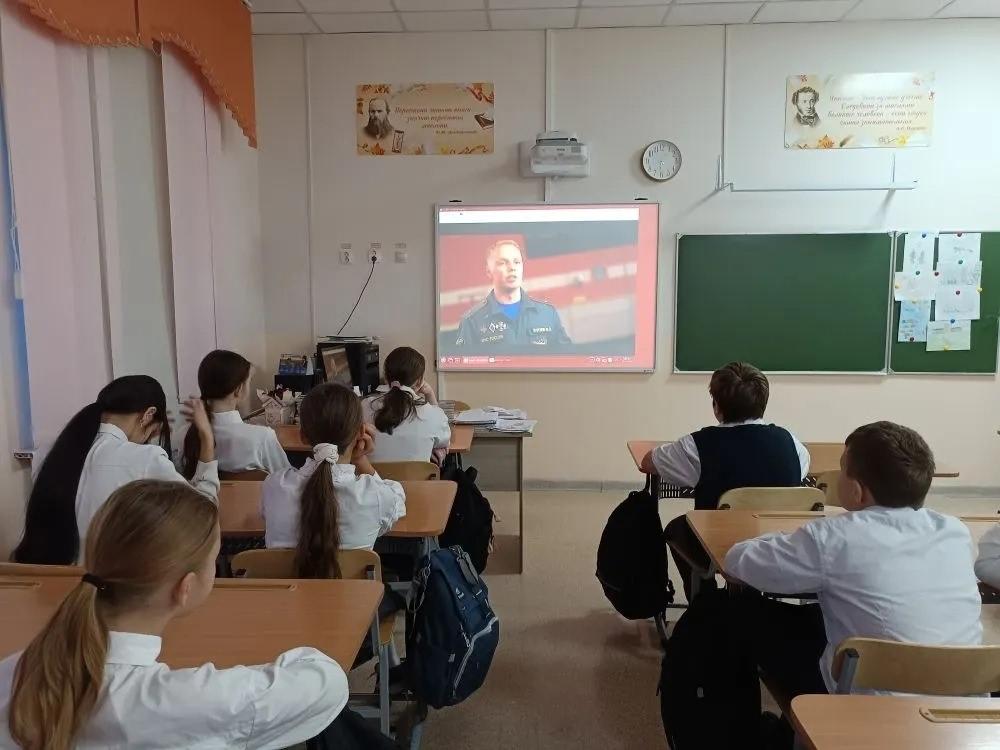
At the end of the lesson, students were shown a promotional video about universities that train rescuers and were encouraged to “connect their lives with service.” As a first step toward the profession, students were advised to complete the GTO physical fitness standards.
“Finish school, pass your exams, and move forward. Your contribution to the profession will not go unnoticed, because you will become those whom the whole country is proud of,” — the video tells students.
Older students were also shown a fragment from Nikita Mikhalkov’s program BesogonTV about the terrorist attack at Crocus City Hall. In some regions, schools supplemented the lesson with their own “special guests”:
— In the Altai region, a medical worker from a military hospital — a participant in SMO — was invited. She spoke to students about working on the front line and the “feeling of being needed here and now.” According to the school, students were “wiping away tears.”
— In the Stavropol region, the lesson on rescuers was expanded into a broader list of “heroes of our time” — from doctors and firefighters to soldiers “defending the Motherland.”
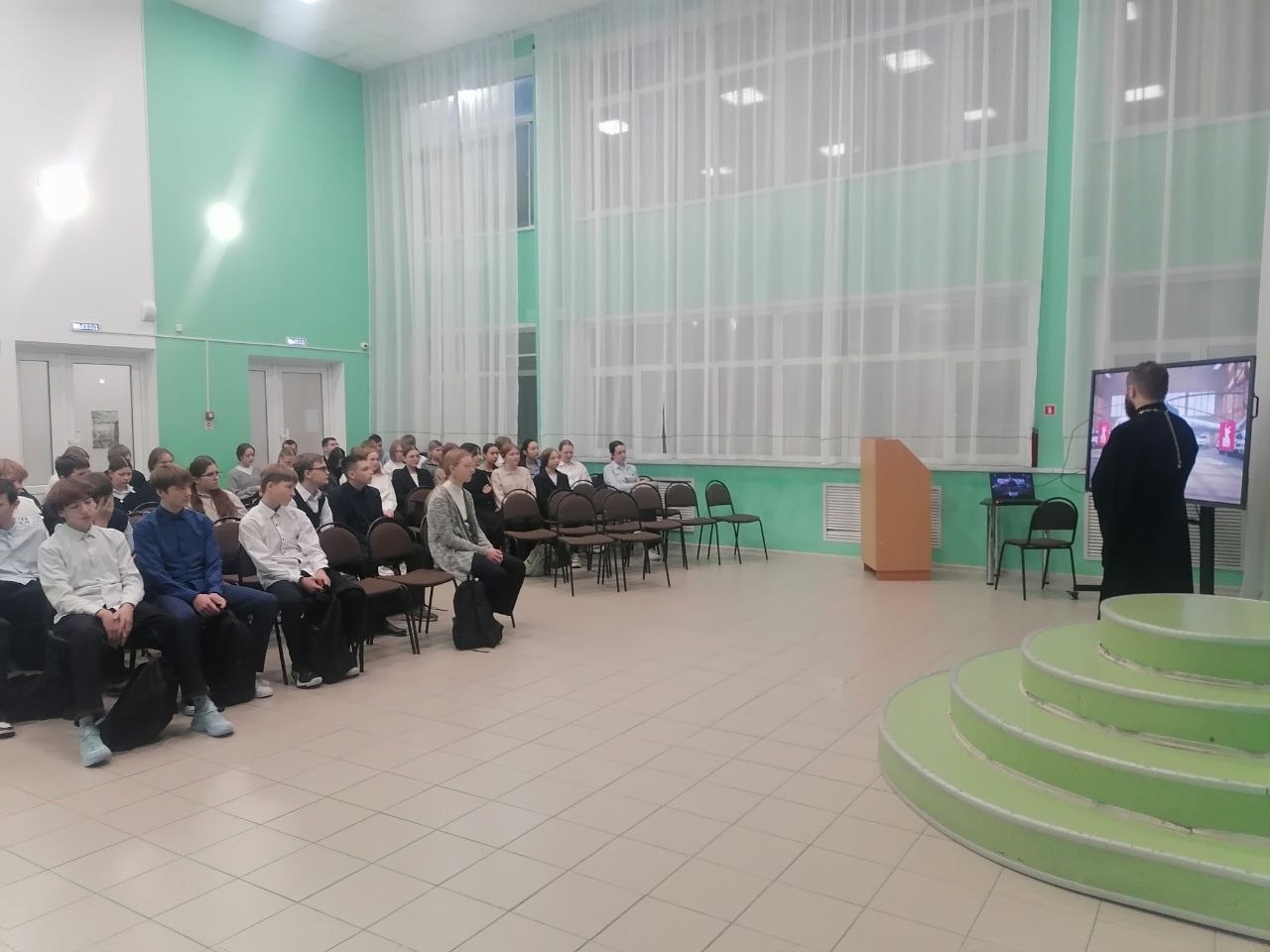
— In the Perm region, the profession of rescuer was explained not by an EMERCOM specialist, but by a cleric from a women’s monastery, who described saving people as “service,” and cited examples of heroism as acts of “self-sacrifice” and stories of “fighters defending peaceful life in SMO zone.”