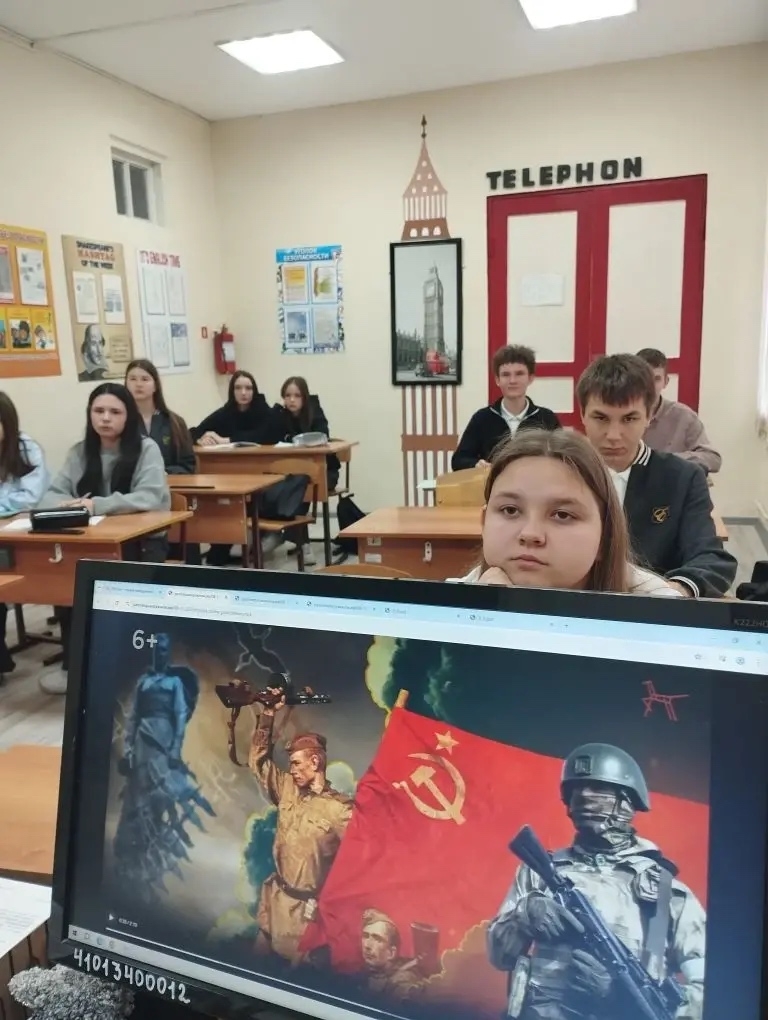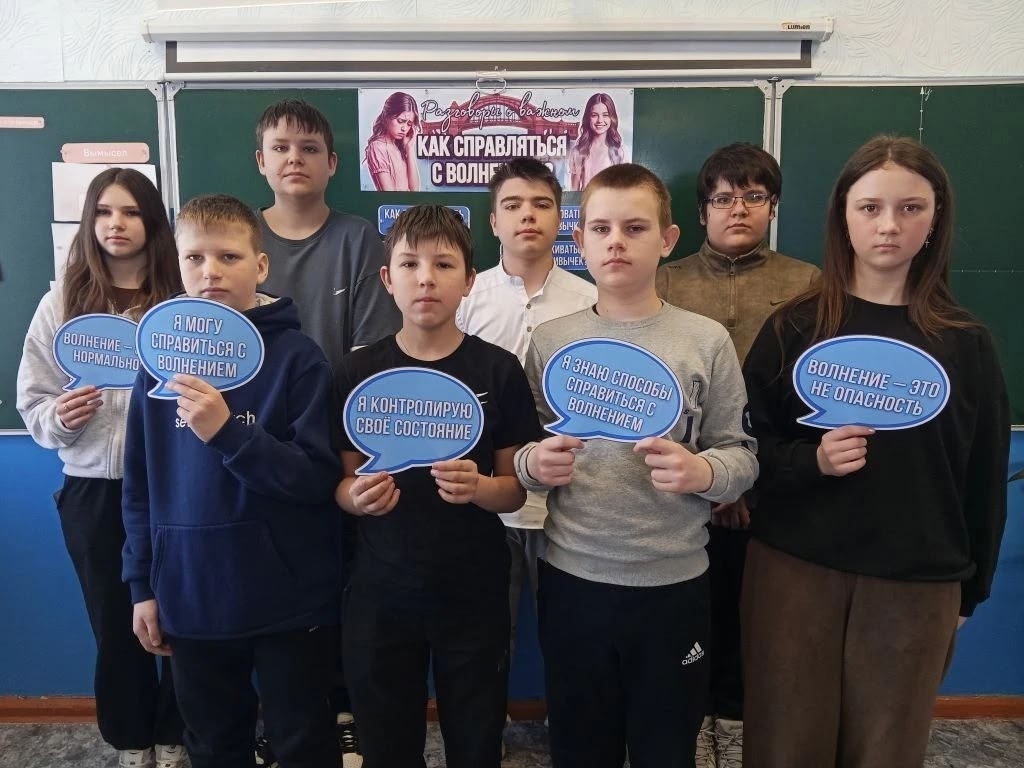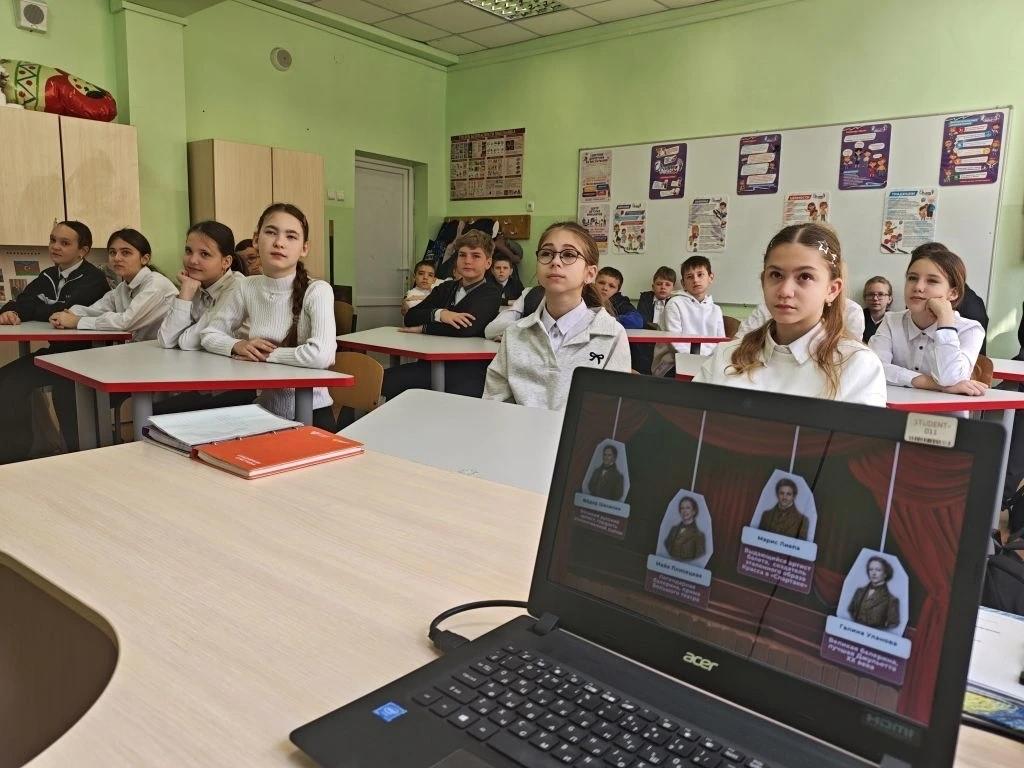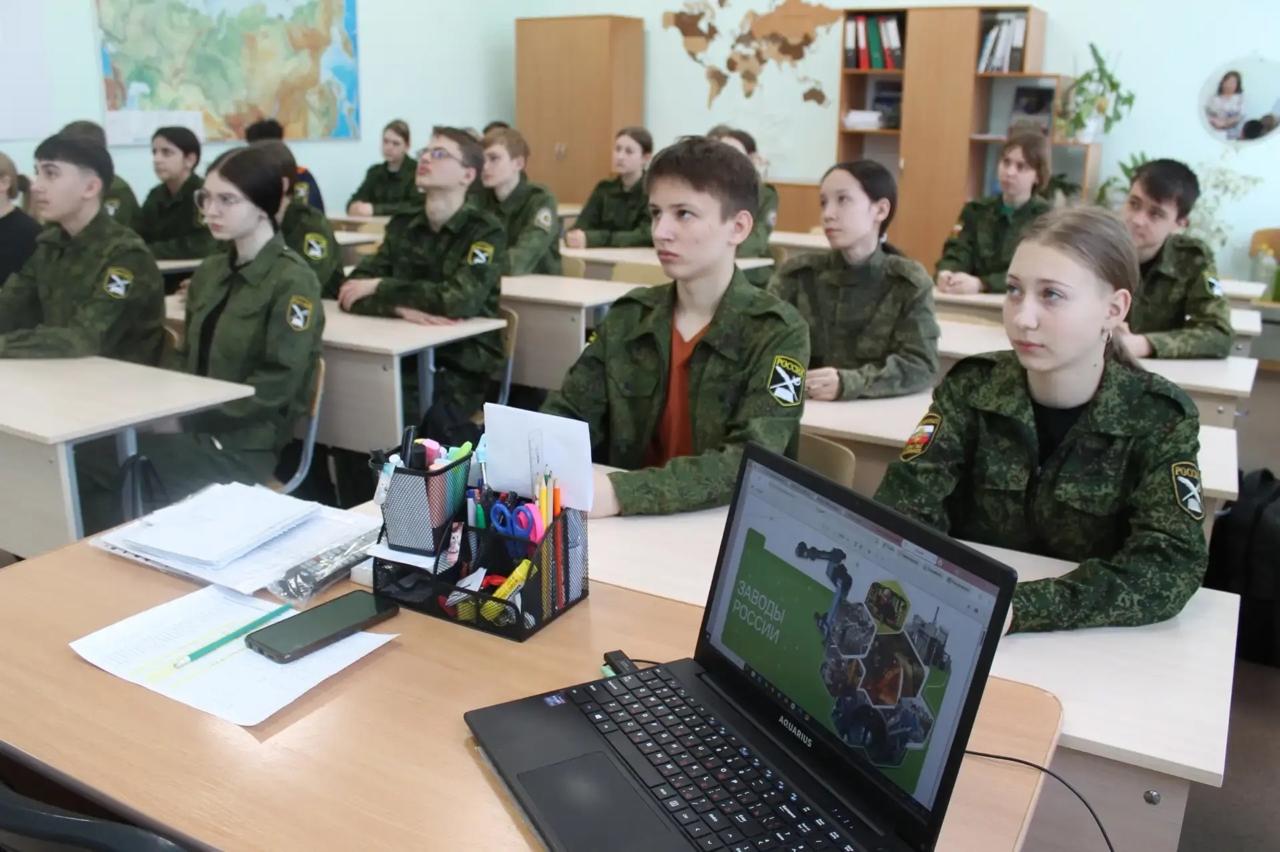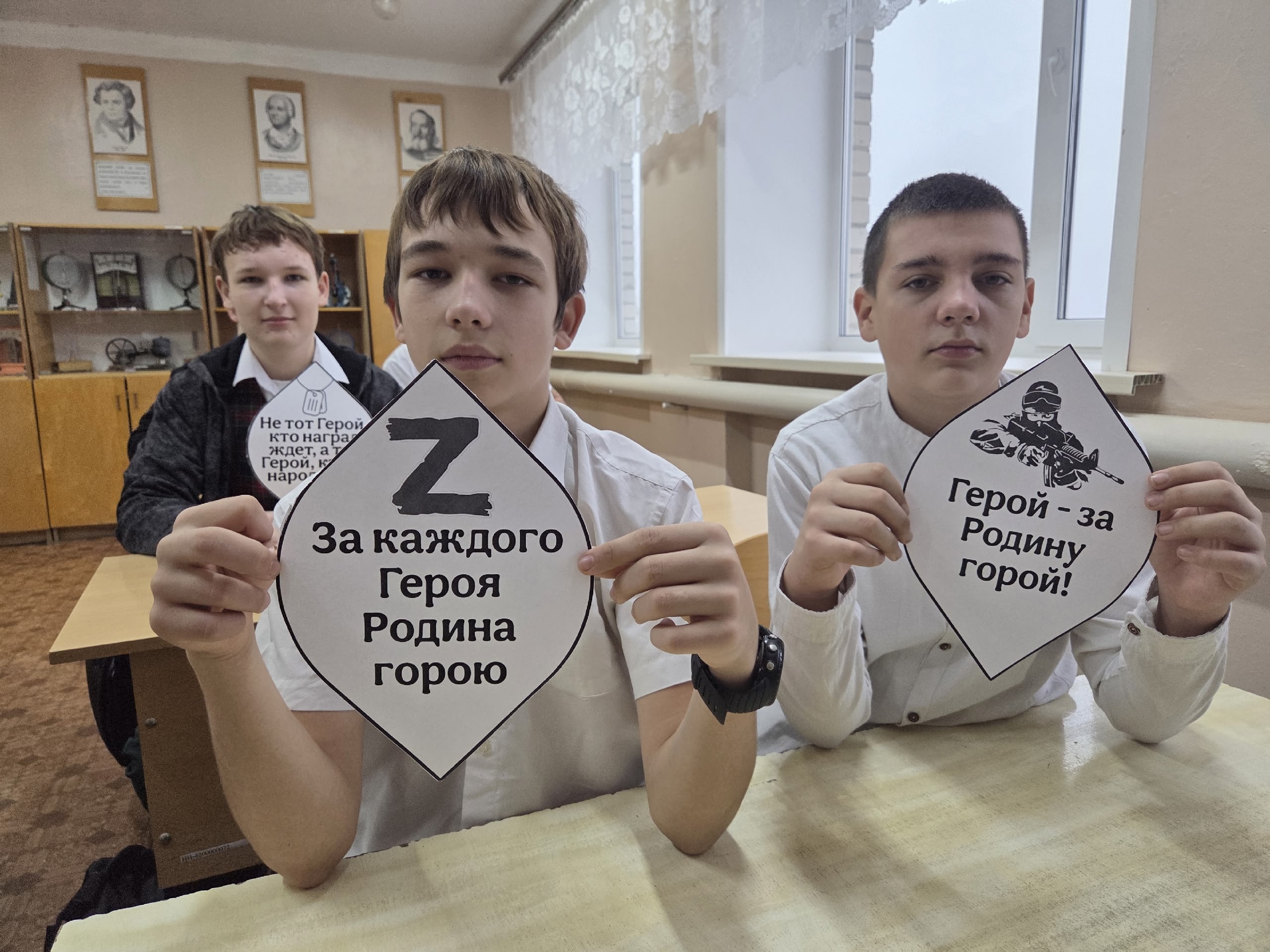
Another “Conversations About Important Things” lesson was held in Russian schools under the theme “Russia — a country of winners.” The lesson was dedicated to Heroes of the Fatherland Day, celebrated on December 9. Students were told who “true heroes” are and were presented with the idea of the invincibility of the Russian people.
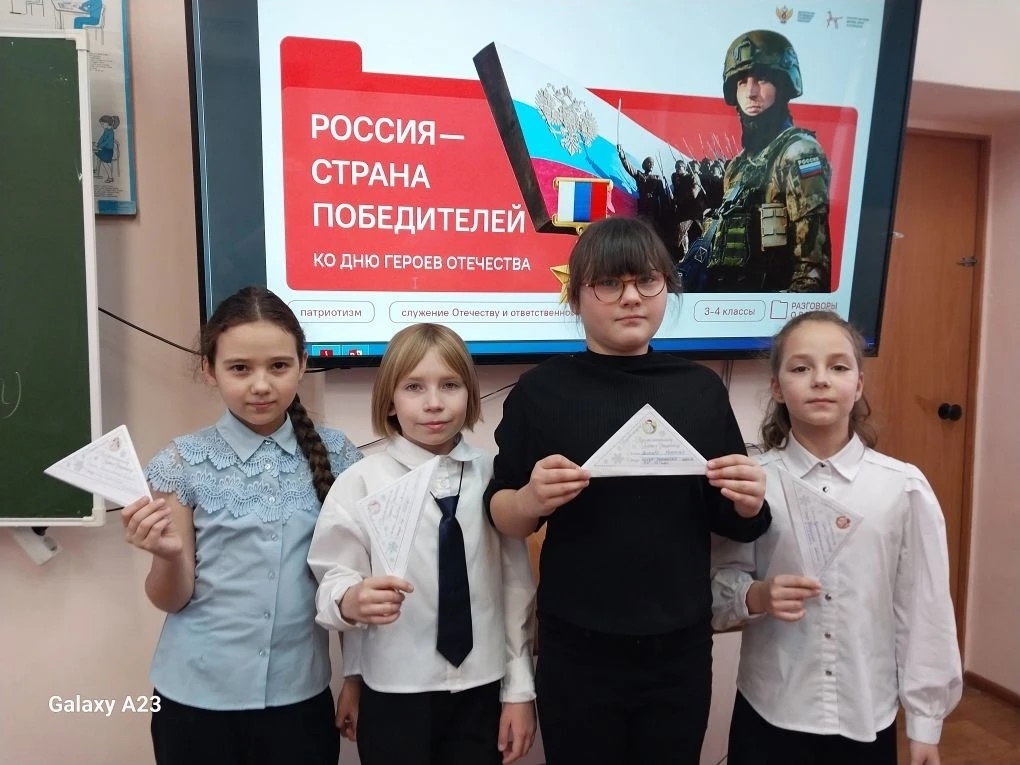
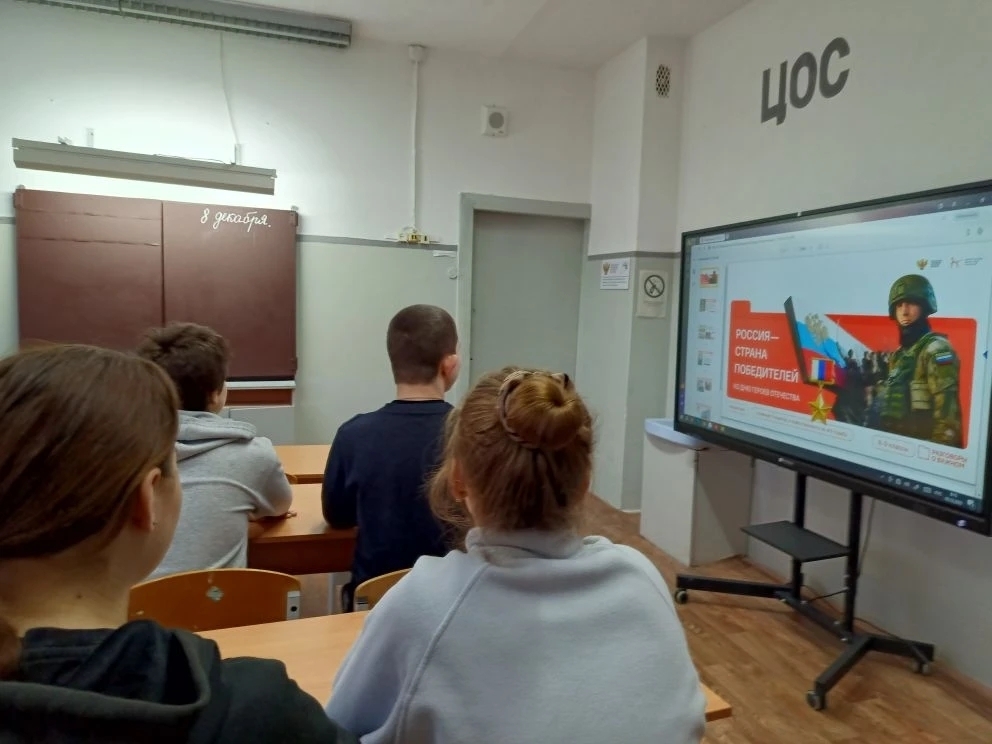
All students were required to watch a video in which participants of the war against Ukraine were equated with Russian military commanders and other historical figures. According to the script, the teacher emphasizes that throughout history Russia has fought many battles, but has always emerged victorious.
“Thanks to self-sacrifice, perseverance, and strength of spirit, our compatriots—on the front lines, in the rear, and even in peaceful times—have defended and continue to defend the independence of our country,” — the teacher says.
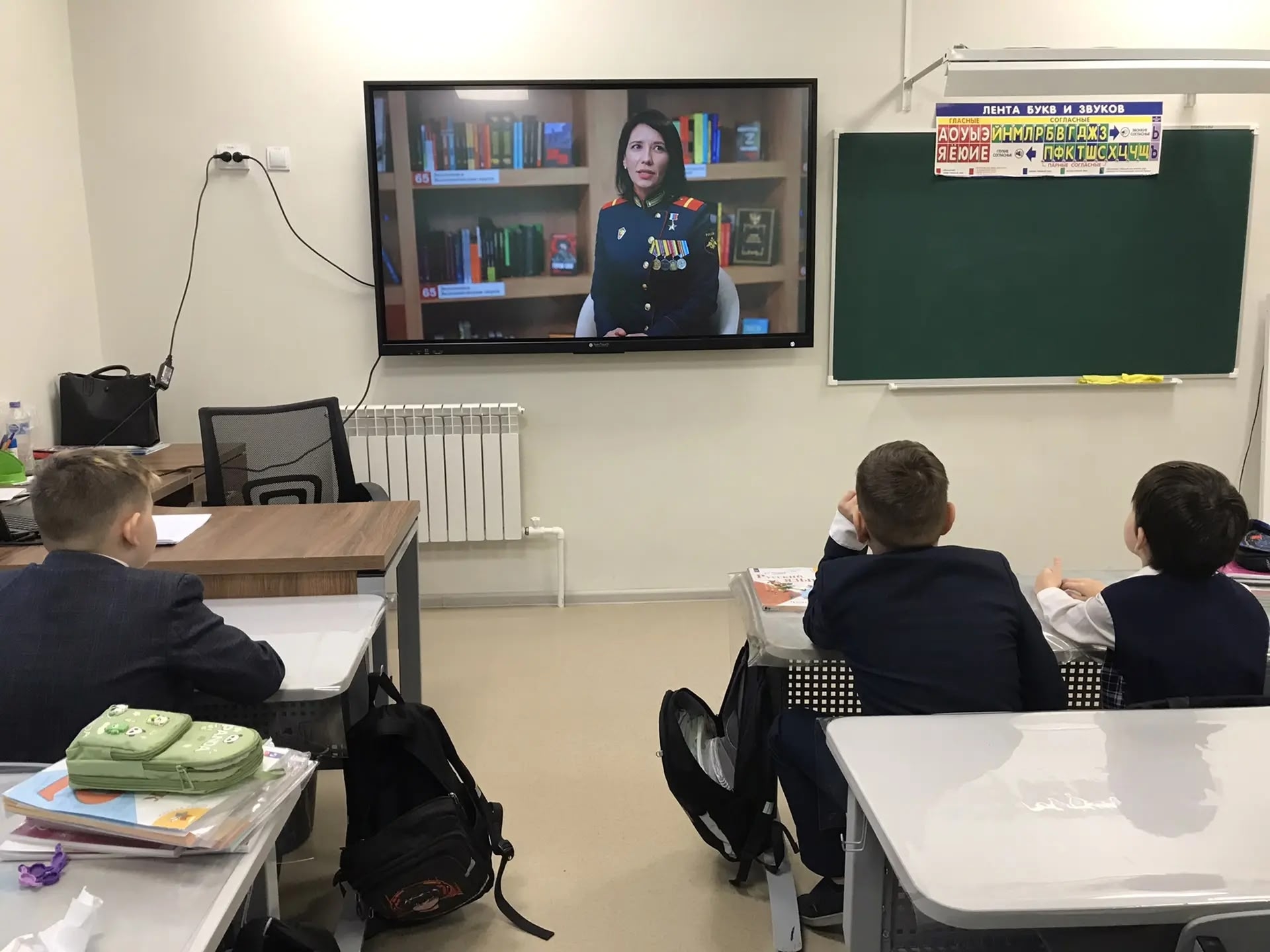
Students were also shown an interview with nurse and participant in the “SMO,” Lyudmila Bolilai, who reportedly saved a wounded soldier by shielding him with her body during shelling. In the interview, she says that, even without watching TV, she understood that “a war was underway” and went to the military enlistment office.
“They are patriots of their country, they are our defenders. They are just boys and girls like us,” — Bolilai tells students when asked who the participants of the “SMO” are.
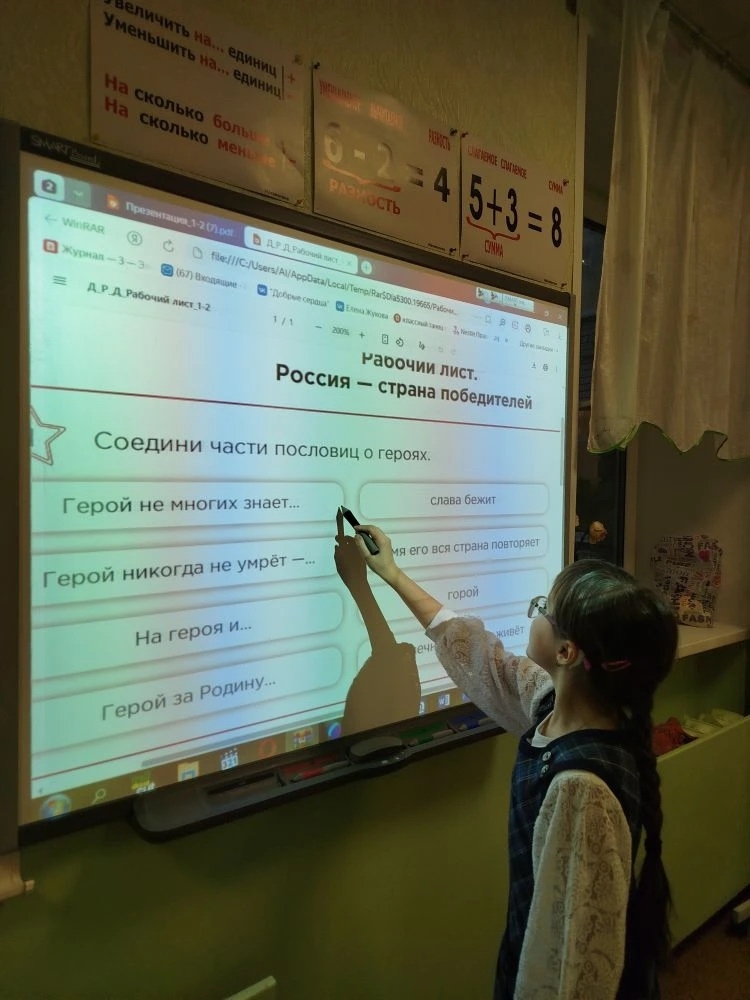
Younger students were told that “a true hero is ready to sacrifice their life to save others.” From grade 8 onward, the lesson included an interactive task called “Phrases of Heroes,” where students had to match famous quotes with their authors. Among them were phrases like “This is for the guys” and “Get to work, brothers.”
In grades 8–9, students were presented with VTsIOM statistics claiming that “an overwhelming majority of Russians would be ready to become heroes in the face of a serious threat,” and that “92% of young people aged 15–25 say they are ready to help.”
Students in grades 10–11 were again shown a fragment from Nikita Mikhalkov’s Besogon TV, where the director describes soldiers as “true heroes,” contrasts them with mass culture, references pro-war correspondent Yevgeny Poddubny, and emphasizes that it is better to die than to surrender.
“He says this with a gun to his temple that will fire in a second and kill him. … This is not Hollywood. This is a real confrontation between life and death, where death is chosen rather than surrender.”