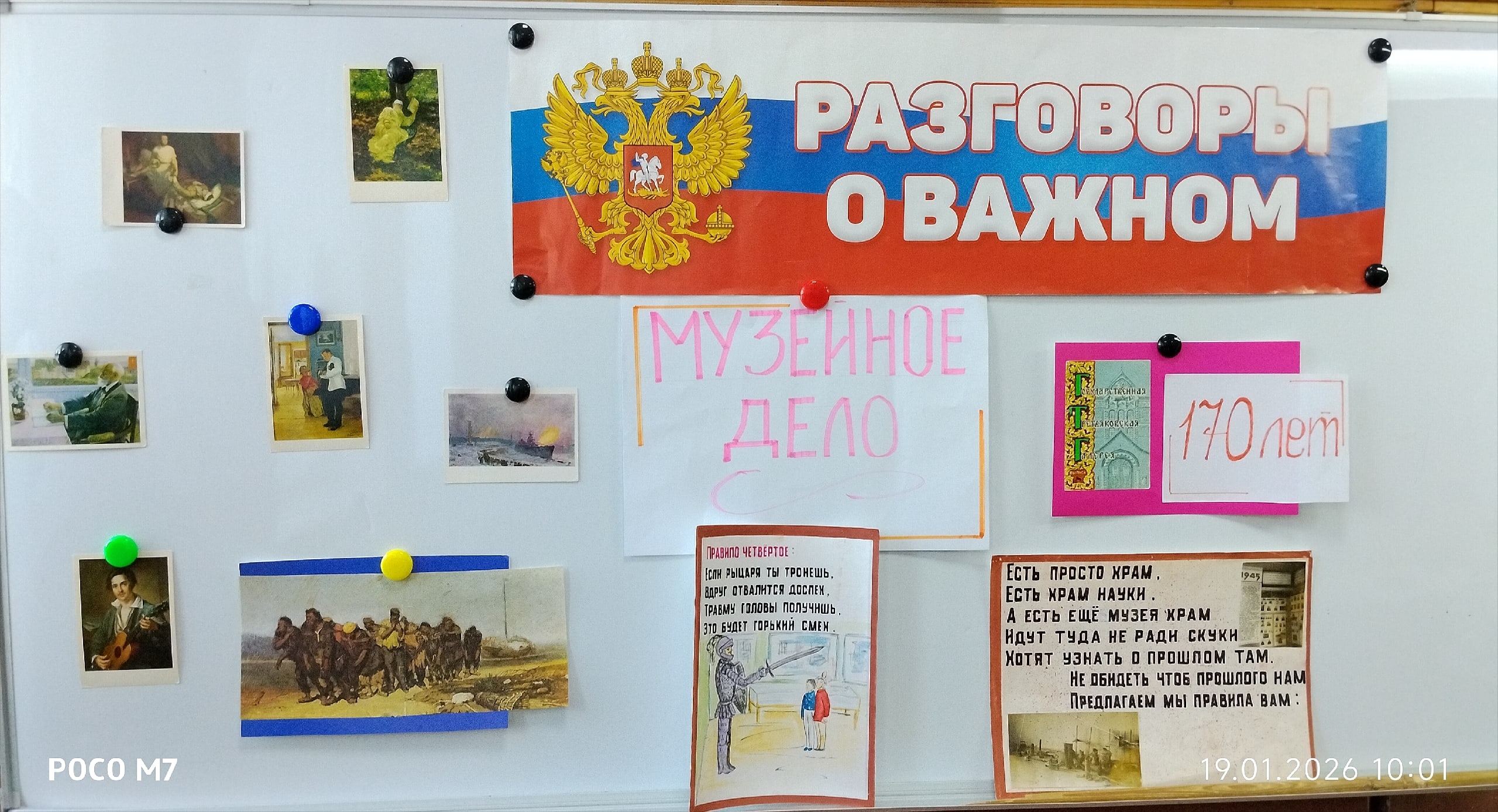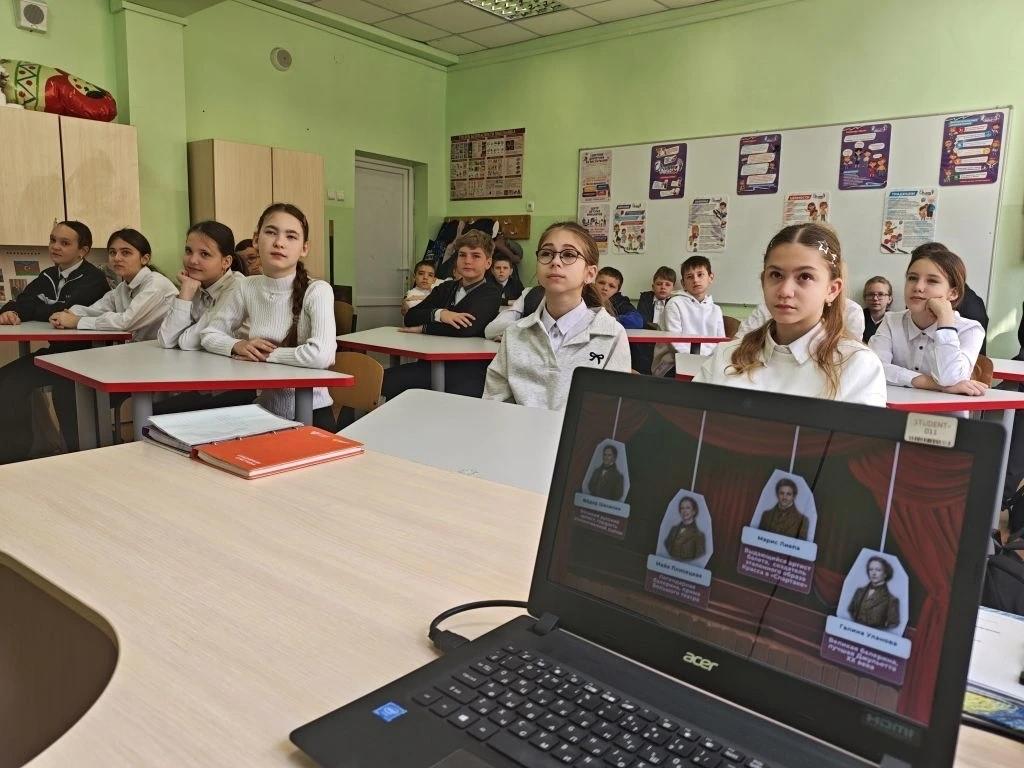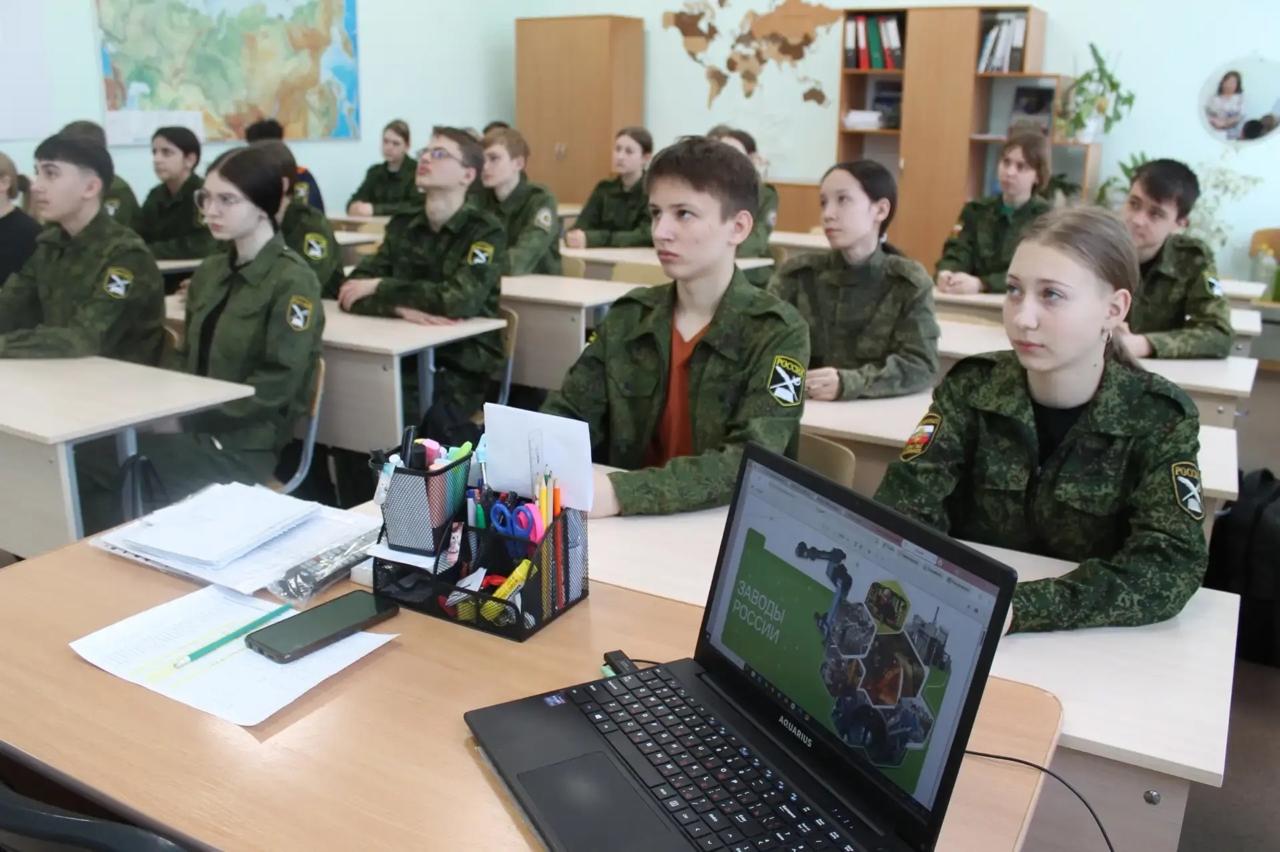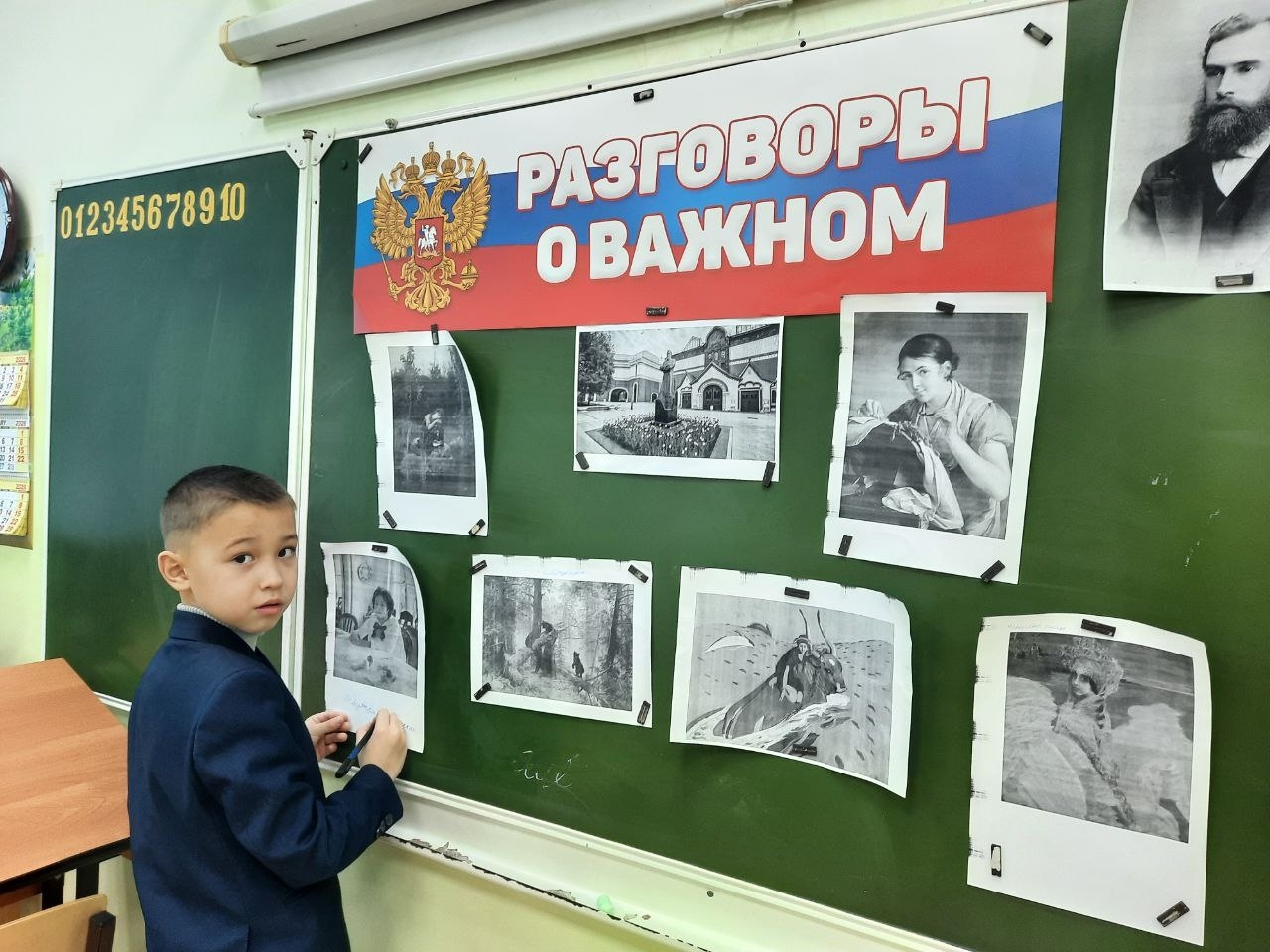
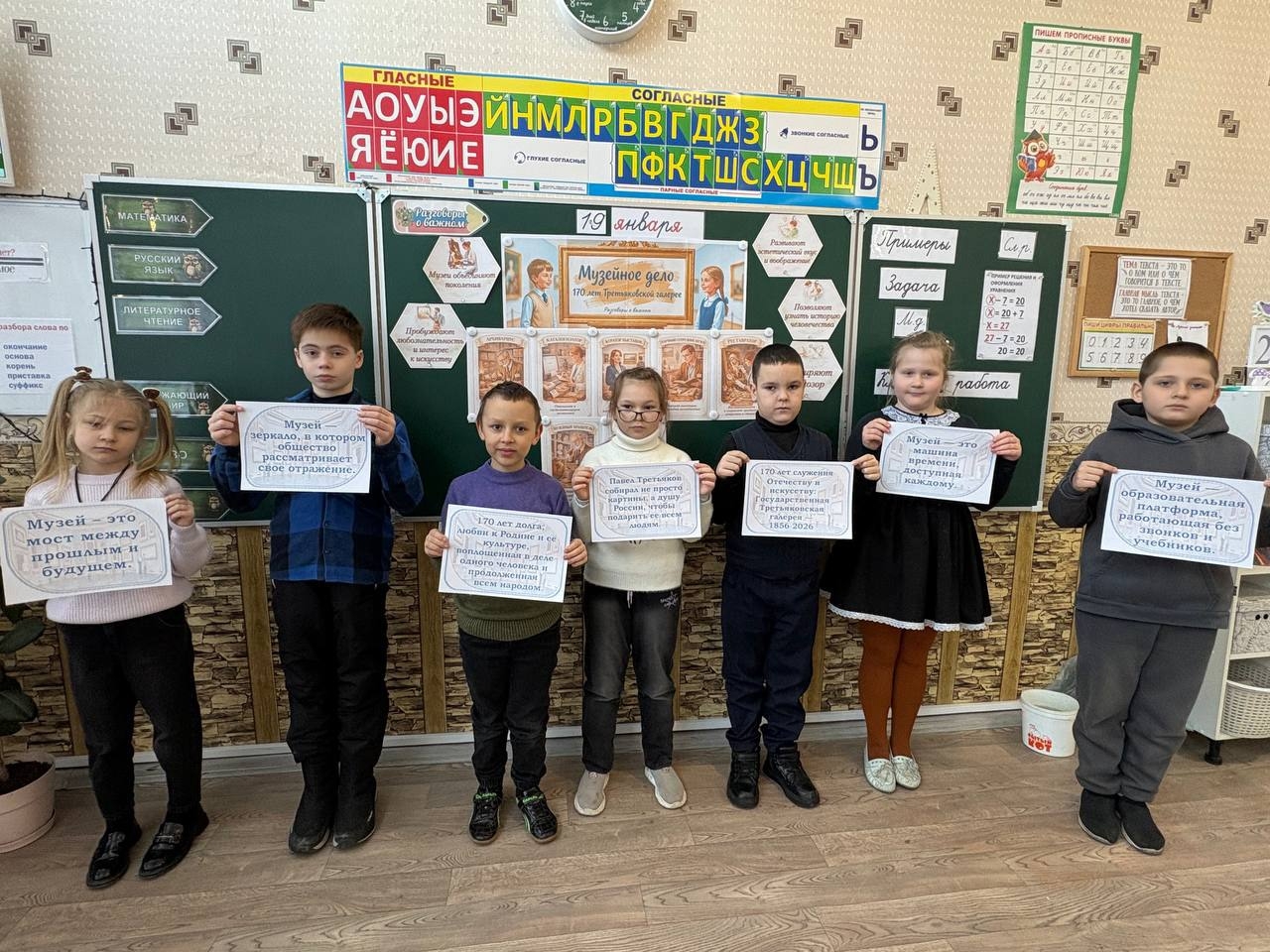
Another lesson from the “Conversations About Important Things” series was held in Russian schools. This time, it was dedicated to the 170th anniversary of the Tretyakov Gallery. According to the teaching materials, the lesson aimed to instill in students the values of “service to the Motherland” and the primacy of the spiritual over the material. In the script, the museum is presented not simply as a cultural institution, but as a “living testament to service to the Motherland.”
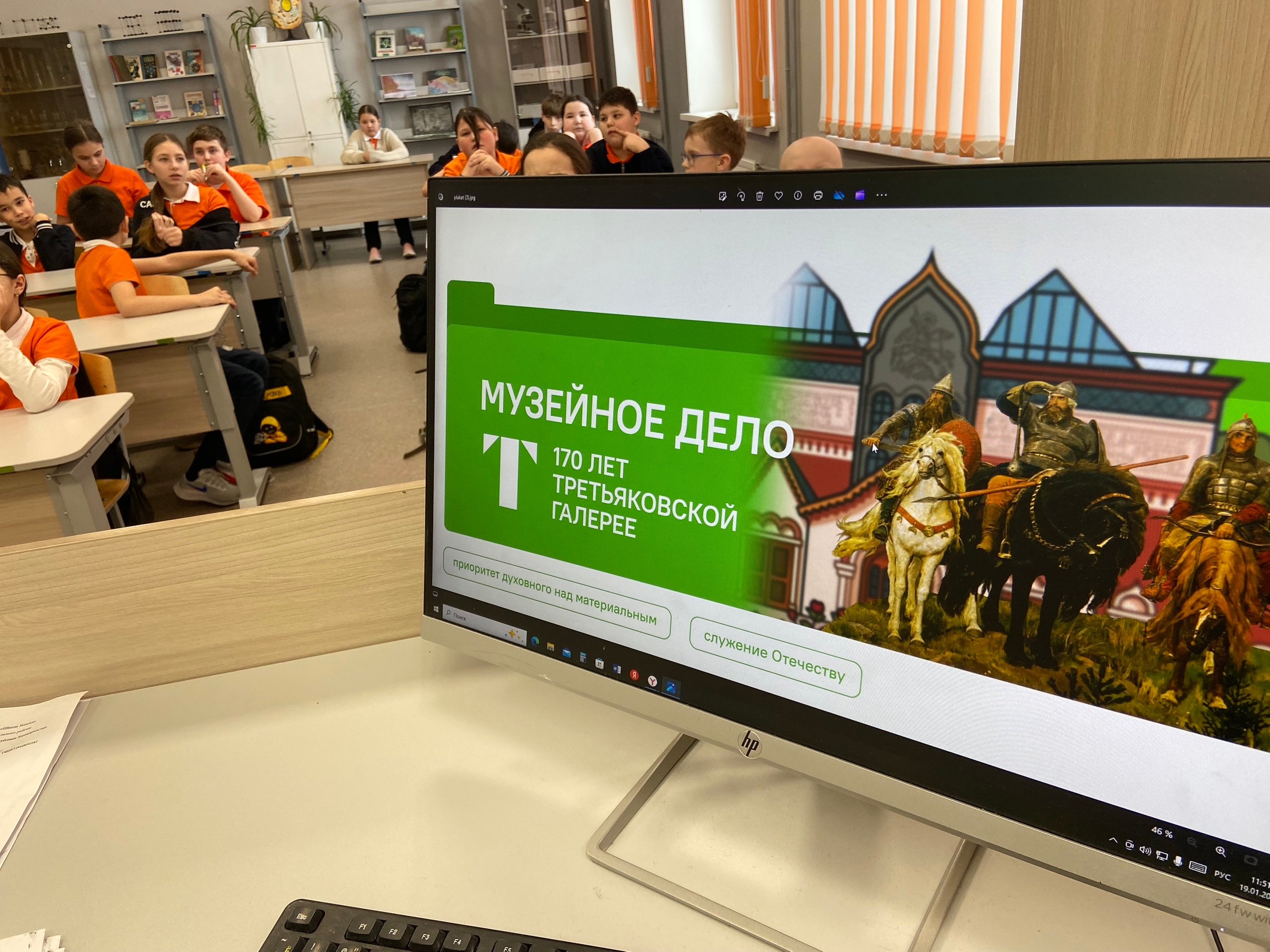
Particular attention was given to the museum’s work during World War II. Students were told about the evacuation of artworks to other regions of Russia and were asked to reflect on whether the employees of the Tretyakov Gallery performed a feat during the war and whether they could be considered heroes.
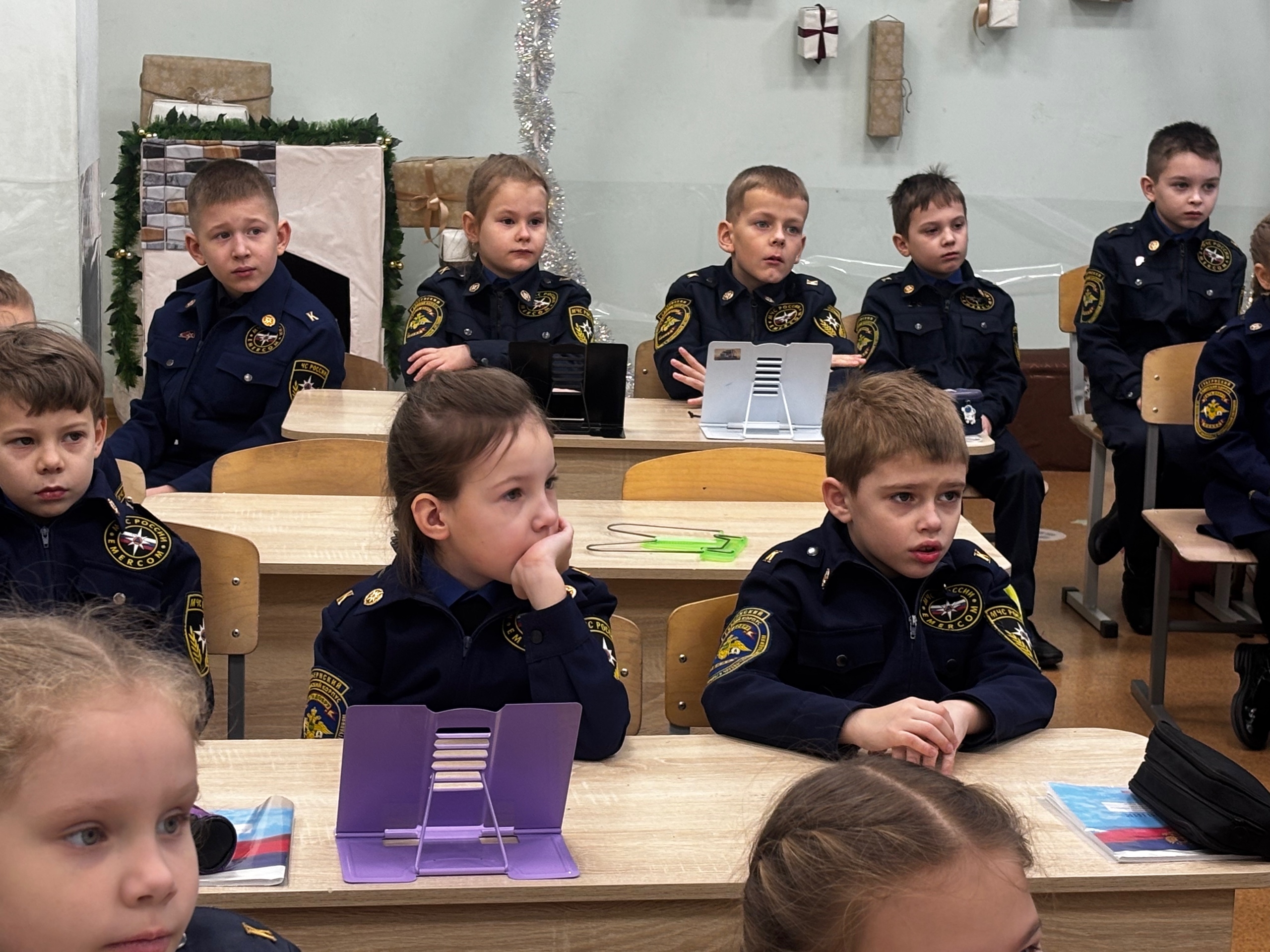
Teachers were also encouraged to discuss what qualities define “true heroes at all times” and to answer why preserving historical memory through cultural heritage is no less important than defending the country’s territory and the lives of its citizens.
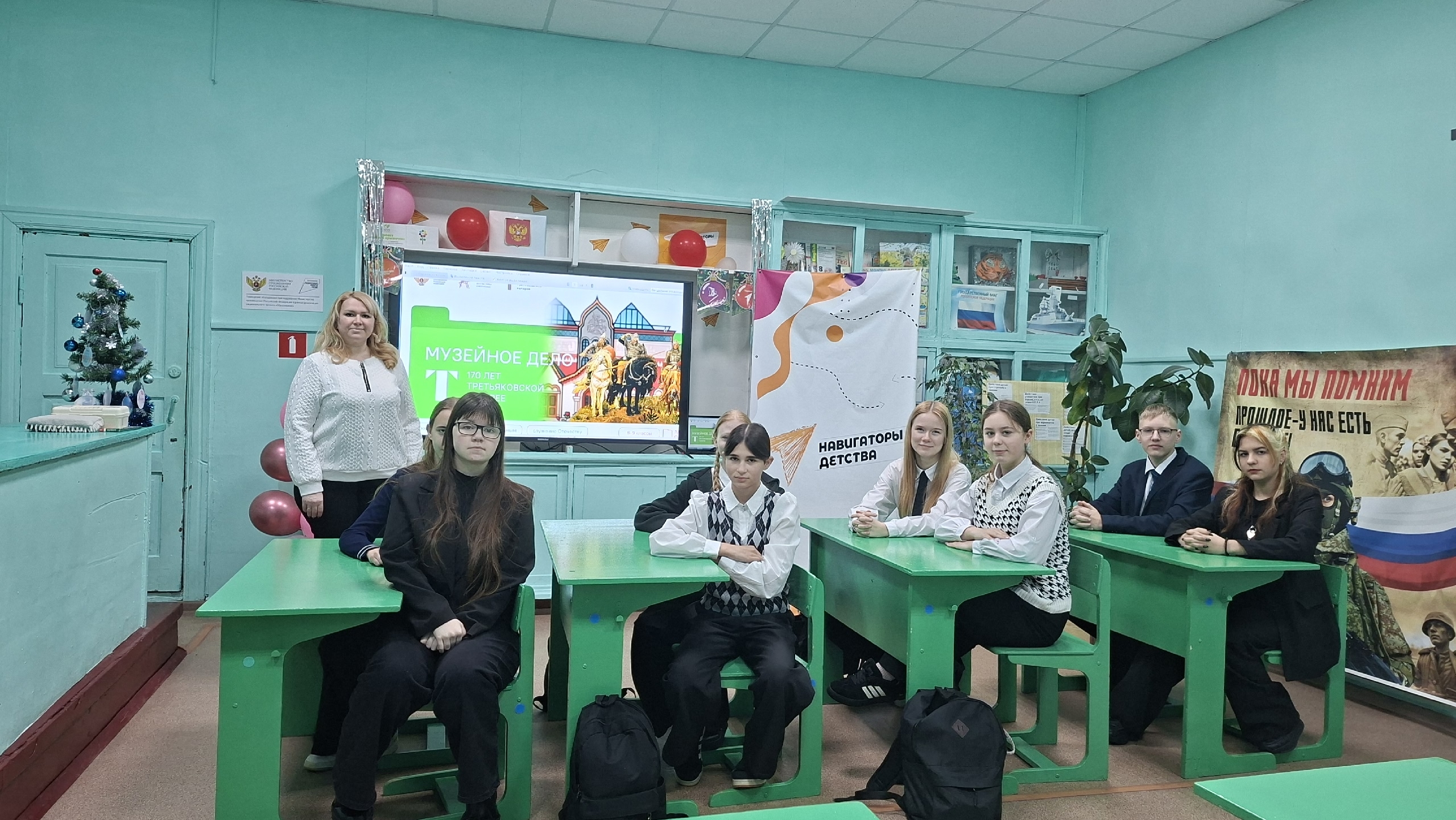
According to the authors of the materials, it is precisely “faith in good, reverence for heroes, and the primacy of the spiritual over the material” that make Russian culture attractive “to people all over the world.”
“Russia is a state that has created a great culture, which for centuries has passed on the spiritual experience of the nation to new generations and strengthened the country’s authority in the world,” — the teacher says.
Older students were also shown a fragment from Nikita Mikhalkov’s program Besogon TV. As additional material, the lesson authors recommend a film by the Movement of the First about the Tretyakov Gallery. In it, a guide—played by Pavel Tabakov—says that “while others invested in Western stars, Tretyakov invested all his resources in Russian artists.” Viktor Vasnetsov’s painting “The Three Bogatyrs” is described in the film as “not just a painting, but a manifesto.”