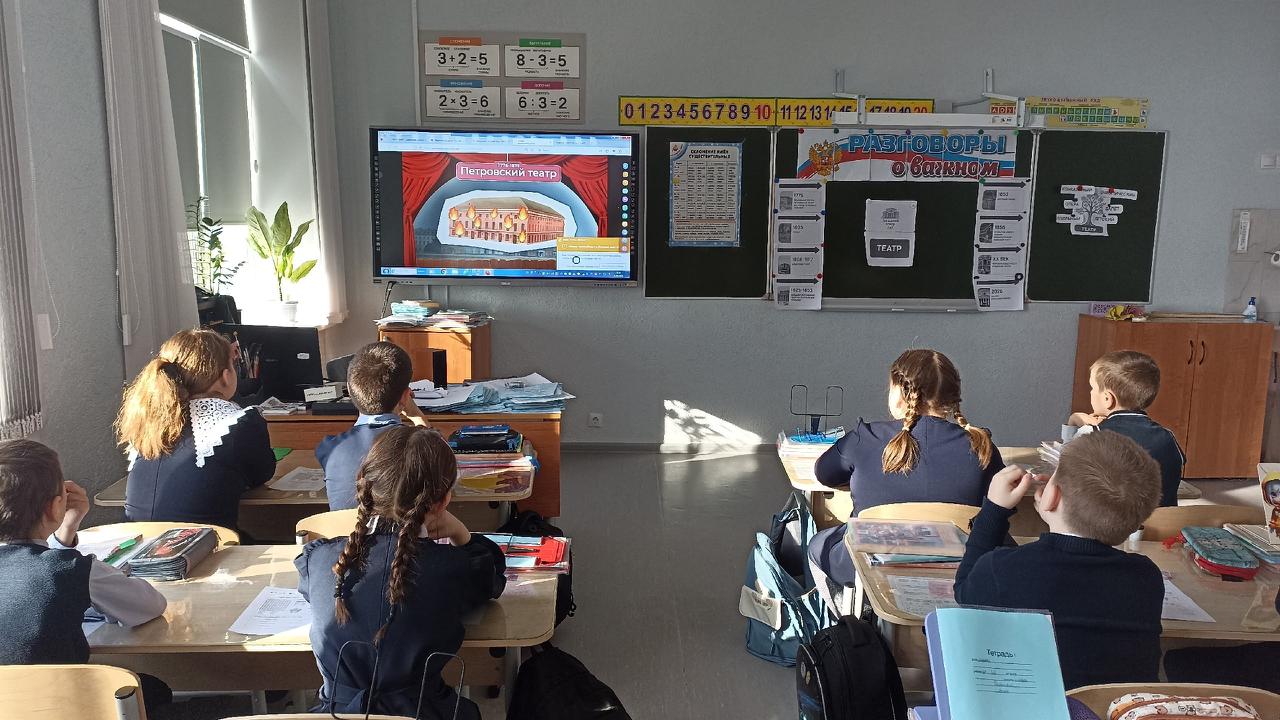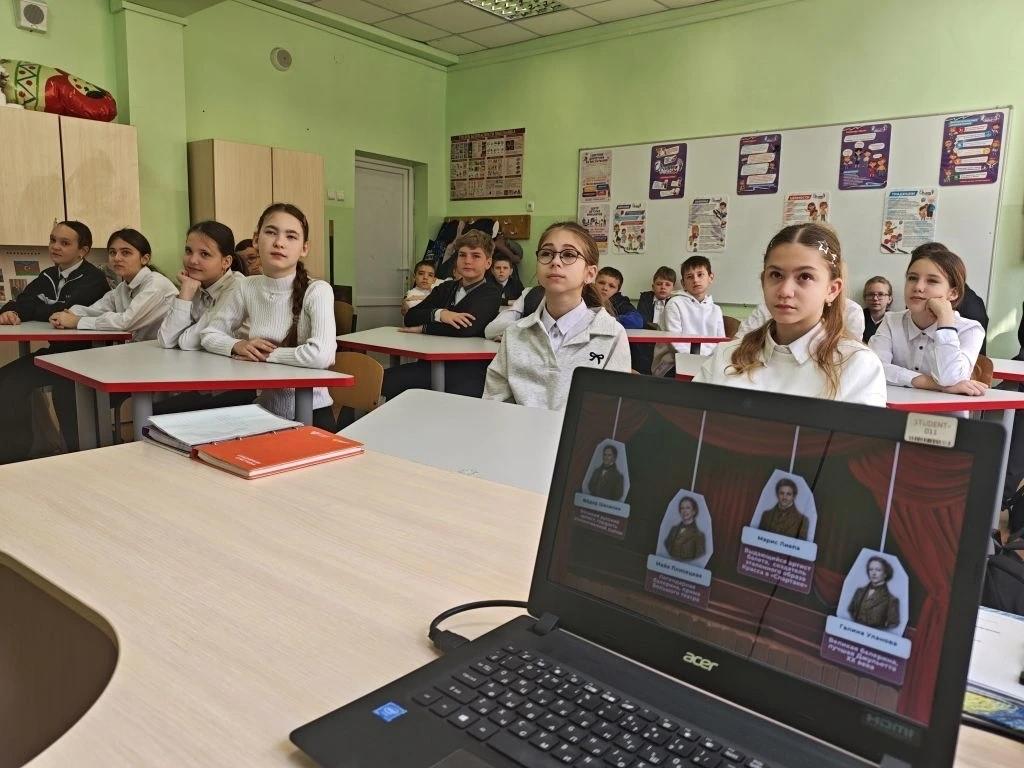
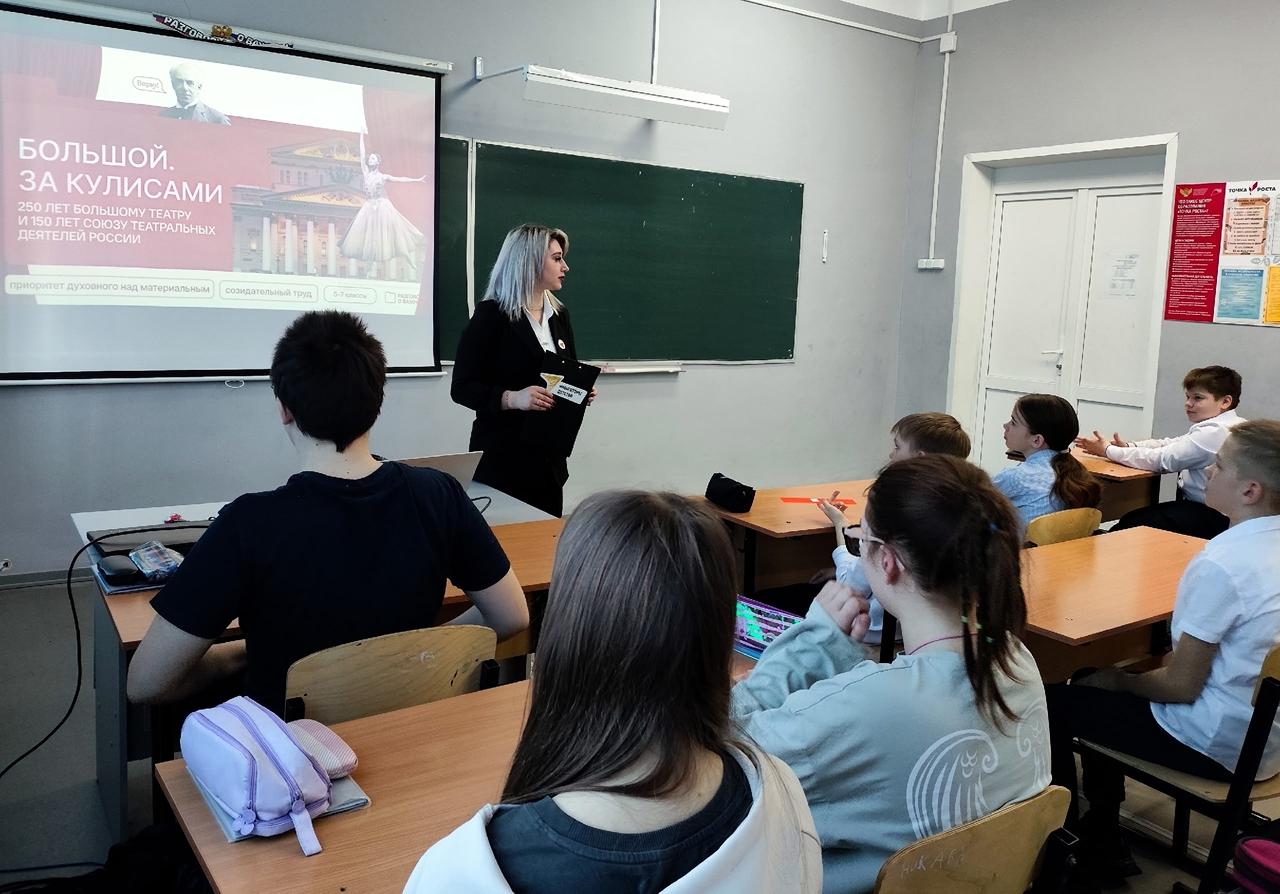
Today, Russian schools held another session of “Conversations About Important Things”. As part of a lesson on the Bolshoi Theatre, students were told about its history, global recognition, and significance for the country, as well as the idea that theater is not only art but also a space for “spiritual enrichment,” creative labor, and collective service to culture.
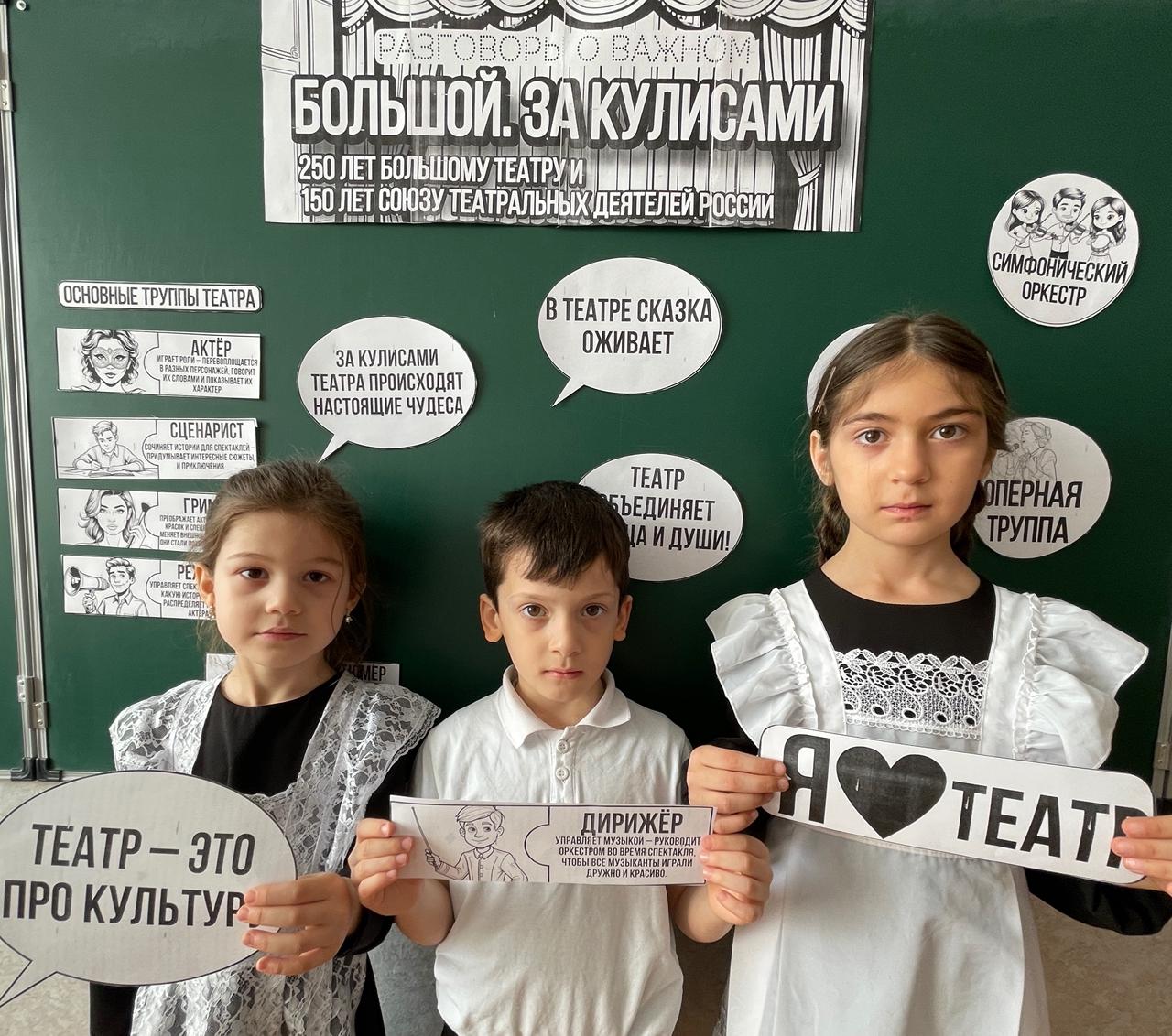
According to the lesson script, teachers described the Bolshoi Theatre as a national treasure and one of Russia’s key symbols, calling it a place where historical memory and continuity between generations are preserved.
Students were shown an interview with Bolshoi Theatre director and Putin confidant Valery Gergiev. He stated that the ballet “Romeo and Juliet” is considered Russian despite being written by a foreign author, and spoke to children about the concept of service:
“One can serve the theater, one can serve the country, one can serve traditions.”
Older students were shown a fragment from the program Besogon TV, in which Nikita Mikhalkov argues that greatness never becomes outdated, no matter what new technologies emerge.
“By rejecting everything that people who created our country and our history believed in, we deprive ourselves of a future — and that is probably the worst thing that can happen. It seems strange only to those who think about it. The fearlessness of the unthinking is madness,” — says Mikhalkov.
As additional material, students are encouraged to watchthe film “Cultural Rear Workers.” In the film, a Siberian writer speaks at a concert opening in Irkutsk, telling stories about wartime life in the city and the importance of cultural life during the war.
“Those on the home front have a different kind of war. Talent inspired hope and motivated people to acts of heroism,” — the writer tells the audience.
Subtitles in the film note that more than 200,000 people took part in Irkutsk’s cultural activities during the war years.