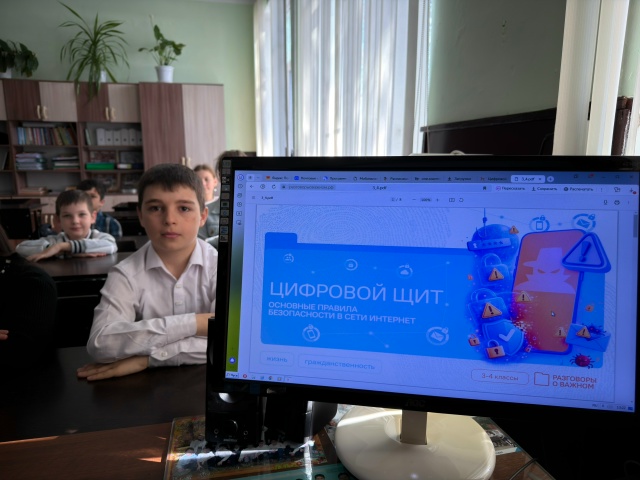
Today, during “Conversations About Important Things” lessons in Russian schools, children were told not only how to avoid becoming victims of fraud, but also that it is impossible to fully hide online, and that any user “can always be found.”
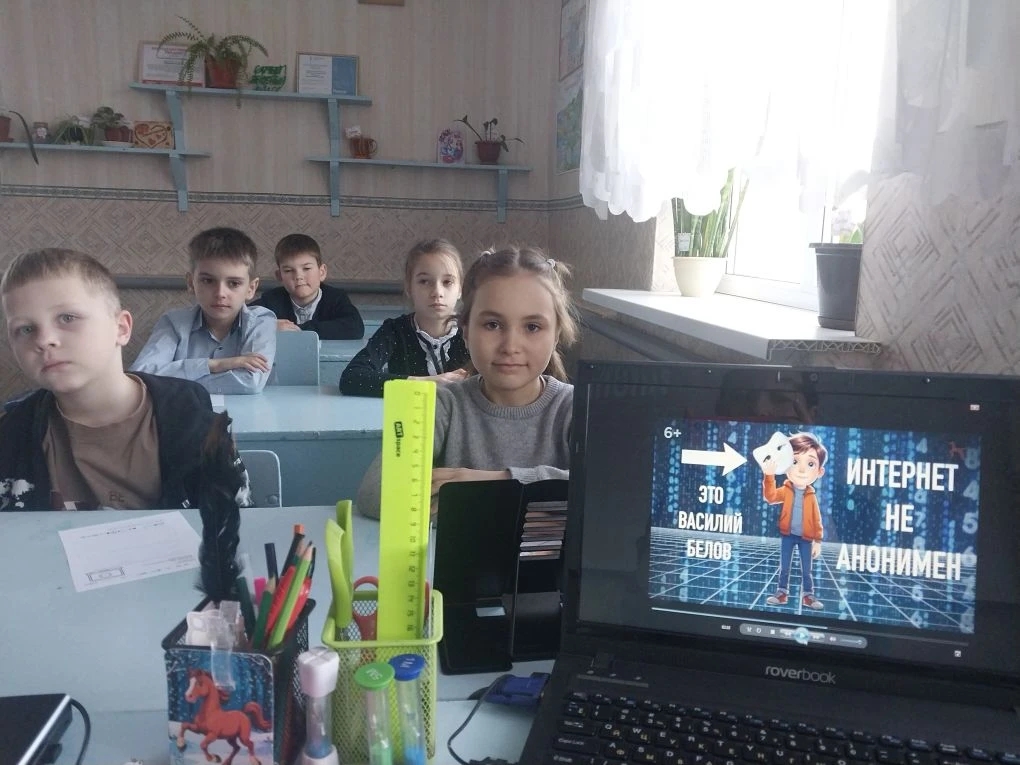
Students were told that online scammers “specifically target teenagers,” and that many end up becoming accomplices in crimes. As an example, children were told the story of an 18-year-old who was deceived by scammers and now faces up to 20 years in prison under the article “terrorist act.”
“The more time we spend online, the higher the risks — from simple data leaks to real prison sentences for involvement in criminal schemes,” — a line from the teacher’s script.
Younger students were separately introduced to the concept of “digital sovereignty,” described as necessary “for the development of the state.” They were then shown a cartoon about nine-year-old Petya and ten-year-old Nadya, who, after responding to seemingly harmless requests from scammers, became accomplices and were tracked down by the police.
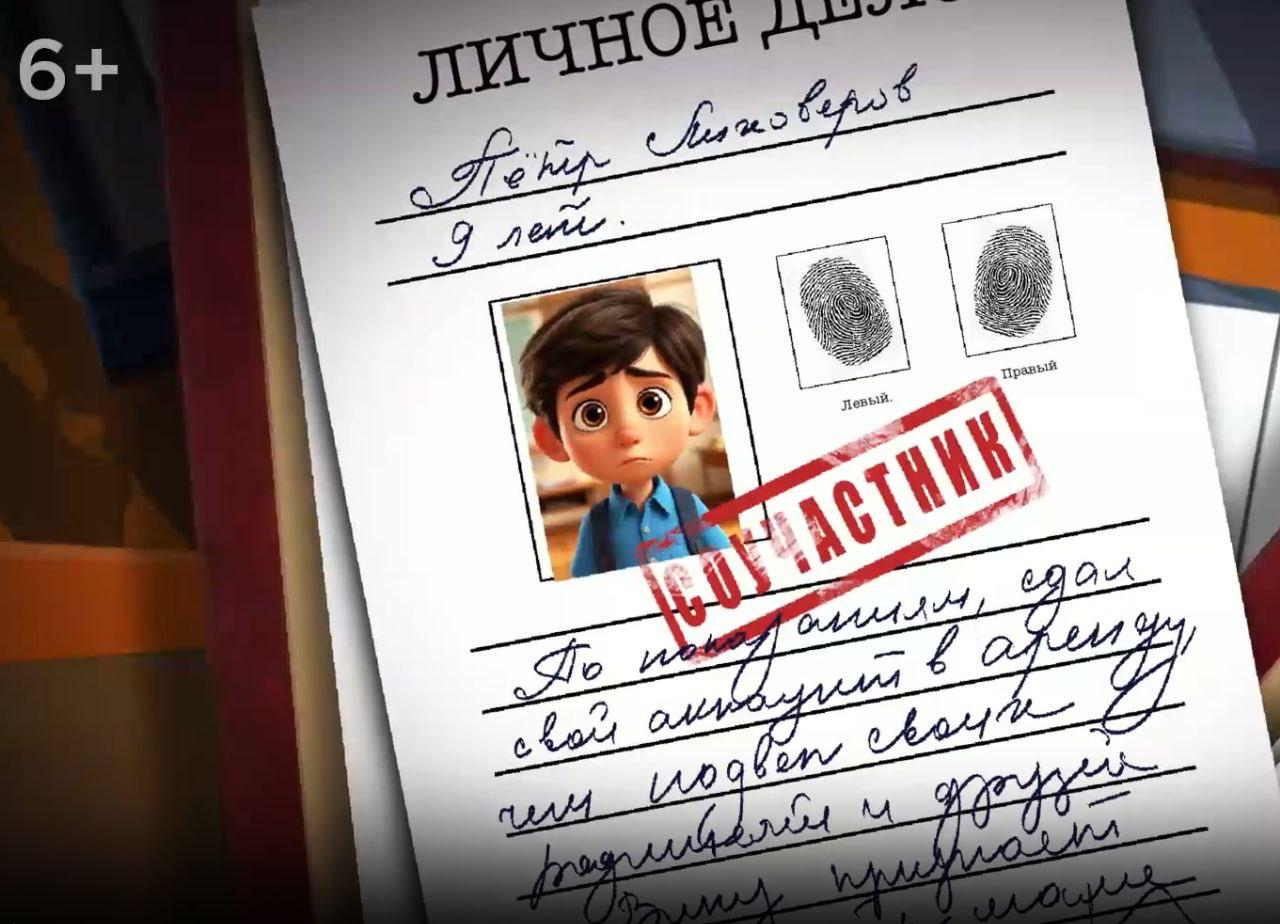
Students were told that any message online is “like a footprint in fresh concrete”: it cannot be fully erased, and even private chats in messengers remain accessible — meaning that law enforcement agencies “see and hear everything.”
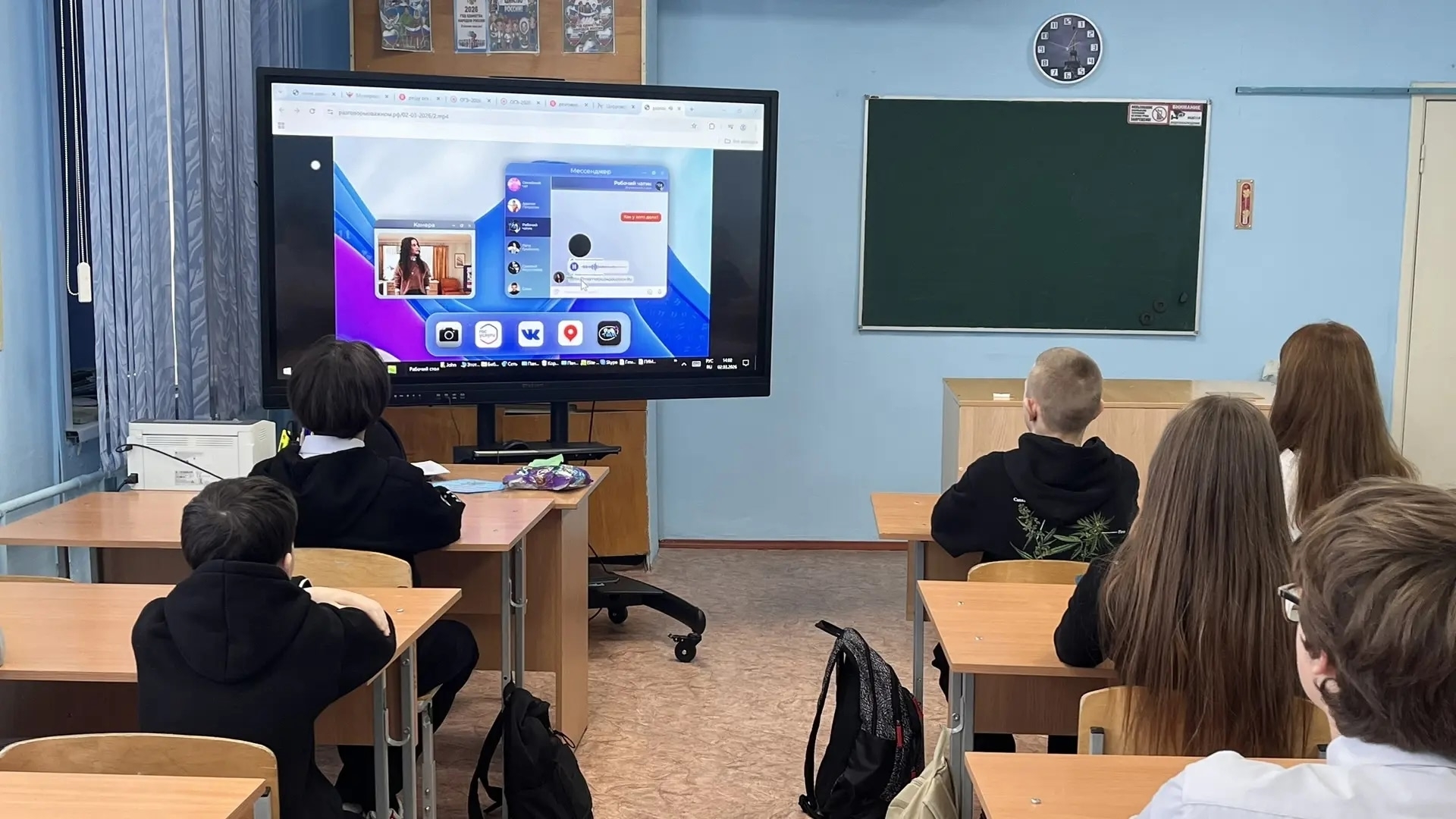
For older students, videos were shown featuring teenagers who had fallen victim to online scams, with their faces blurred. They were told that deleted messages can be recovered and that no one can escape responsibility before law enforcement.
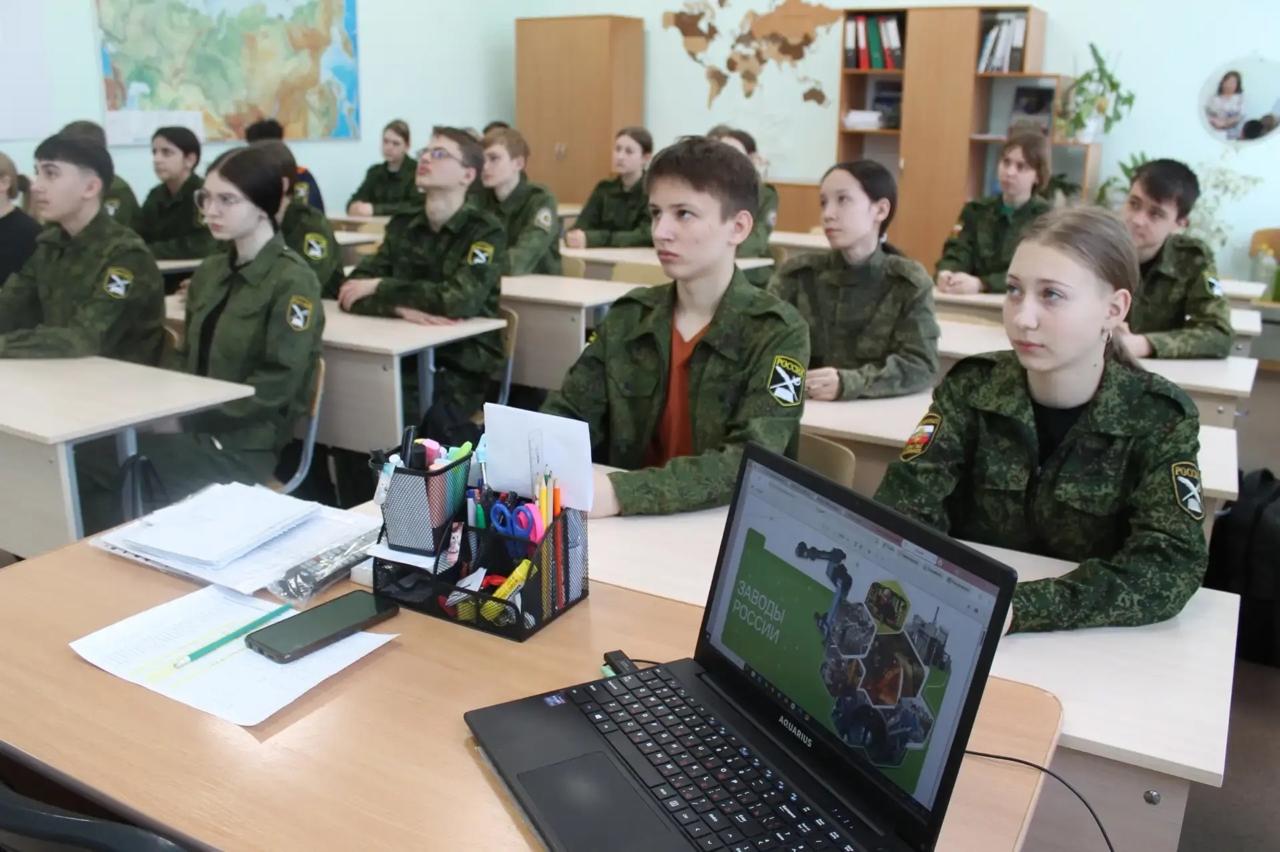
In colleges, students were encouraged to consciously affirm their civic identity, be capable of protecting the country’s sovereignty, and be ready to defend the homeland.