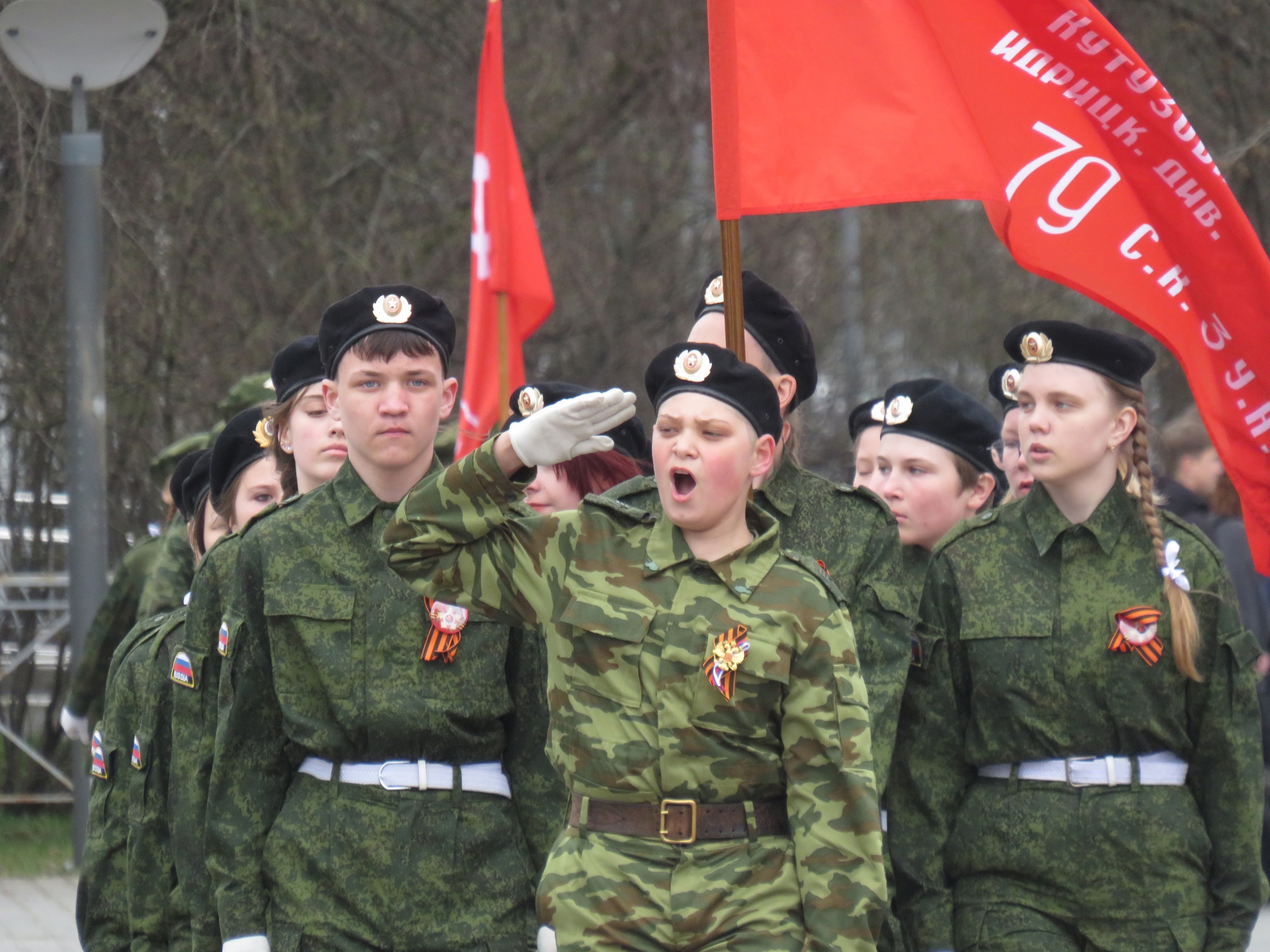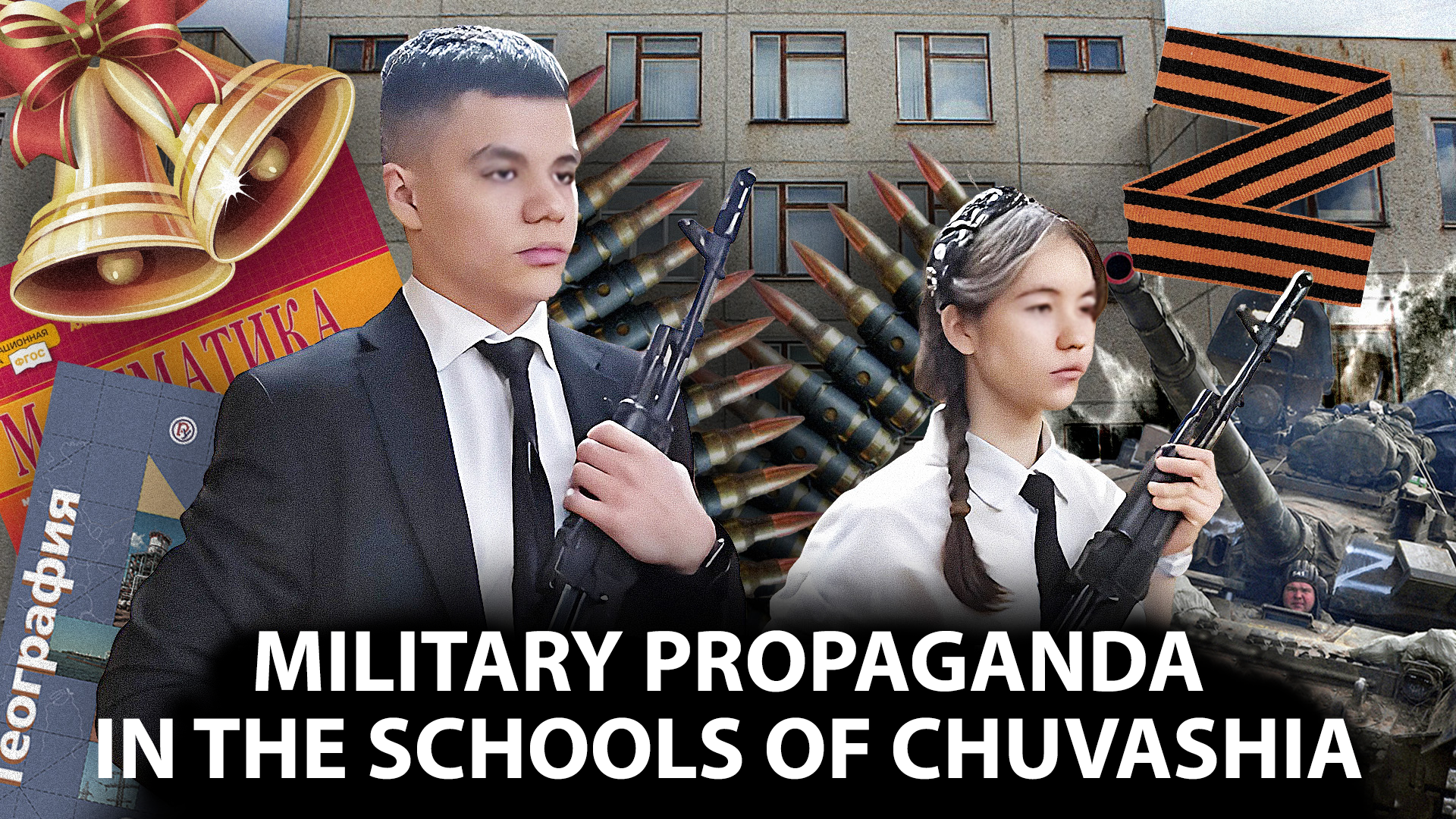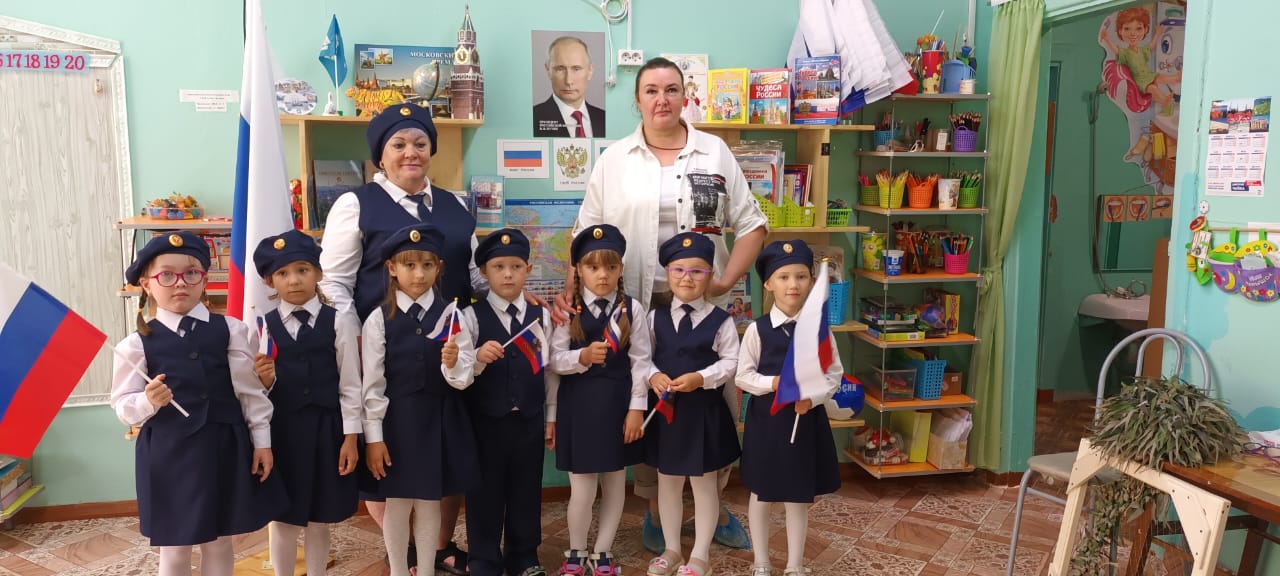
The Government of the Republic of Buryatia, together with the office of the Presidential Plenipotentiary Representative in the Far Eastern Federal District and the Ministry of Science and Higher Education of the Russian Federation, has developed a methodological guide titled “A Guide for a Good Kindergarten Teacher.” The document was created as part of a project of “seamless patriotic education” called “Where the Motherland Begins.”
The authors describe the guide not merely as recommendations, but as a “full-fledged tool for improving the quality of patriotic education for preschool children.”
The booklet opens with a portrait of Putin and his quote that “the foundation of the future is patriotism.” The guide consists of five sections and three appendices.
The Russian anthem as a “civic prayer”
The first section introduces key concepts: “ideology,” “propaganda,” “patriotism,” and “traditional Russian spiritual and moral values.” Propaganda is explicitly defined as “informing about ideology.” The authors suggest not being afraid of the term and compare it to promoting a healthy lifestyle, which they say “we certainly support.”
Special attention is given to the Russian national anthem, described as a “civic prayer.” Children and teachers are encouraged to treat singing the anthem as an act of collective unity.
“It was in Buryatia that the profound idea was first voiced: the Russian anthem is a civic prayer. When it plays, we all stand. Those who can sing do so, others recite the words silently. At that moment, we unite around our beloved Motherland.”
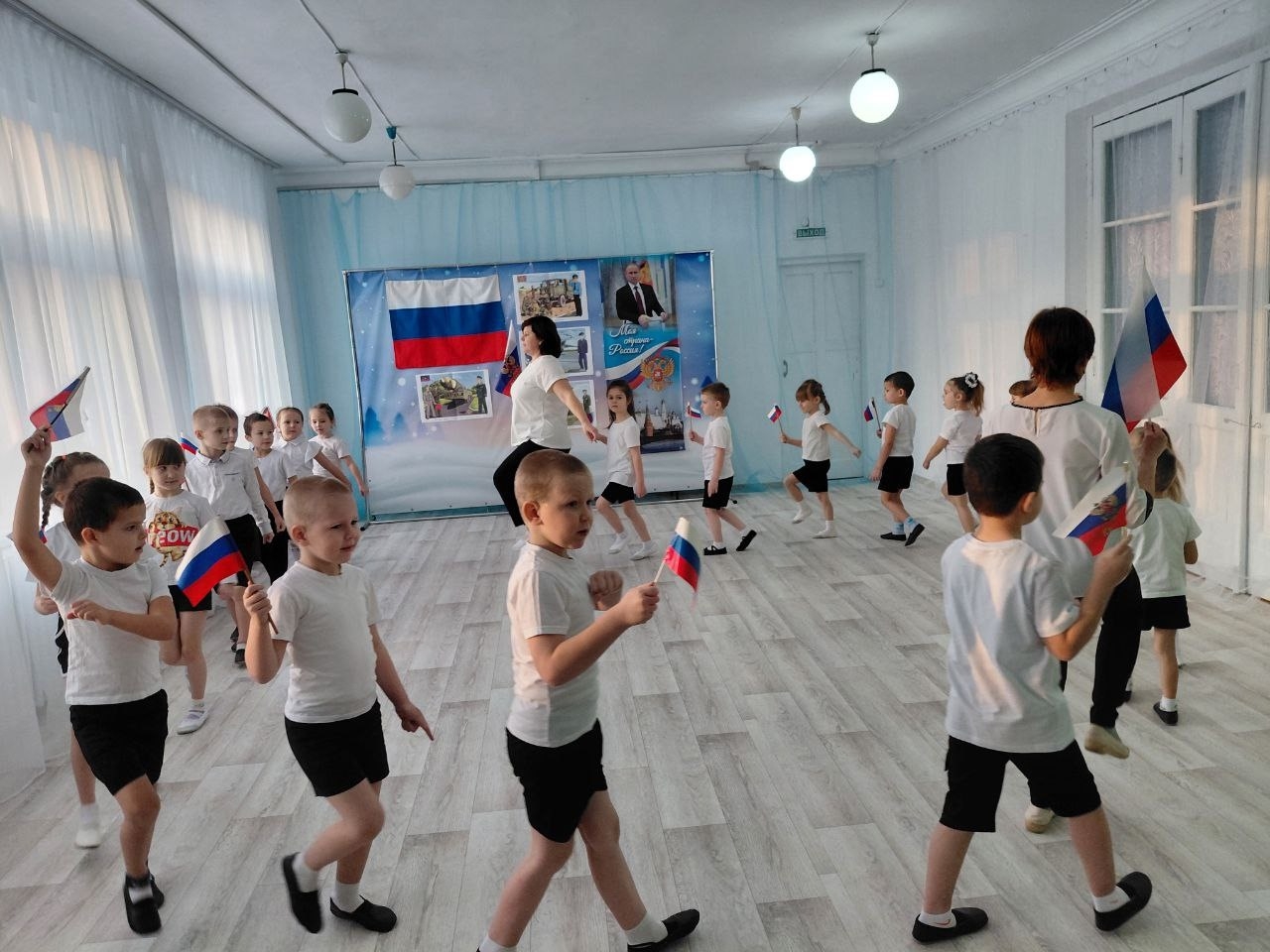
Raising not “armchair patriots”
The second section instructs educators to view all activities through a framework of “semantic decomposition”: informing → teaching → engagement → motivation, with motivation seen as the key outcome.
“Motivation is the most important element of patriotic education. We want to raise not ‘armchair patriots’ who love the Motherland abstractly from the comfort of their homes, but people who take practical actions for the benefit and development of the individual, society, and the country.”
A drunk hooligan with a gun is “good”
The third section focuses entirely on “traditional values.” Educators are encouraged not just to explain them, but to teach children to distinguish between good and bad actions and to internalize these values through play and interaction.
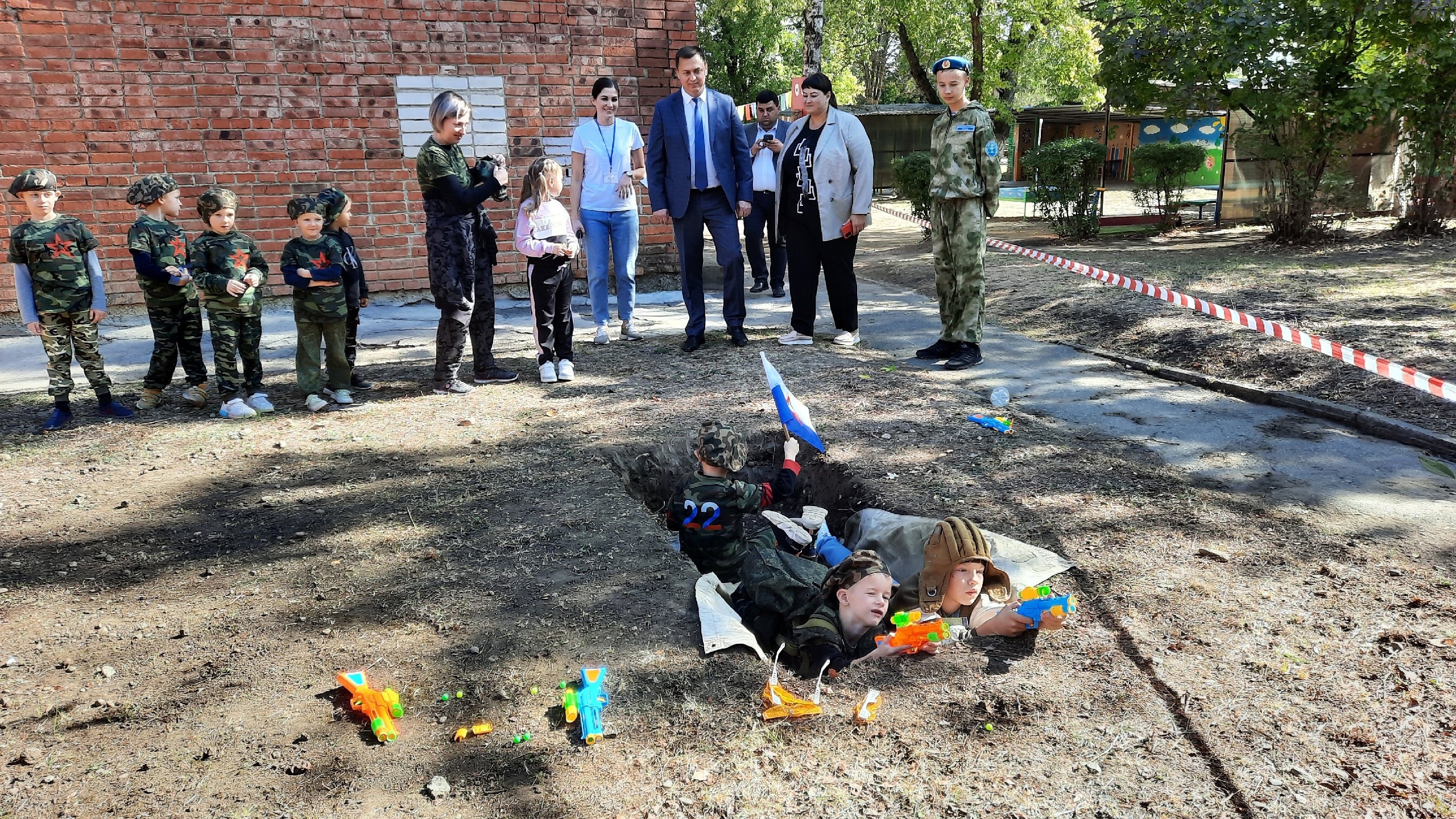
As an example, the guide presents a person “holding a gun”:
“We condemn a person who behaves like a drunk hooligan and harasses passersby, but we fully support that same person when he takes up a weapon to defend us and Russia.”
The “person of the future” and patriotism
The fourth section outlines seven value orientations of the “person of the future”:
Patriotism — love for the Motherland and responsibility for its fate;
Service — the moral foundation of a new elite;
Productive labor — self-realization within Russia;
Collectivism — rejection of the lone hero/individualist model;
Multinational identity — a source of strength and pride
Priority of traditional moral norms — intolerance toward extremism and sectarianism
Family values — the importance of family and children.
“Correct” books and cartoons
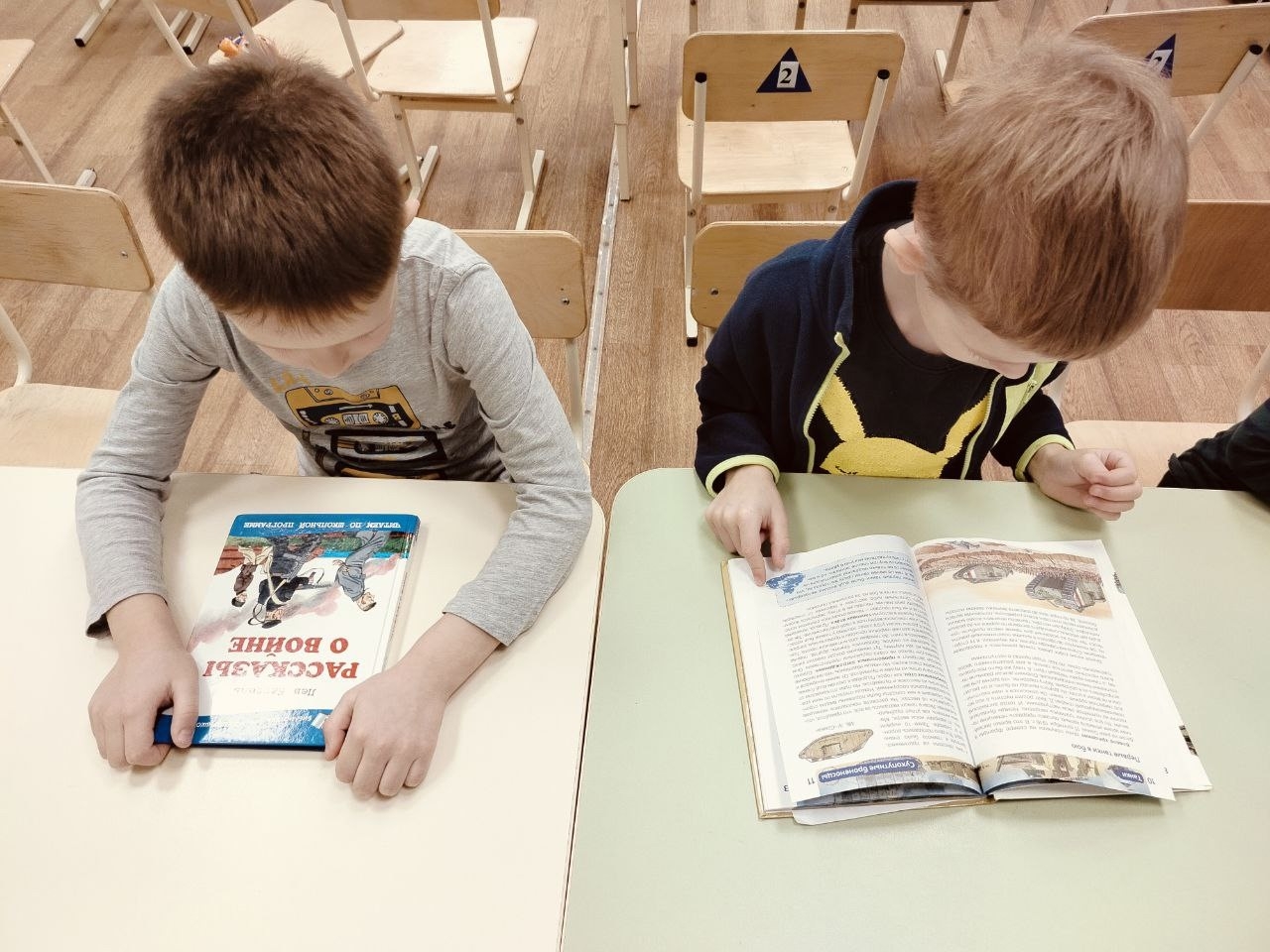
The fifth section provides a registry of recommended books, songs, films, and cartoons that effectively promote “traditional values.”
Educators are encouraged to evaluate materials using questions such as: Does this work instill pride in Russia? Does it highlight national achievements? Does it promote unity and patriotic ideas? Does it inspire actions for the benefit of the country?
17 “traditional values”
Appendix 1 lists 17 traditional values закрепленные presidential decree No. 809 (November 9, 2022), along with examples of cartoons that supposedly convey them.
For example:
Patriotism is to be taught through the cartoon “Three Bogatyrs.” Without it, children risk becoming indifferent to their country. Service to the Fatherland is illustrated through the cartoon “Luntik.”
Other values include productive labor, prioritizing the spiritual over the material, civic identity, moral ideals, historical memory, collectivism, and unity of Russia’s peoples.
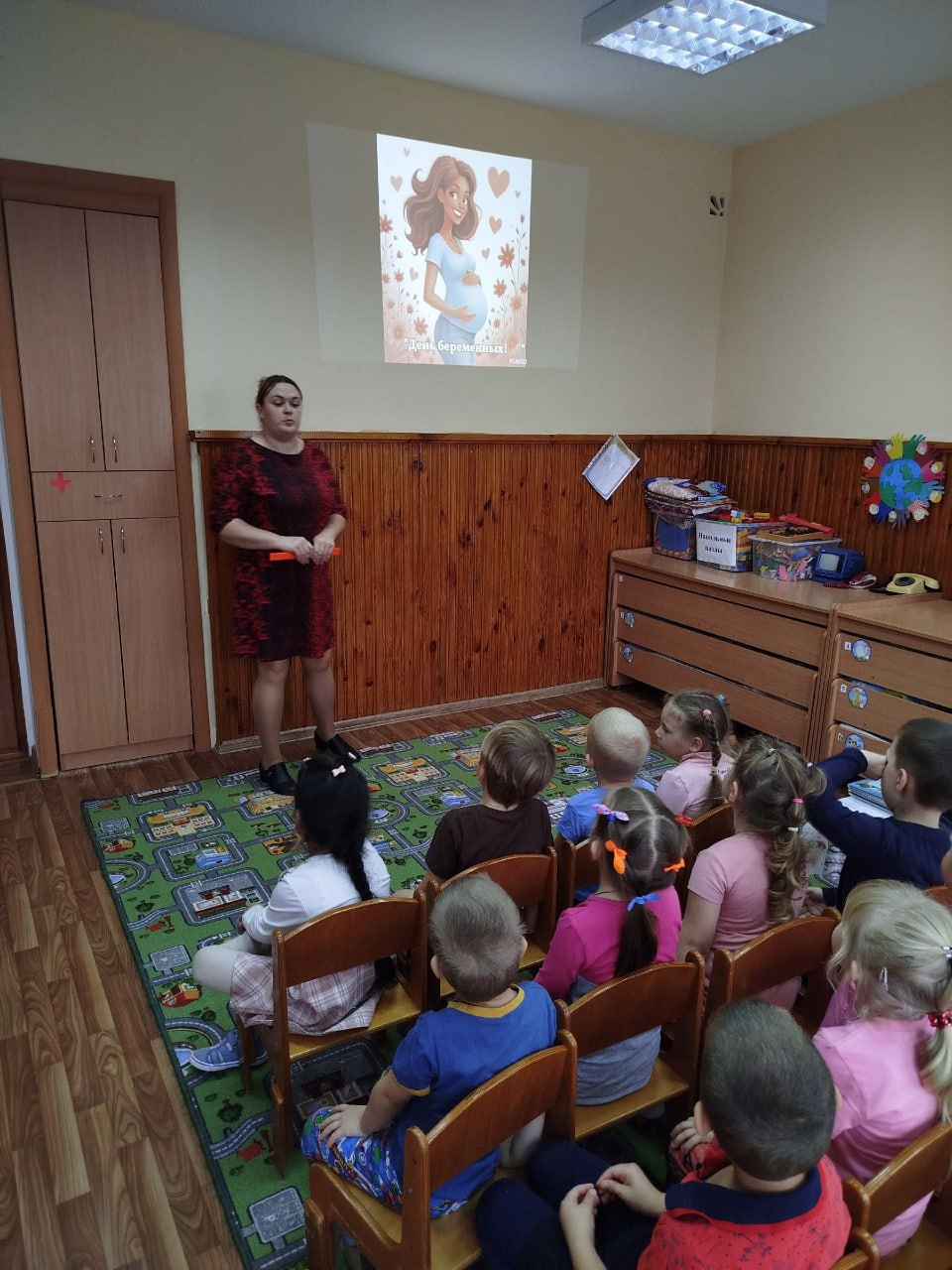
“My good deeds for the Motherland”
Appendices 2 and 3 provide a detailed monthly plan of activities for children aged 5–7. Each month focuses on selected values, implemented through games, discussions, and creative tasks.
Examples:
February — patriotism and civic identity
June — collectivism and unity
July — priority of the spiritual over the material
October — service and responsibility
Activities include discussions like “Heroes of Russia,” games such as “Defend the Fortress” and “Military Exercises,” writing letters to soldiers, and creating drawings and cards for veterans and active servicemen.
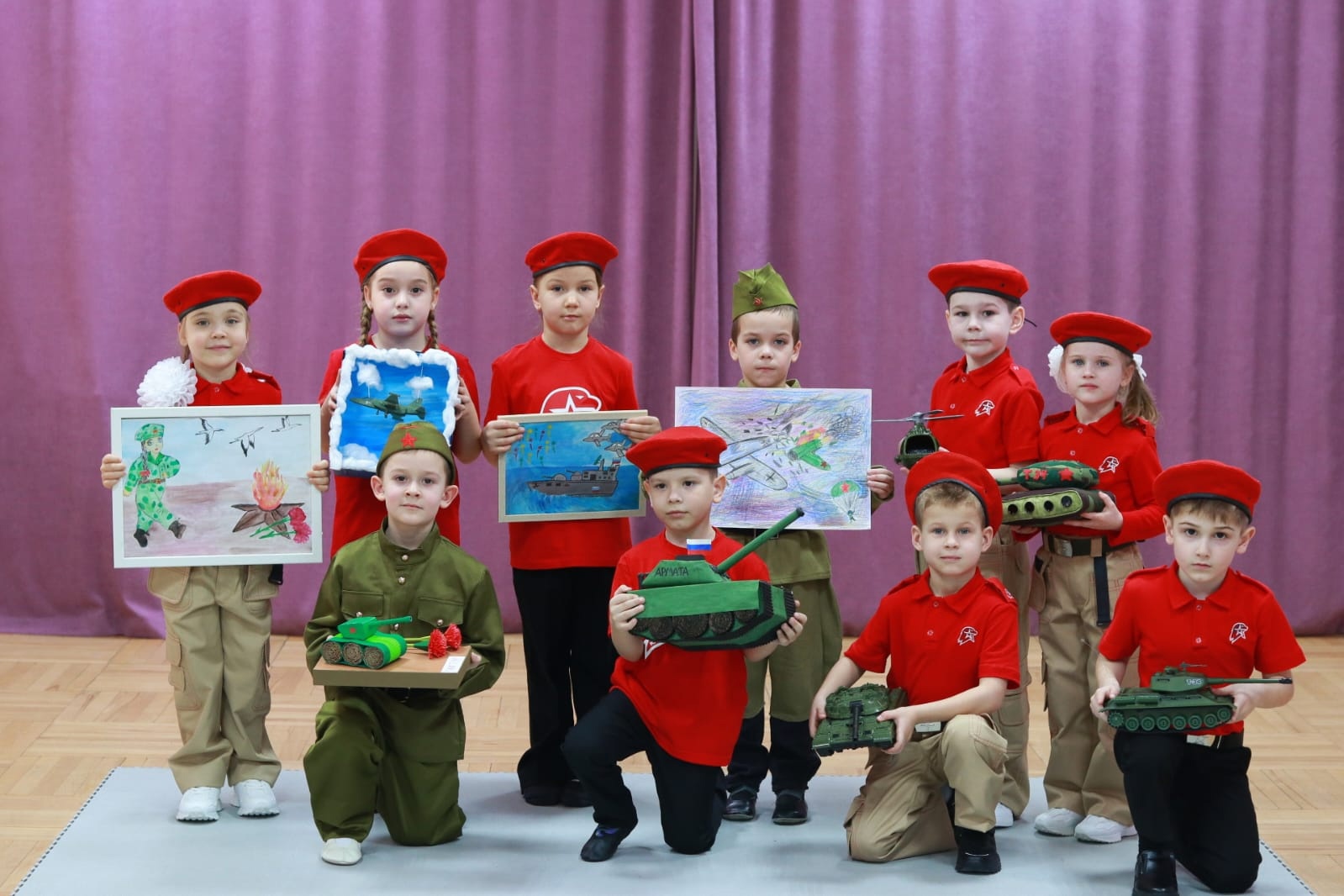
The “Guide for a Good Kindergarten Teacher” is not just a methodological manual. It is an example of how state ideology is systematically embedded into early childhood education, turning kindergartens into the first stage of ideological indoctrination.
Games, cartoons, conversations, and celebrations are used not to develop critical thinking or emotional well-being, but to instill a predefined model of loyalty — where patriotism, service, and militarization become the norm long before children even enter school.