Share
Share"You cannot live on this Earth for your own benefit"
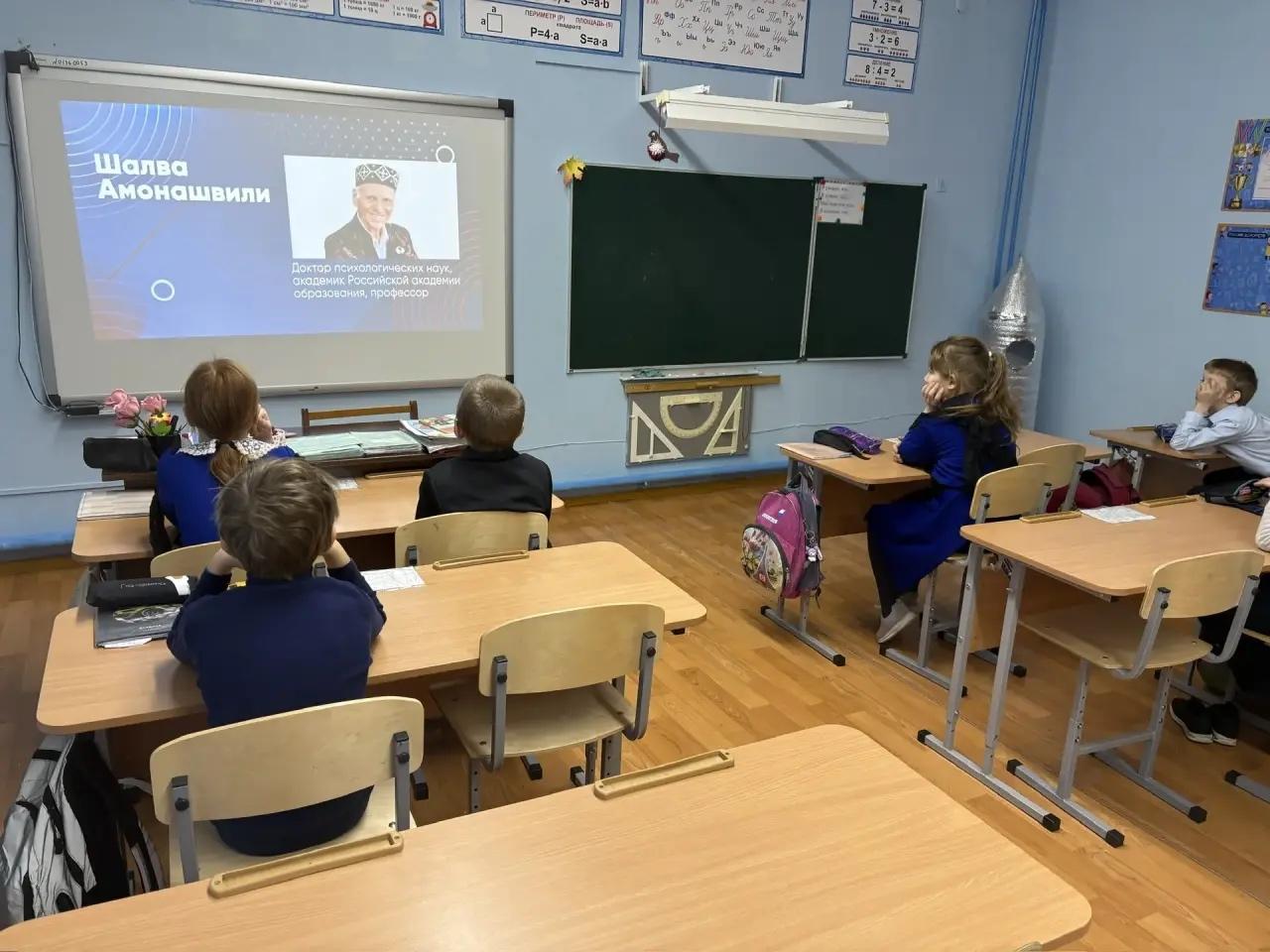
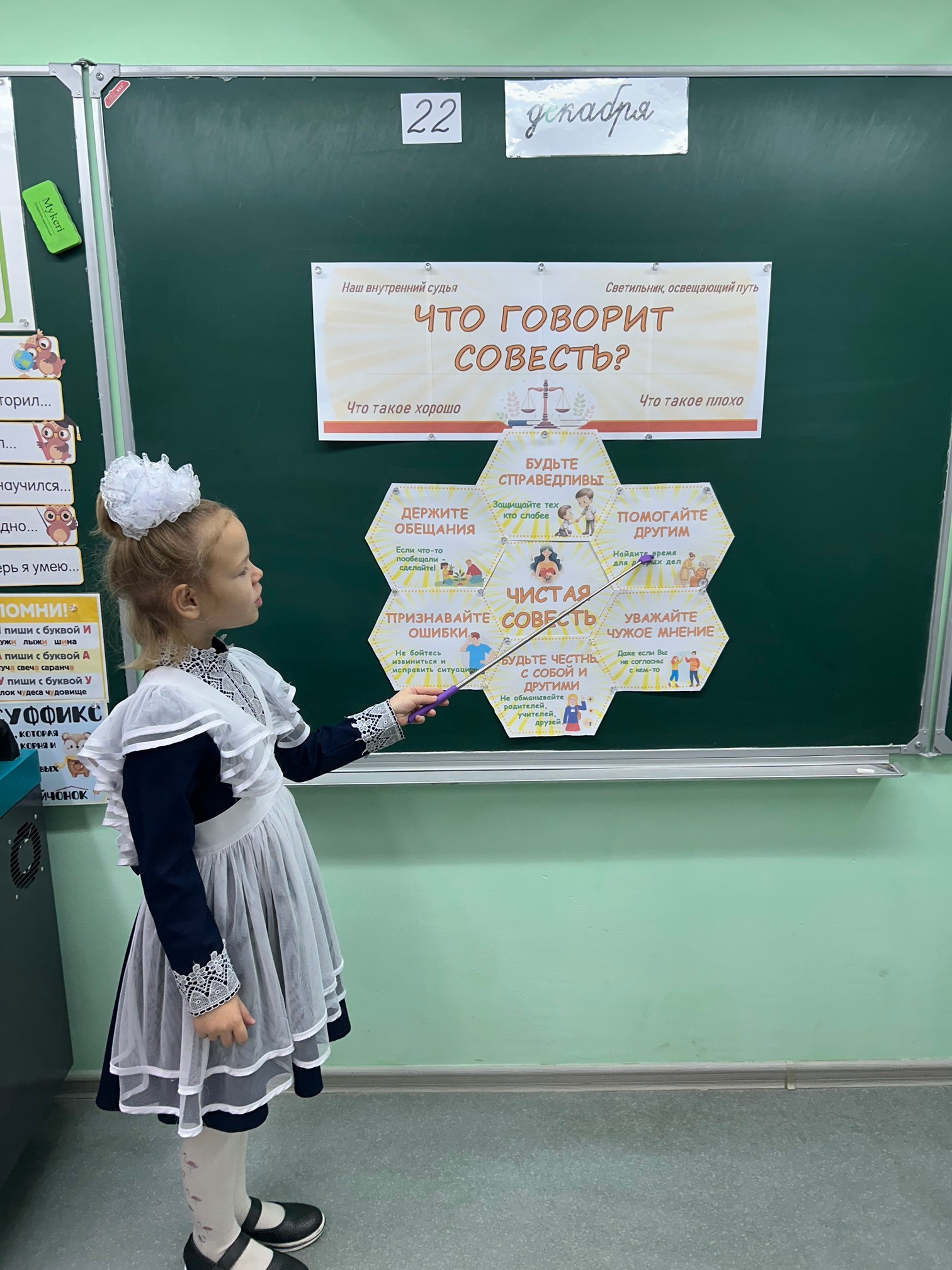
Today, Russian schools held the final "Conversations About Important Things" lesson before the New Year holidays, titled "What Does Conscience Say?" According to the official methodological guide, students were taught about the nature of conscience, making difficult choices, and the connection between conscience and justice. The values promoted during the lesson were named as patriotism and creative labor.
At the beginning of the class, teachers asked students to define the word "conscience" and choose from a list of terms shown in a presentation. The most commonly selected words included “Duty,” “Honor,” and “Responsibility.”

“Did you know that only in the Russian language does the word ‘conscience’ have such a broad and profound meaning? In our language, this concept is linked not only to moral choice but also to duty, honesty, mercy, and sincere repentance,” — reads the lesson script.
The lesson's goal, according to the authors, was to instill in children the idea that when most people act "according to conscience," society becomes one where “mutual respect, support, and justice prevail.”

Students watched an interview with Georgian teacher and psychologist Shalva Amonashvili, in which he reflects on conscience in the context of national development and spiritual values. He emphasized: “You cannot live on this Earth for your own benefit.”
“Russia is a country where spiritual values still survive: faith, hope, love — they’re still alive. That’s why we must turn to these spiritual values. If Russia is destined to bring about the revival of spirituality in the world, then when is the time to act?” — said Amonashvili.
To conclude the lesson, high schoolers were shown a clip from Nikita Mikhalkov’s propaganda show BesogonTV. The episode featured a Soviet-era social experiment in which schoolchildren were allegedly tested for moral strength — with most portrayed as “collectivists” who passed the test.