Share
Share"Russian Community" in Russian Schools
Yesterday, a tragedy occurred in the Moscow region: a 15‑year‑old teenager came to school with a knife, killed a 10‑year‑old child, and wounded three others. One of the main versions of the motive being considered is ethnic hatred. The largest nationalist, Islamophobic, and anti‑migrant organization in Russia is the “Russian Community” .
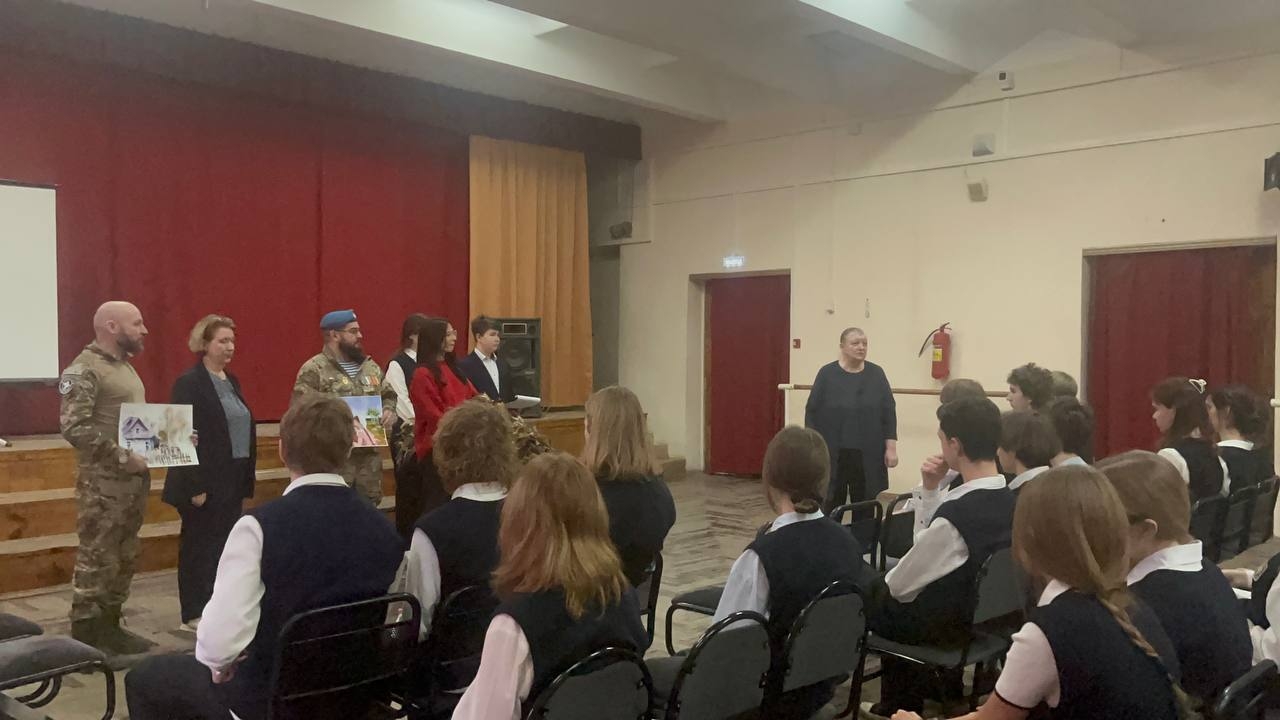
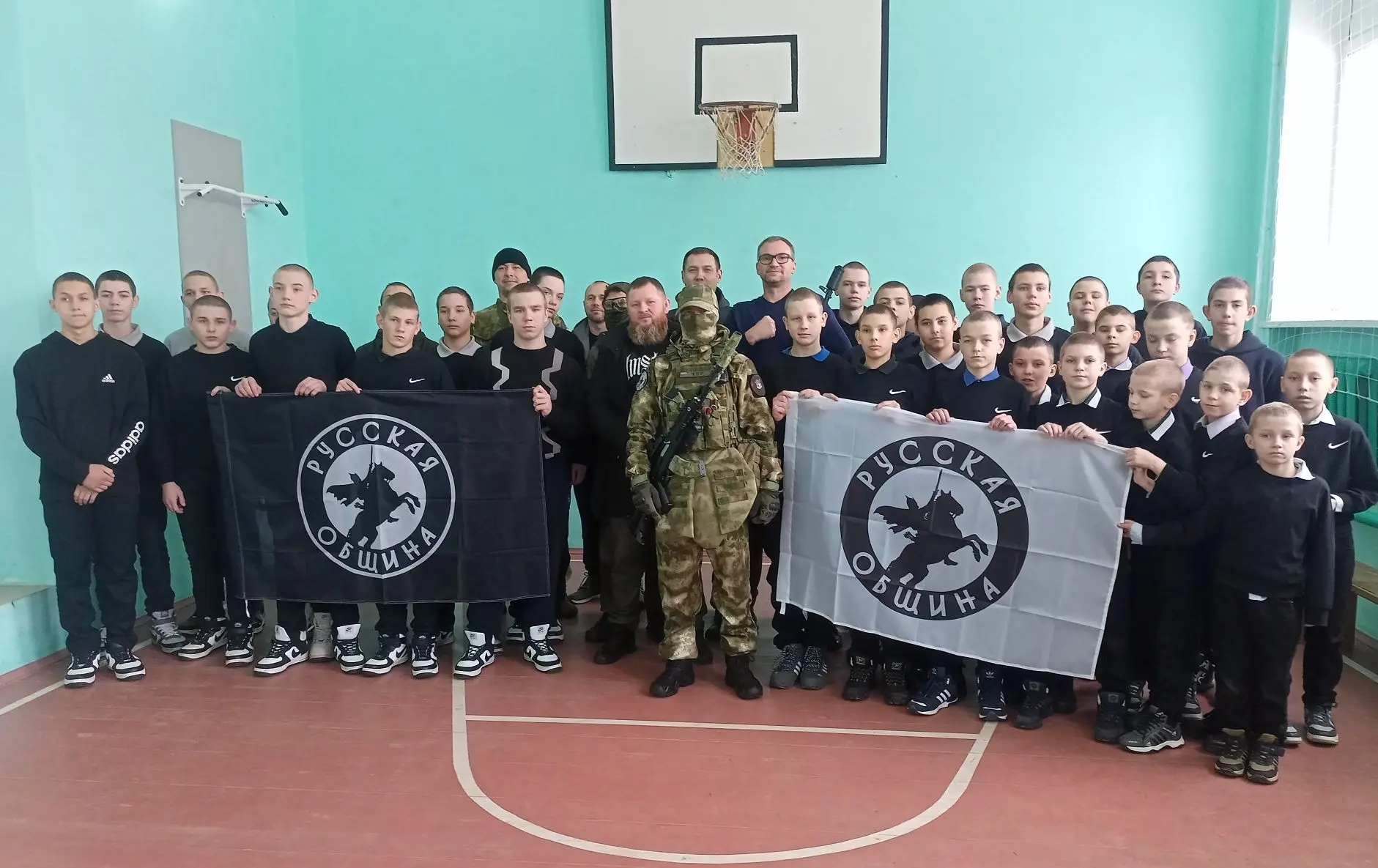
In just less than one month of December, representatives of the Russian Community held dozens of events in Russian schools — ranging from “lessons in courage” to military training courses and weapons demonstrations.
Here are just a few examples.
Tyumen Region
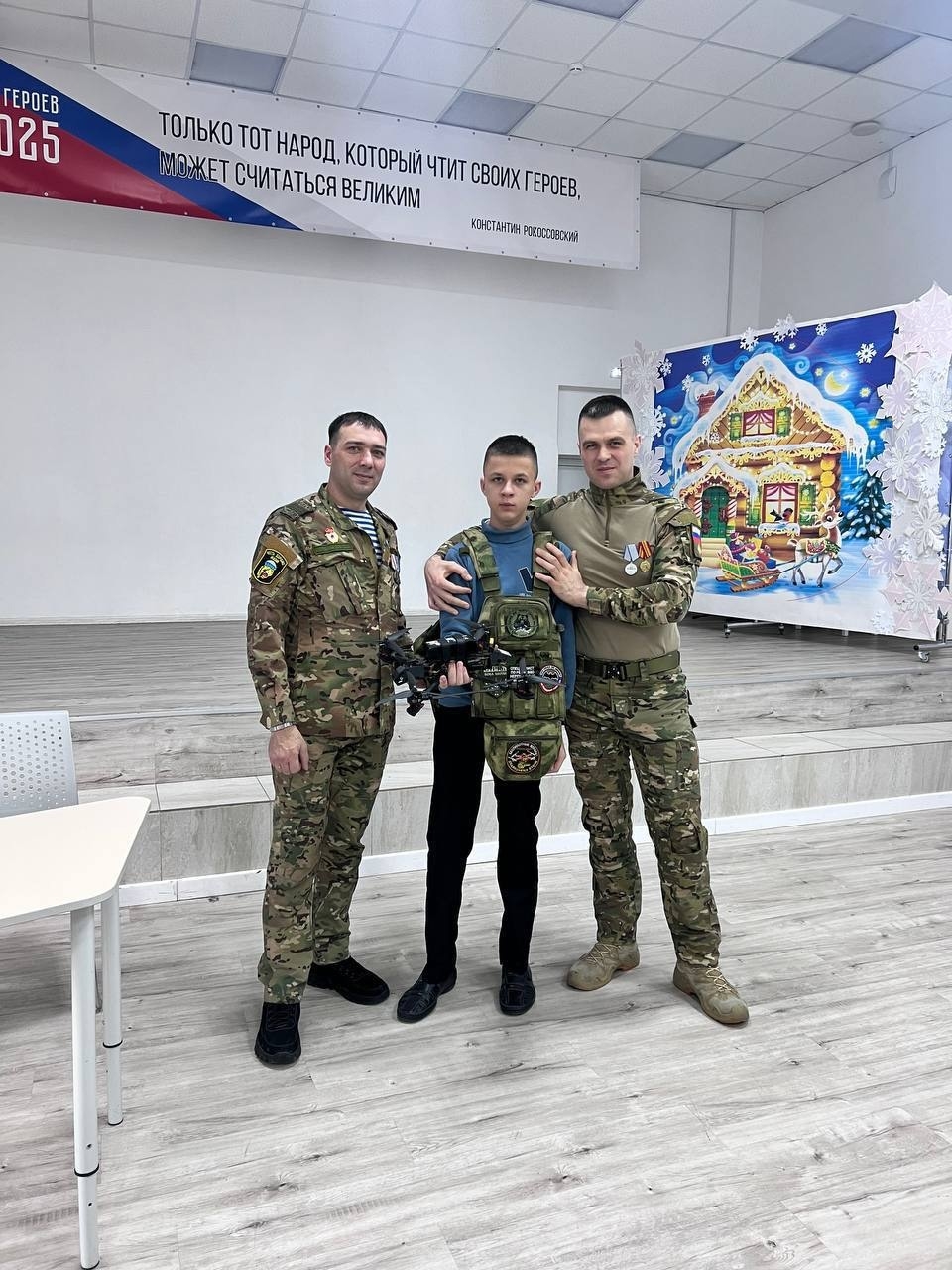
The Russian Community held several “lessons in courage.” During these sessions, participants of the war against Ukraine told students about themselves, showed military equipment, explained how drones work, and conducted first‑aid training.
Krasnodar Krai
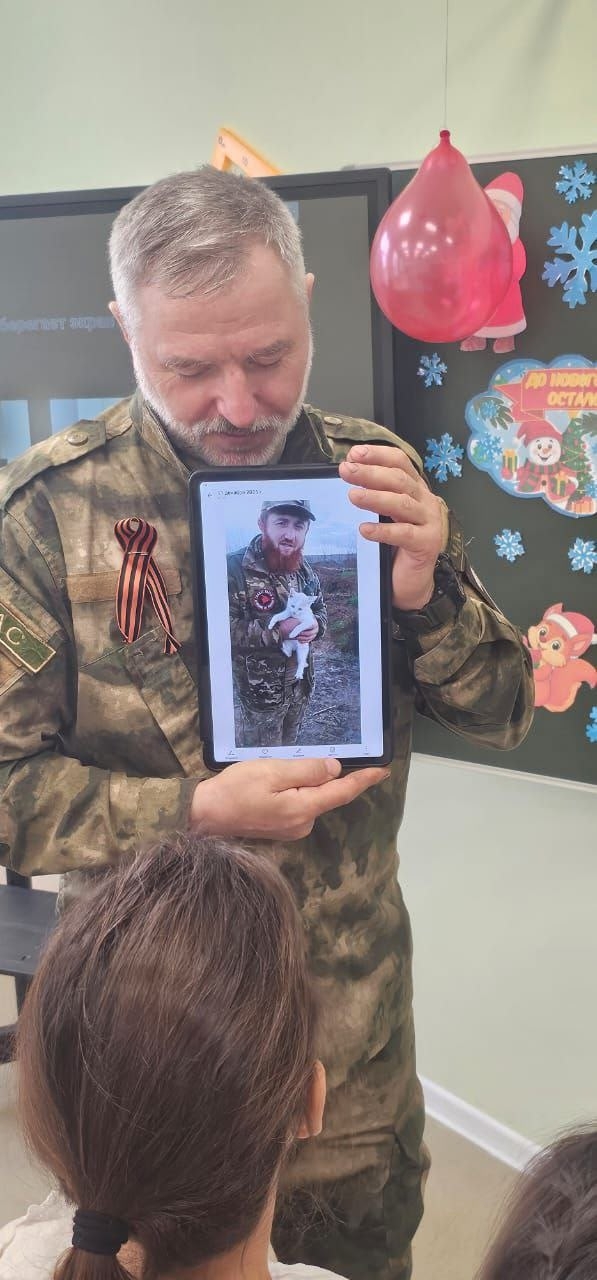
A representative of the Russian Community, a combatant known by the callsign “Chas,” was invited to School No. 4 in the city of Abinsk. He told students about the “valor of warriors,” his service in the “Bars‑1” unit, and demonstrated a medal “For Bravery.”
Perm Krai
The Russian Community organized tactical medicine classes for schoolchildren. The training was conducted by an instructor — a participant in the war in Ukraine. More than 30 people took part, including students from local schools.
Zabaykalsky Krai
At School No. 9, a “large‑scale patriotic event” was held with the participation of the Russian Community, veterans of the Wagner PMC, and the “airborne brotherhood.” Children were shown various types of weapons, took part in hands‑on workshops on their use, launched UAVs, and tried on military gear.
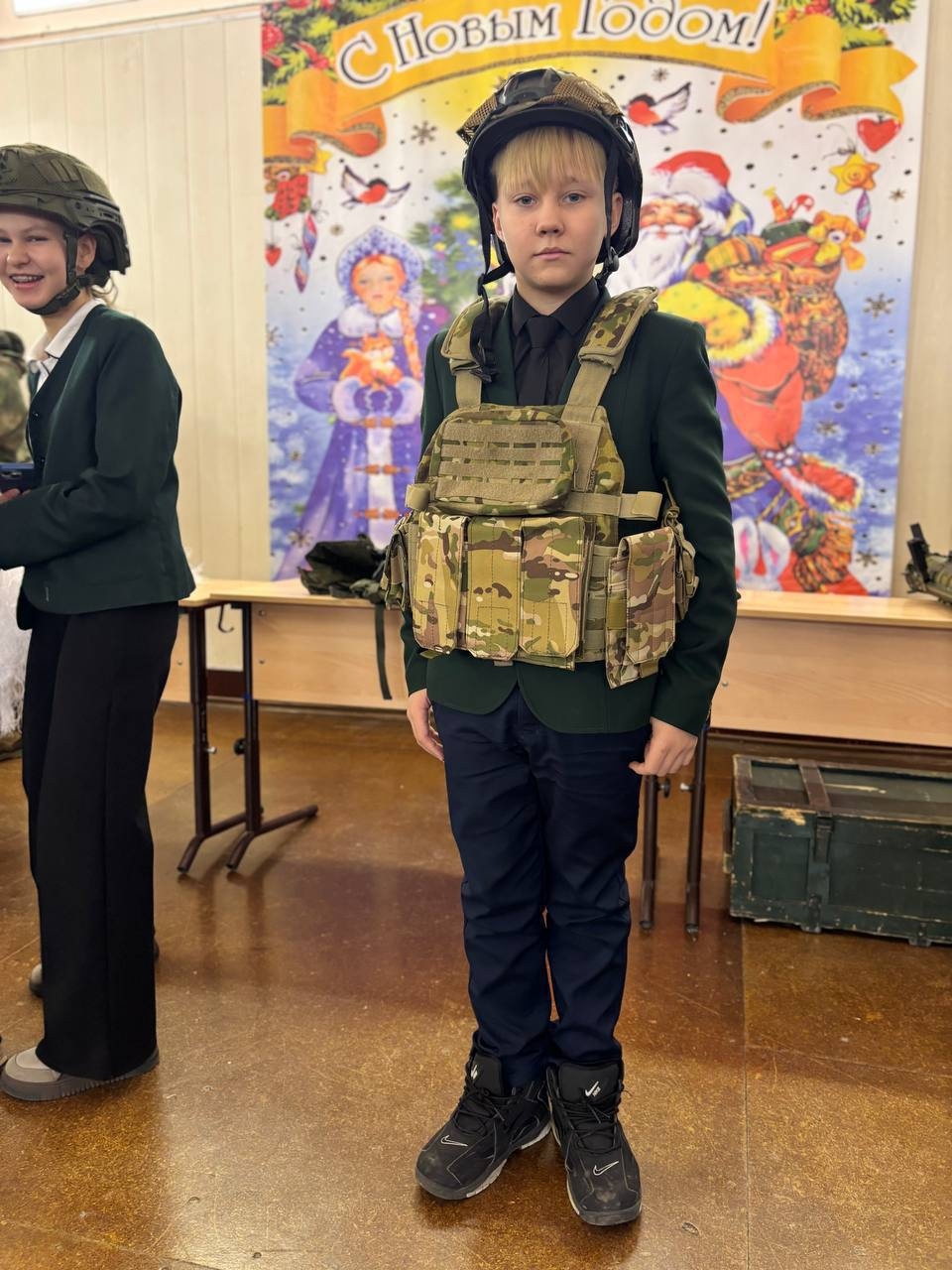
Sverdlovsk Region
Representatives of the Russian Community attended a school celebration for the Day of Heroes of the Fatherland. Students were told about the organization’s activities and the “importance of preserving historical memory and patriotic education.”
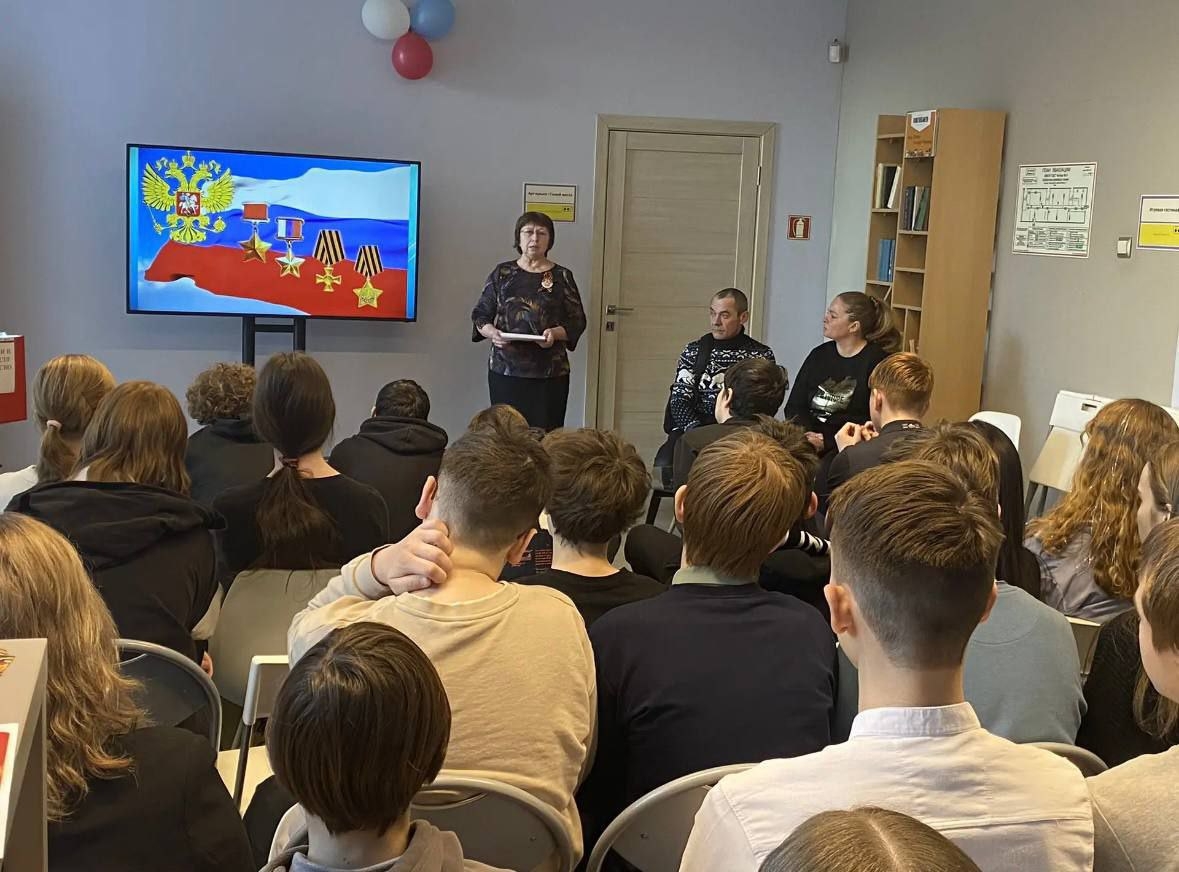
Saratov Region
The Russian Community held a meeting with students in grades 2–9 at a special school. The event began with a prayer service and took place in the presence of the school principal. Children were shown and allowed to try on military uniforms, and some students said they wanted to seriously pursue basic military training “so that in the future they could join the army already possessing basic knowledge and skills.”
Rostov Region
At School No. 6 in the city of Salsk, veterans of the Russian Community conducted survival and military training classes, describing them as part of upbringing “in the spirit of patriotism and respect for the heroic past.”