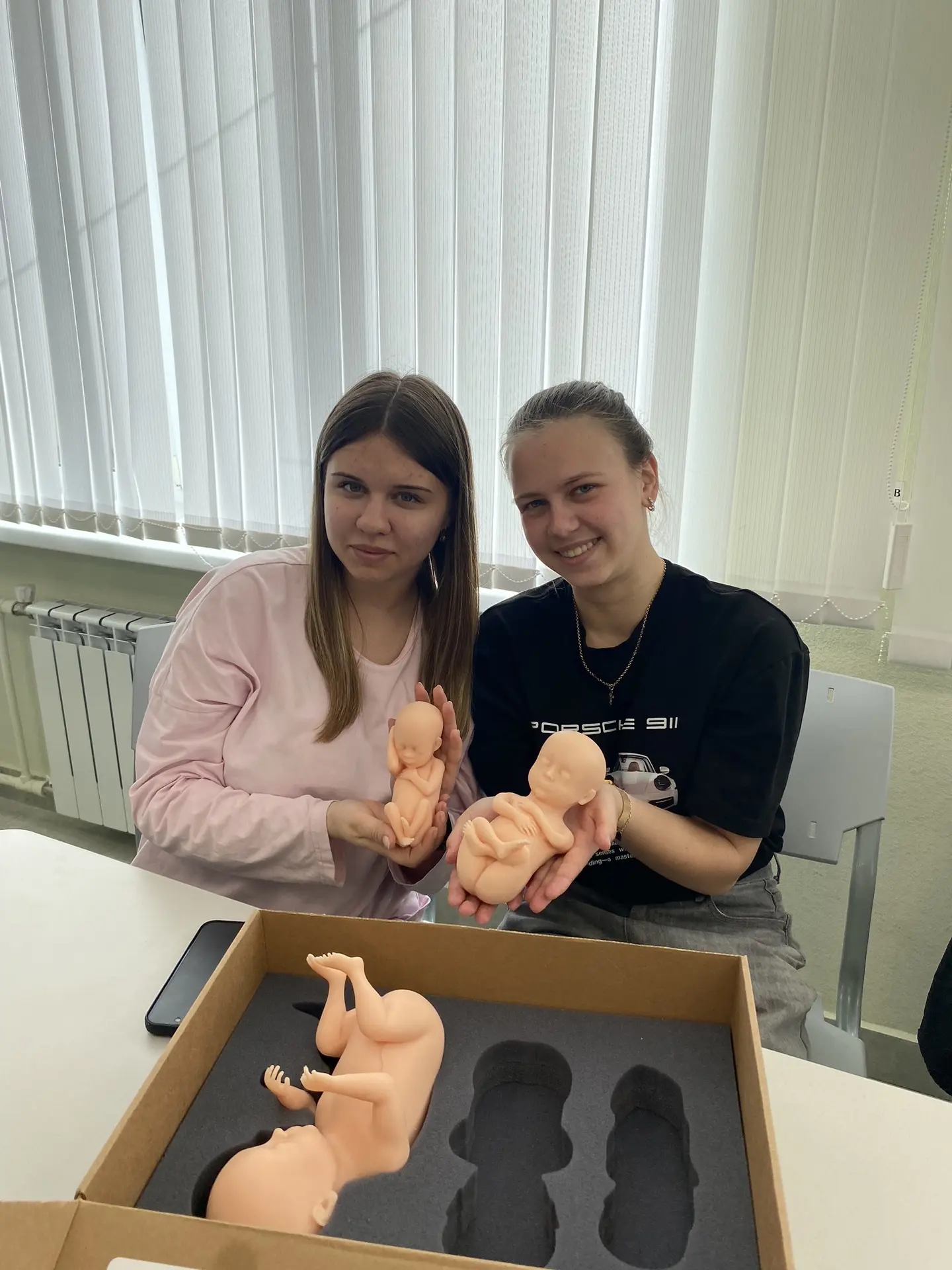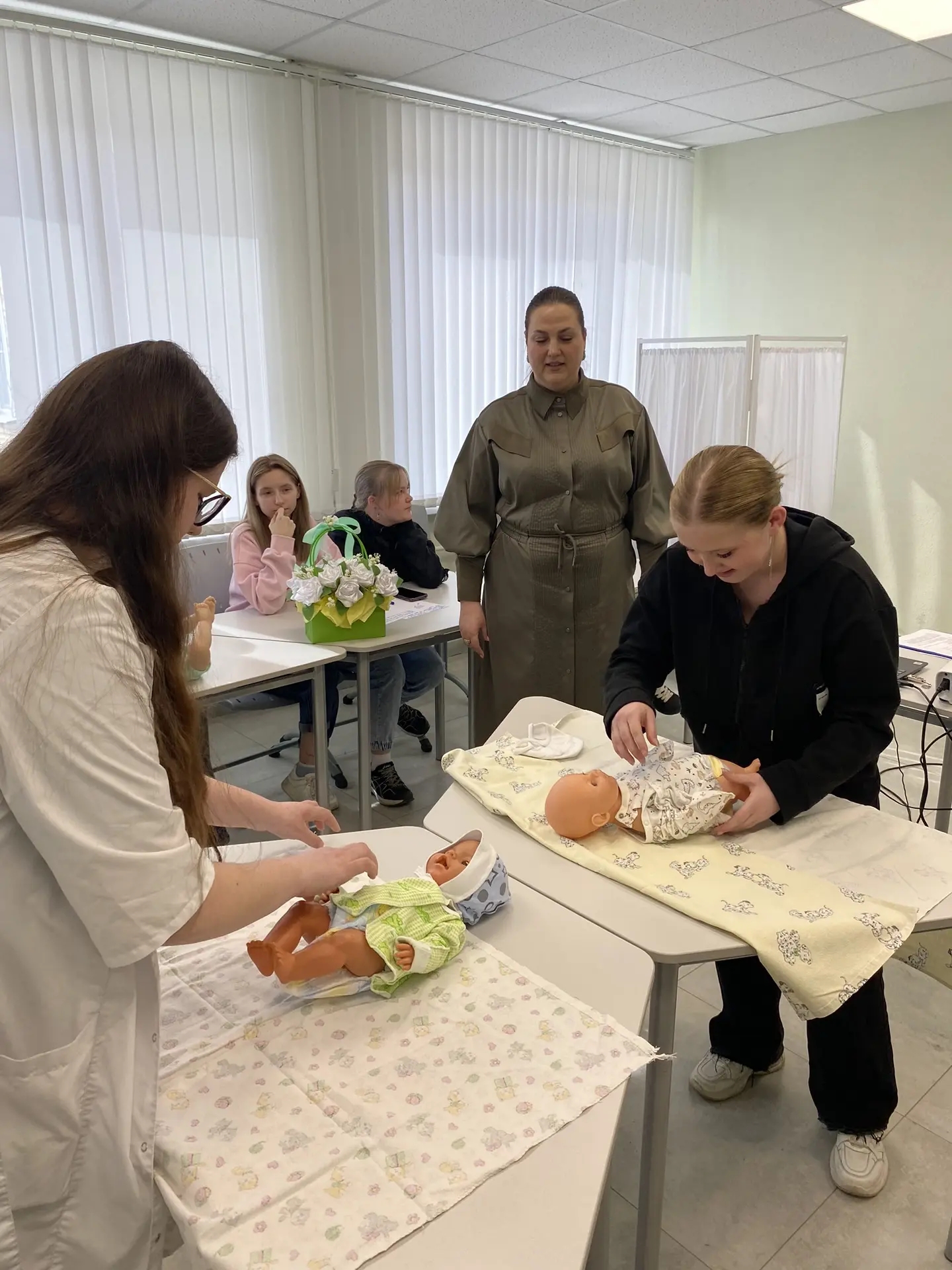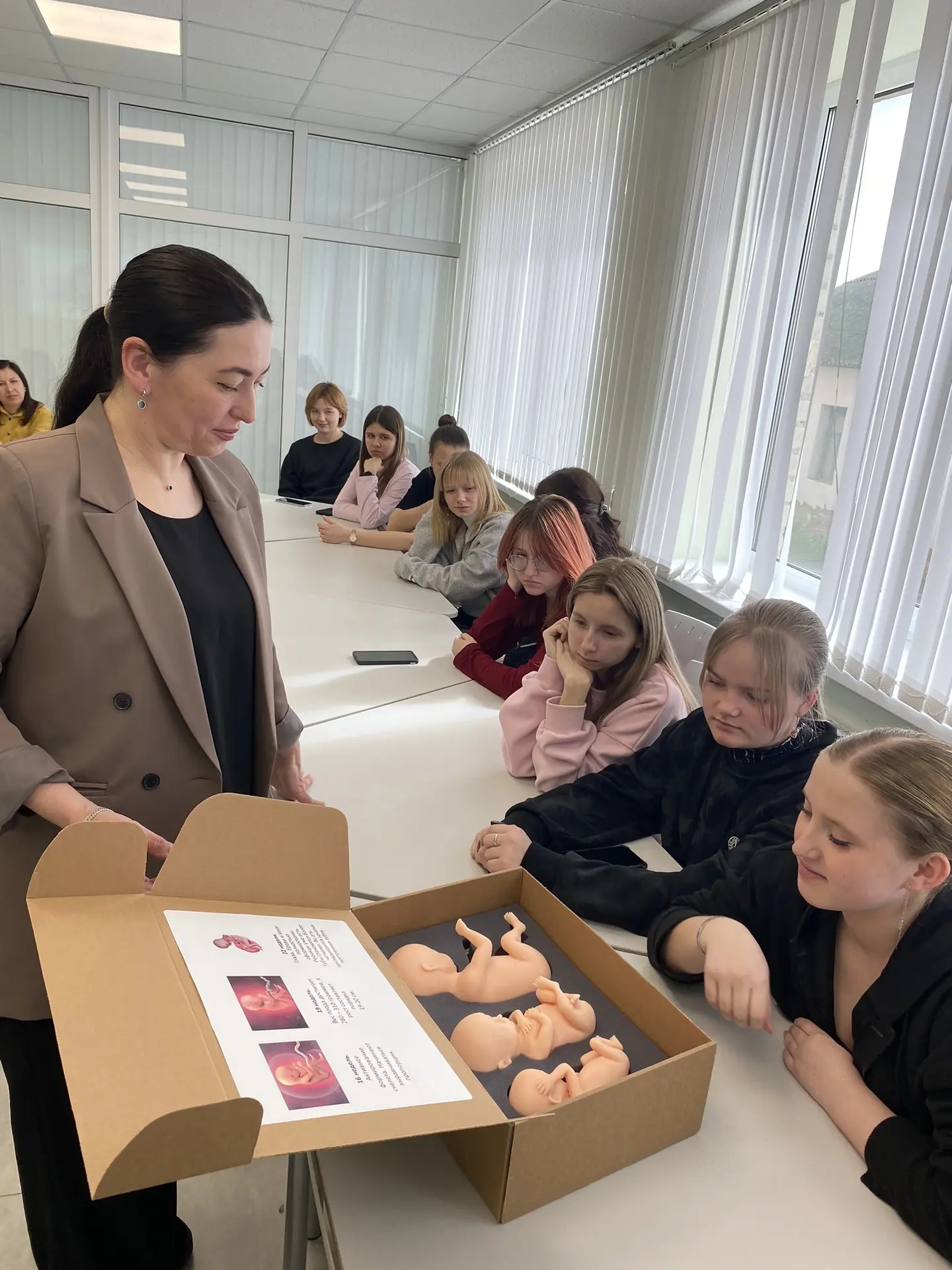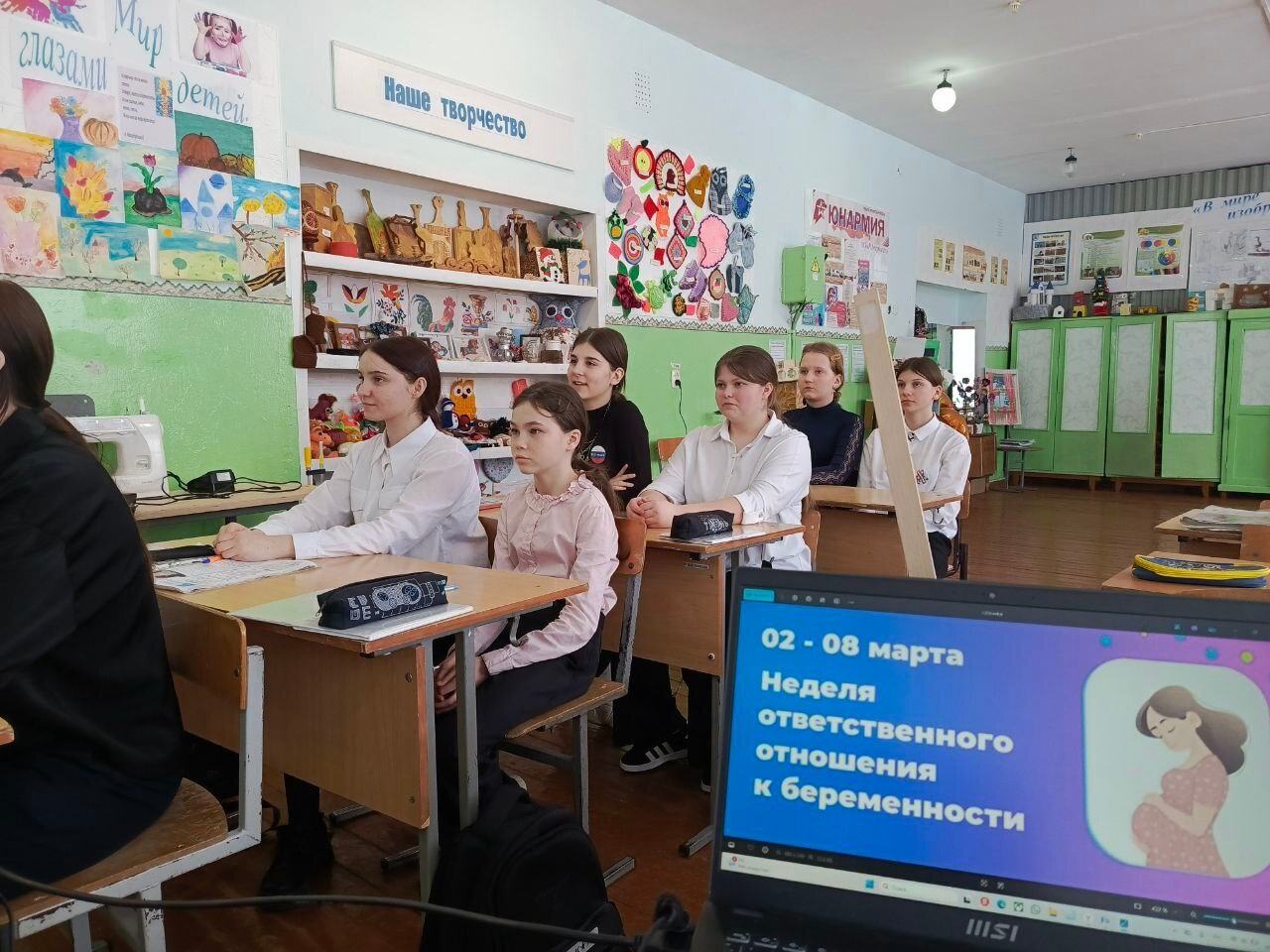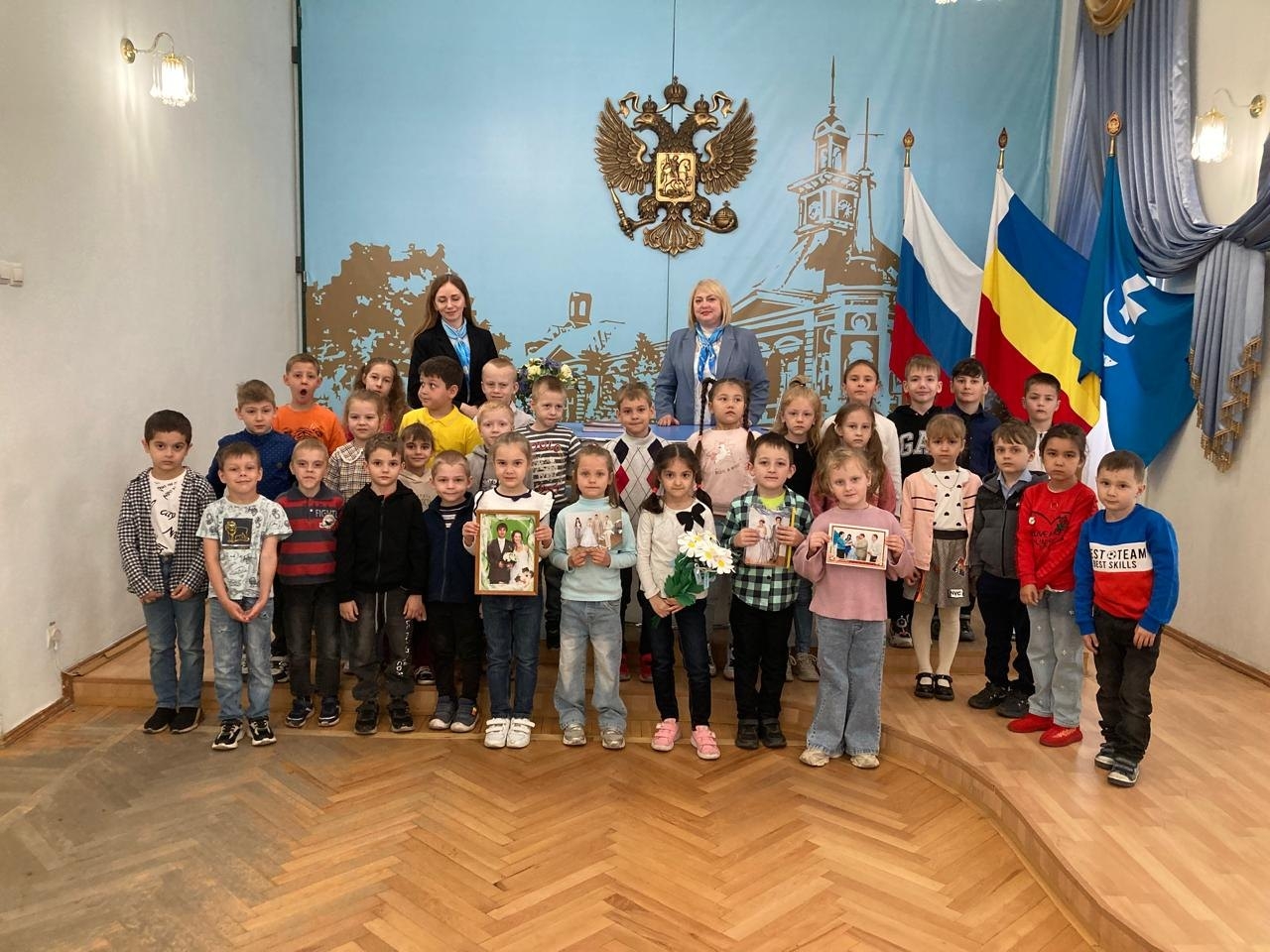
Events dedicated to “Pregnant Women’s Day,” marked on April 7, were held in hundreds of technical schools, colleges, and universities across Russia. Alongside the usual messaging that “pregnancy is the most tender and happiest time in a woman’s life,” students were explicitly encouraged to have children while still studying.
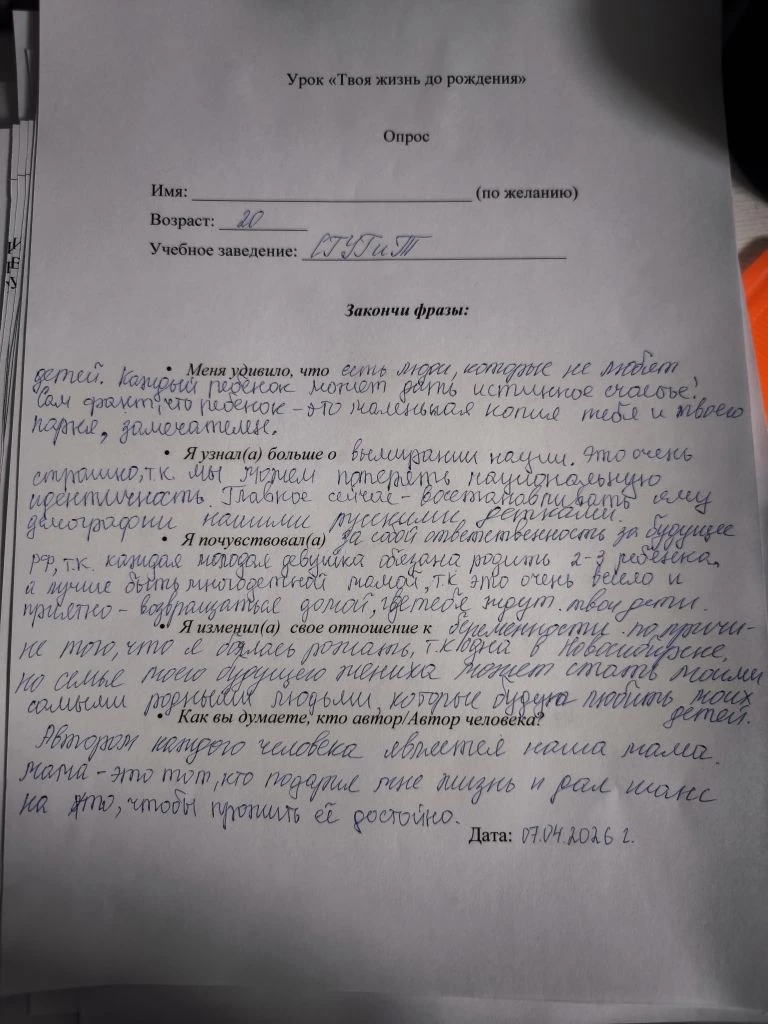
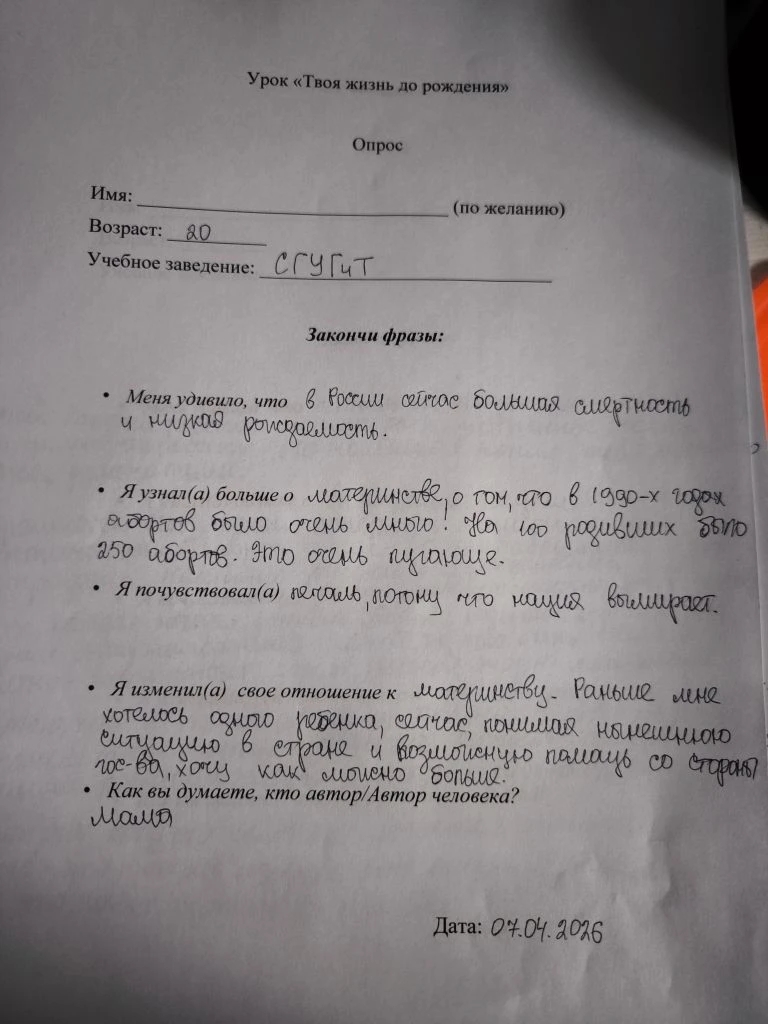
At SGUGiT, students were directly told that there is no need to choose between education and family — that “it is both possible and necessary to combine them.” The discussion was framed around the demographic crisis, “traditional values,” and the importance of motherhood. After the event, students wrote in a survey that “every young woman is obliged to have 2–3 children.”
“The main task now is to restore the demographic decline with our Russian children,” — one student wrote in the survey.
At Chuvash State University, a roundtable on the “opportunities of a young family” featured speeches by mothers of many children and discussions about the need to “debunk the myth” that studies and motherhood are incompatible.
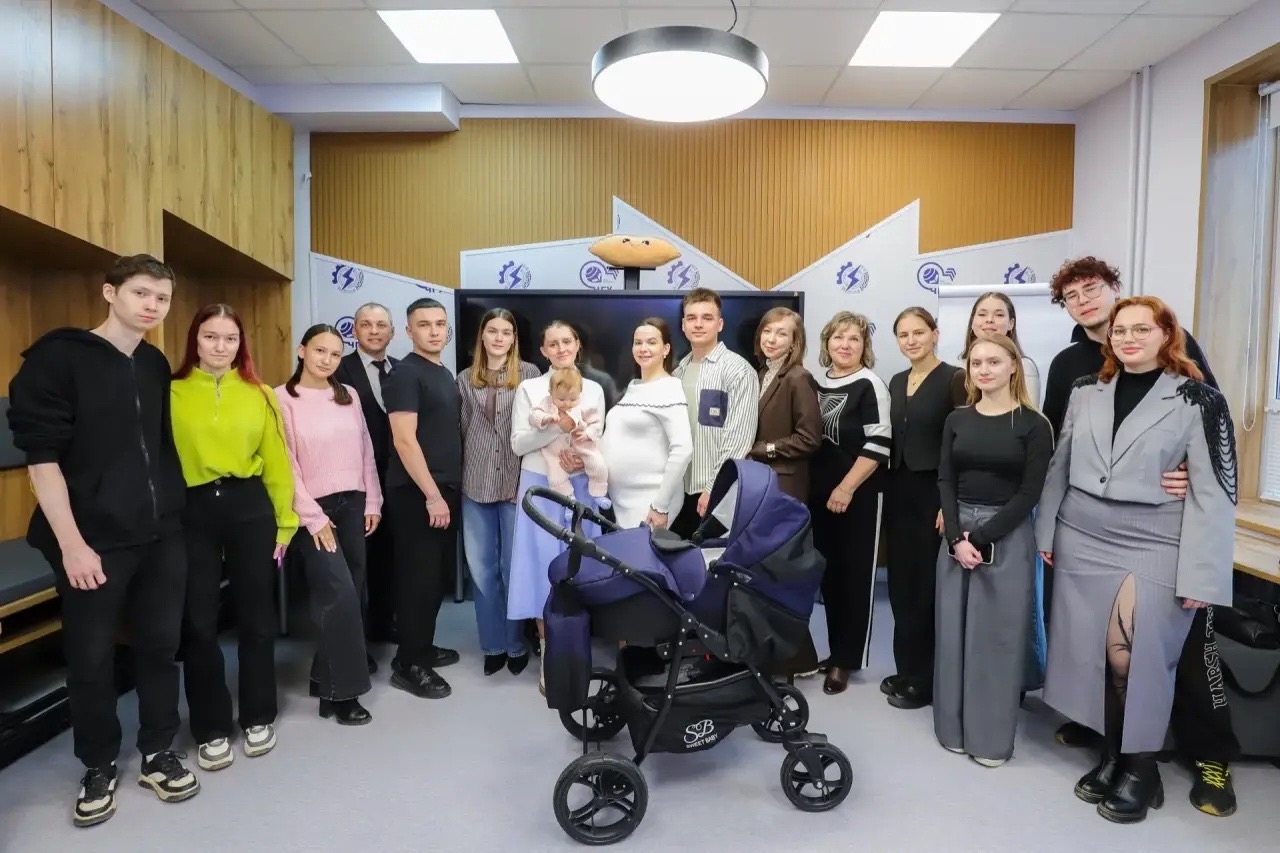
In colleges in Rzhev and Tambov, students were told about “the happiness of being a mother,” the “purpose of a woman,” and how to “balance” studies and raising a child. They were also informed about benefits and payments available if they have children during their education.
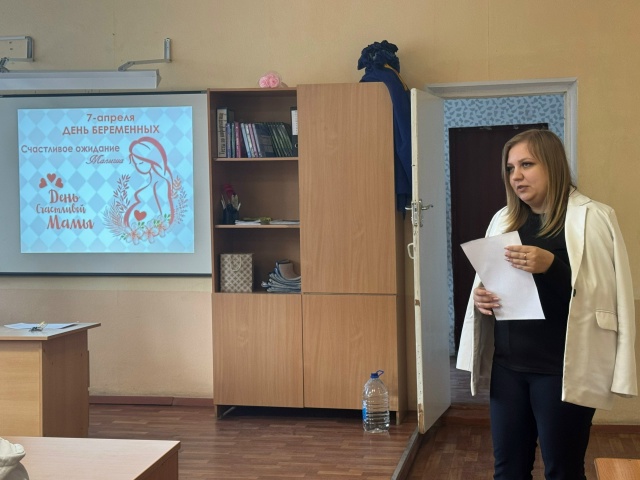
At a technical college in Omsk, an event titled “When motherhood and studies come together” featured three female students who had “chosen to take on two important roles at once: mother and student.”
“We sincerely congratulated these brave women, because being a mother and studying is not easy, but they have proven that everything is possible!” — Omsk Technical College.
At a technical college in Voronezh, students wrote letters from the perspective of an unborn child, watched a film about fetal development (The Miracle of Birth), and practiced swaddling dolls.

In Perm Krai, students were congratulated on their “future motherhood” and wished that their “diploma and their child’s first tooth would appear almost at the same time.”
Authorities and administrations place particular emphasis on the financial aspect — informing students about benefits, regional payments, and even citing examples of students who became pregnant during their studies and could receive more than one million rubles in support.
The message conveyed to students is consistent: they should have children now — education is not a reason to postpone it.