Drone lessons in kindergarten, contract army recruitment inside schools, the letter Z as a “vibe of history,” a new course on “how to love the Motherland,” and special schools for “bad behavior” — here’s what stood out this week in Russian education.
📌 Drone operation lessons for preschoolers
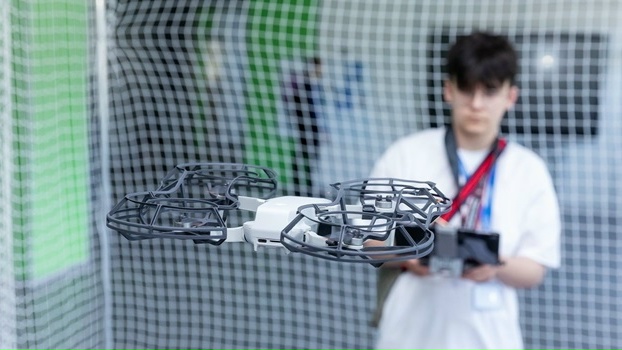
In a kindergarten in the Belgorod region, preschool children were shown how to operate drones using controllers, VR headsets, and simulators. The session was organized by the military training center “VOIN.” According to the report, each child was able to “feel like a drone operator” and gain basic engineering skills.
📌 Schoolchildren introduced to contract military service
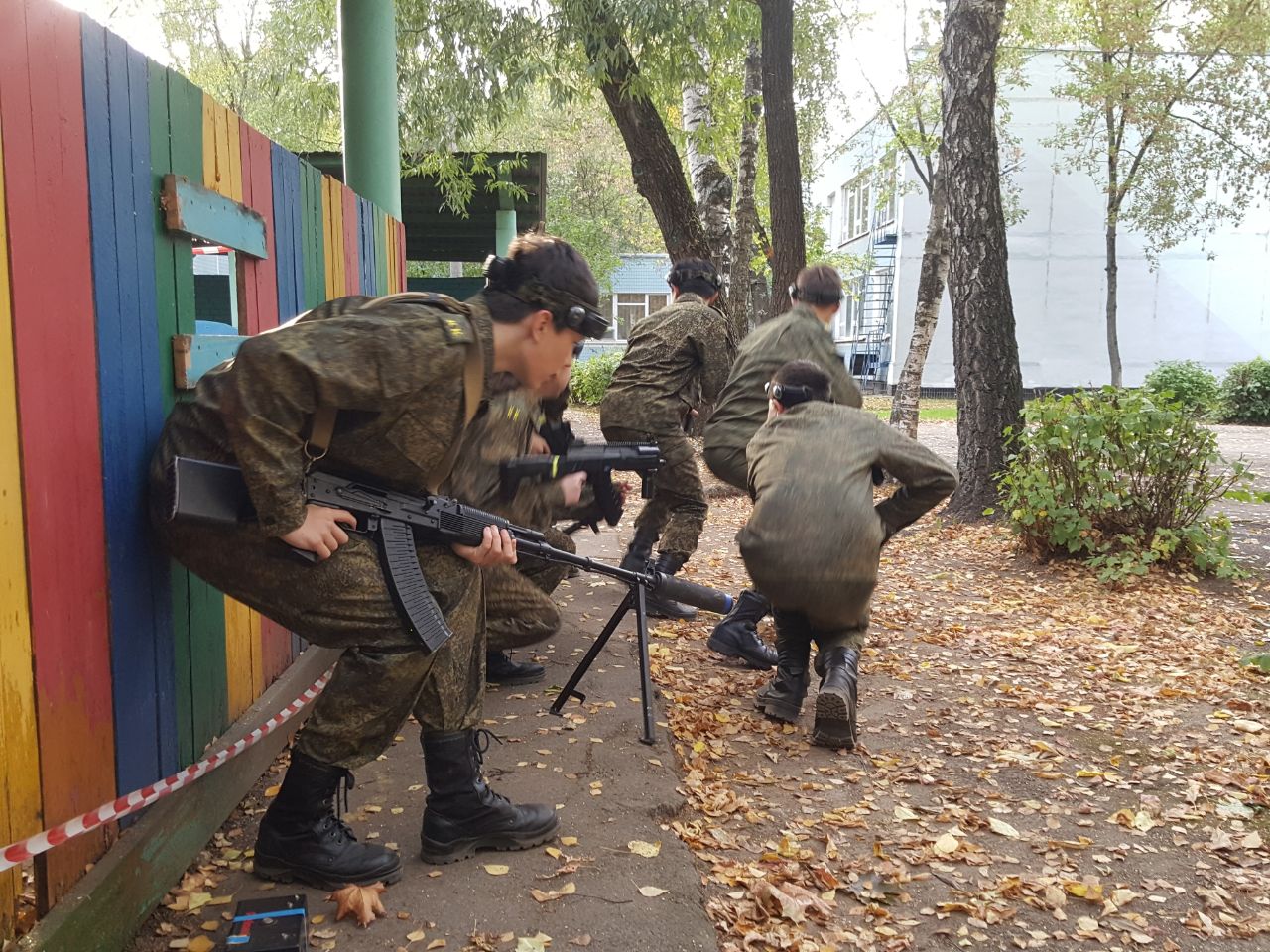
At a gymnasium in the city of Artyom, a military serviceman delivered a presentation titled “There Is Such a Profession — Defending the Motherland.” According to students, the school also displayed stands with the “correct” version of events from 2014 and 2022, and placed leaflets in hallways promoting contract service and enrollment in military training centers.
📌 “Feel” the letter Z
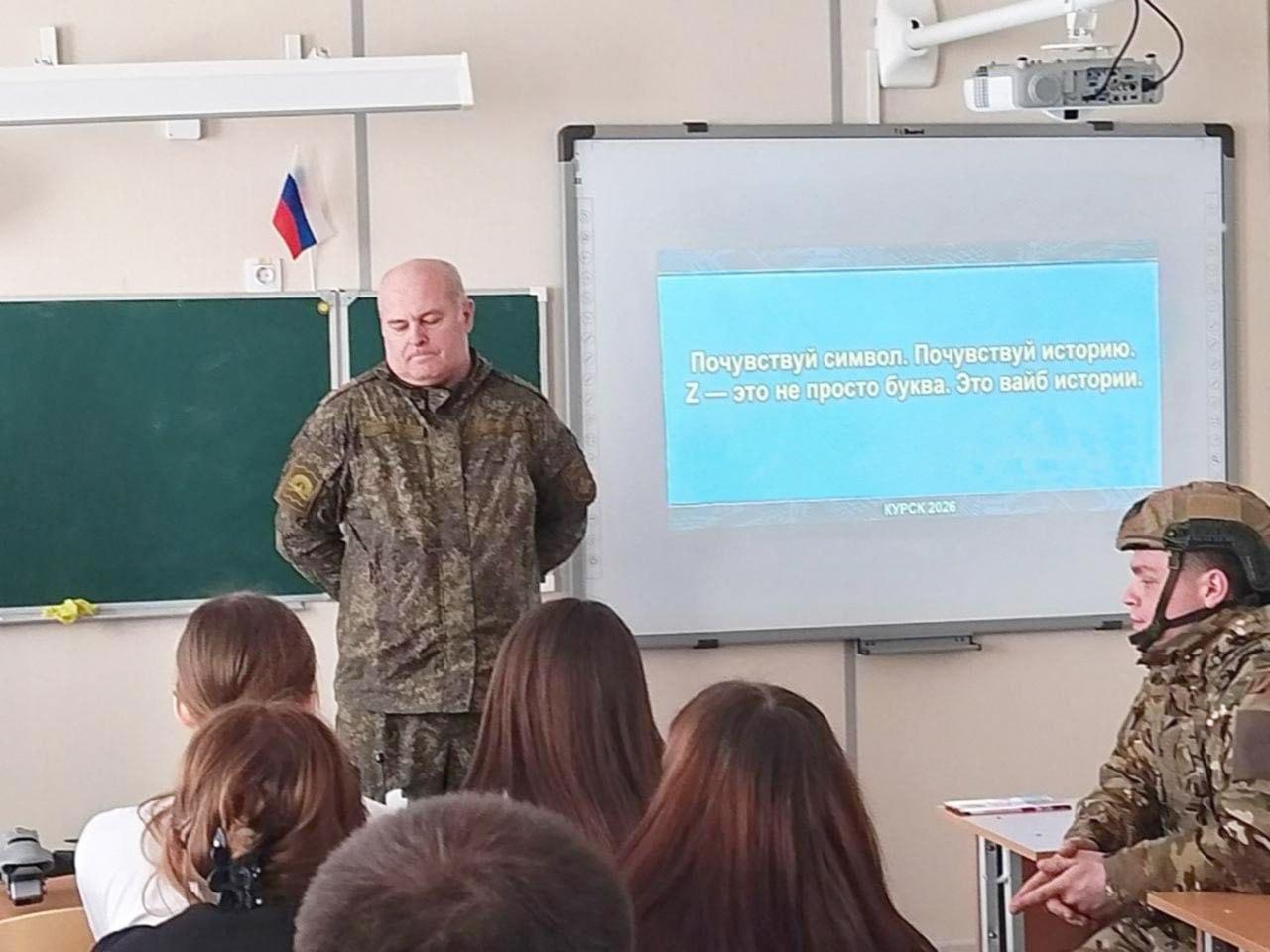
At a gymnasium in Zheleznogorsk, students were asked to experience the so-called “vibe of history” during a lesson. Two men in “military-style” uniforms showed children a slogan: “Feel the symbol. Feel the history. Z is not just a letter. It’s the vibe of history.”
📌 New “patriotic” course for younger students
Starting September 1, schools will introduce an extracurricular course titled “My Family” for grades 1–4. Children will be taught “how to love their fellow citizens and the Motherland,” as well as traditional spiritual and moral values and family relationships. The Ministry of Education claims the course will not be mandatory and schools may adopt it voluntarily.
📌 Special schools for “bad behavior”
A draft law has been submitted to the State Duma that would allow schools to transfer students aged 11–18 to specialized institutions for repeated disciplinary violations. The authors say the measure will affect only a small group of children but will have a broader disciplinary impact. In their view, schools currently lack sufficient tools to manage students under the age of 15.